Bai Chay
Bai Chay
Bai Chay is Ha Long's beach district, a logistics hub for exploring the UNESCO-listed bay. Beach, cable car, cable-stayed bridge and night market.
Bai Chay is the beach resort of Ha Long city, on the western shore of Cua Luc Strait, in Quang Ninh province. The district serves as a logistics base for most visitors exploring Ha Long Bay, inscribed on the UNESCO World Heritage list. A developed beach, seafront promenade, cable car and major hotel complexes make it a convenient base before or after a cruise.
Why visit Bai Chay
Bai Chay concentrates Ha Long's accommodation, dining and tourist services. The sandy beach, stretching several hundred metres, was redeveloped with imported sand in the 2000s. It remains very popular with Vietnamese travellers in summer, but its primary tourist function is to serve as an embarkation point for junks sailing the bay. If you're primarily seeking pristine beaches, Bai Chay may disappoint; however, the resort offers convenient logistics for combining city life, swimming and sea excursions.
History and origin of the name
Bai Chay means "burnt beach" in Vietnamese. Two accounts explain this name. The first dates back to the 13th century: under the command of Tran Khanh Du, Vietnamese troops reportedly set fire to Mongol ships carrying supplies, and a north-east wind spread the flames to the dry forest on the western shore of Cua Luc Bay. The second version, more prosaic, tells that fishermen burned Casuarinaceae leaves (she-oak) on the western side of Cua Luc to clean their boat hulls of encrusted shells. The regular flames reportedly left a lasting impression on local memory.
During the French colonial period, the area was known as Vatchay, or "isle of shrubs". The district took on its present character only from the 1990s onwards, with the rise of tourism around Ha Long Bay.
What to see and do
The beach and promenade
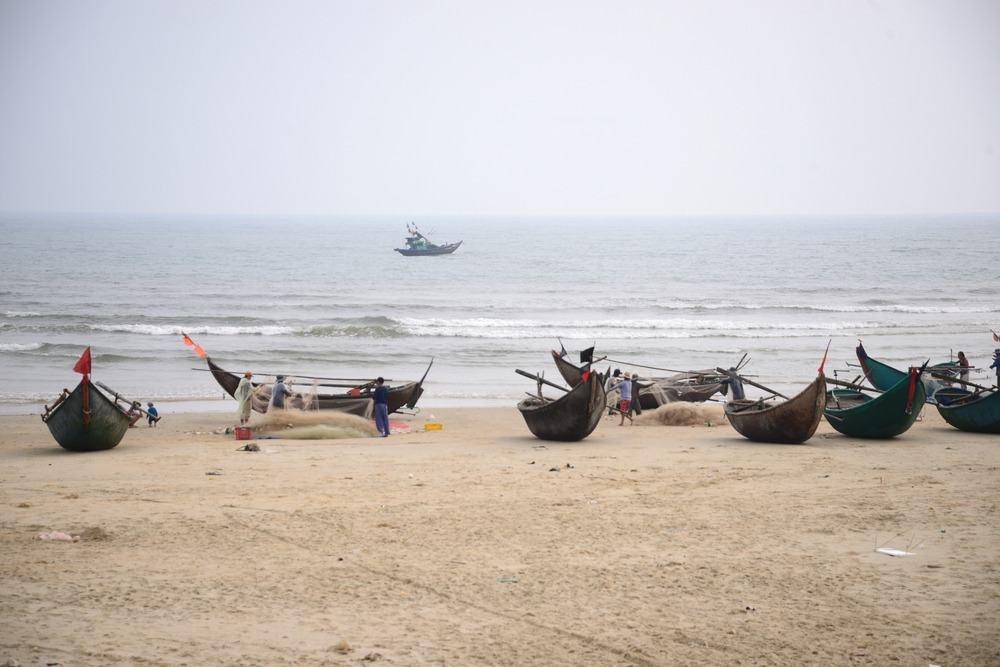
Bai Chay beach is open to the public, with no entrance fee for swimming. It suits families: gentle slope, shallow water near the shore. Water quality varies with visitor numbers and conditions; it's best to avoid peak days in August. The seafront promenade is pleasant in the late afternoon.
The Queen Cable Car and Sun World
The Queen Cable Car links Bai Chay to Ba Deo hill on the Hon Gai side. Two-storey cabins offer panoramic views over Ha Long Bay and Bai Chay Bridge. At the top, Sun World park features a Ferris wheel, Japanese garden and water park.
Bai Chay Bridge
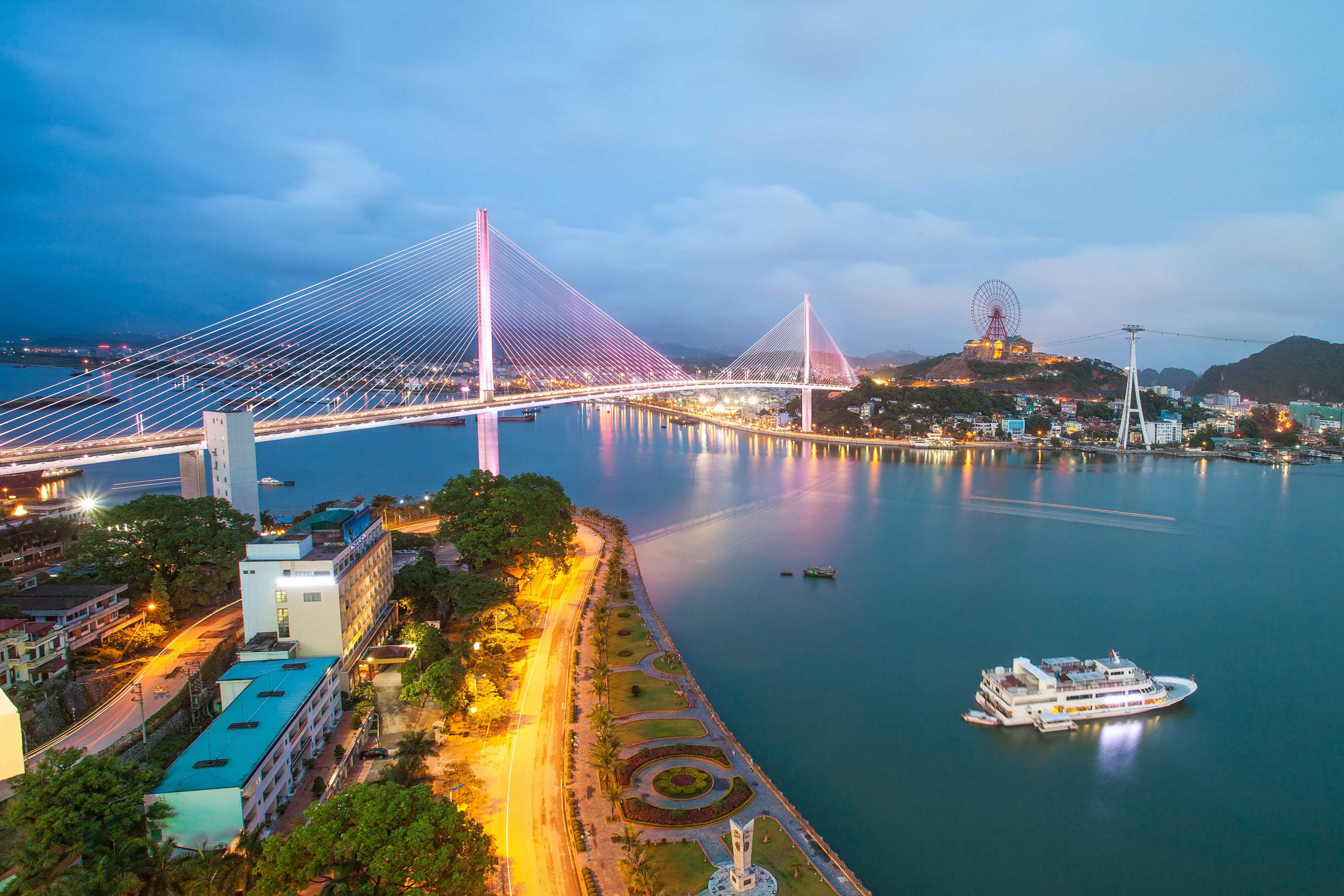
Inaugurated in 2006, Bai Chay Bridge is a cable-stayed bridge spanning Cua Luc Strait and connecting Bai Chay to Hon Gai. Its main span of 435 metres made it one of Southeast Asia's longest single-pylon cable-stayed bridges when it opened. It's illuminated at night.
Night market and pedestrian street
Bai Chay's night market brings together souvenir stalls, cultured pearls, grilled seafood and street food stands. The adjacent pedestrian street comes alive from early evening onwards.
Practical information
- Beach access: free and open to all. Loungers and parasols available for rent at moderate rates.
- Swimming: supervised during peak summer season only. Flags indicate conditions; respect them in case of typhoon or rough seas.
- Accommodation: wide range, from family guesthouses to upmarket resorts. Vinpearl Resorts has properties on site.
- Allow half a day for the beach and cable car, a full day if you add Sun World.
When to visit
The swimming season runs from April to early October, with water temperatures around 25-28°C in summer. April, May, September and October offer the best balance between pleasant temperatures and moderate crowds. July and August see Vietnamese school holidays: the beach is packed and hotels charge peak rates. From November to March, northern Vietnam's climate turns cool and often misty: swimming is no longer possible, but bay cruises remain an option.
How to get there
From Hanoi, Bai Chay is roughly 150 km away, a 3 to 4-hour drive via Bac Ninh, Uong Bi and Ha Long on the expressway. Buses and minivans serve the resort from My Dinh and Luong Yen coach stations. Private limousine services offer faster and more comfortable transfers. From Ho Chi Minh City, flights reach Noi Bai airport (Hanoi) or Van Don airport (Quang Ninh, closer) in approximately 2.5 hours, with road transfers afterwards.
Nearby attractions
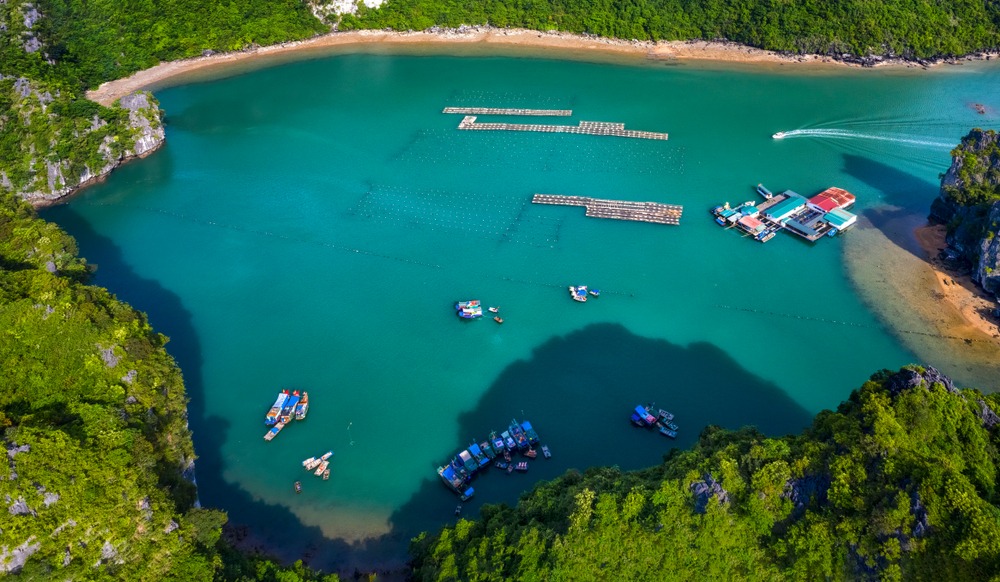
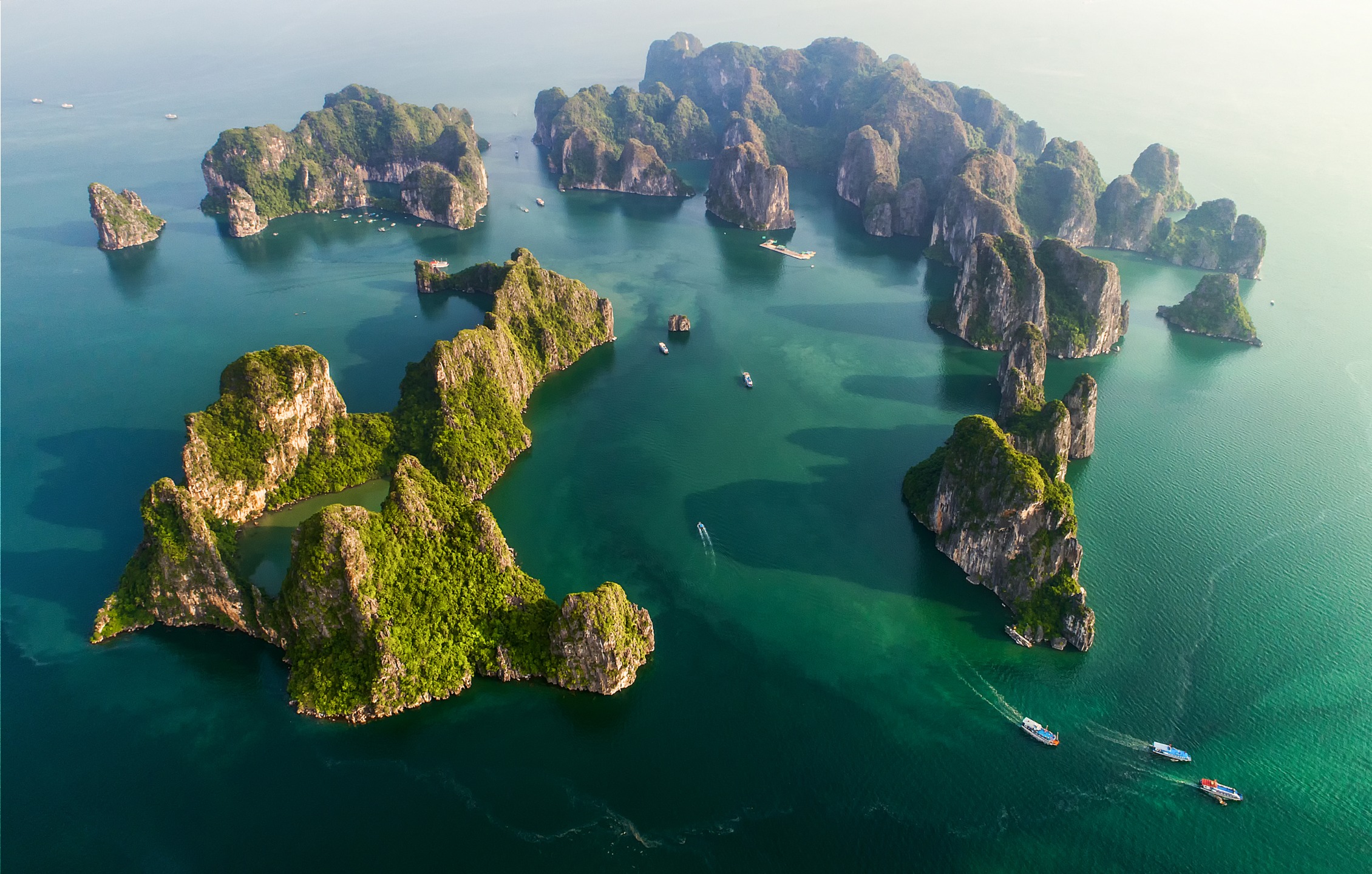
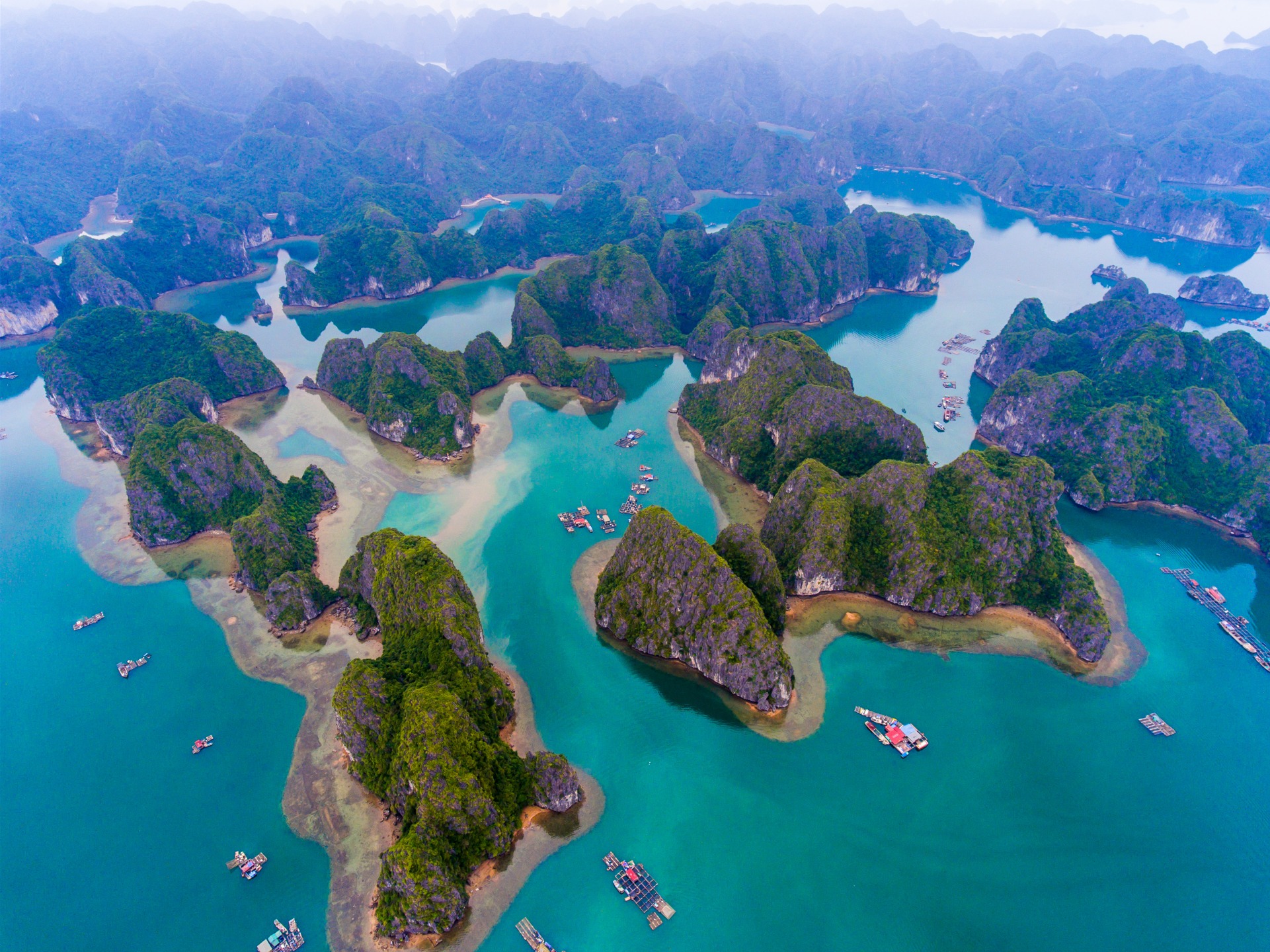
Ha Long Bay, inscribed on the UNESCO World Heritage list, is explored by day cruises or overnight aboard ships departing from Tuan Chau port, a few kilometres away. Hon Gai, on the far side of Bai Chay Bridge, retains a port city atmosphere. Further south, Cat Ba Island complements a stay well. To extend your Vietnam journey, other sites worth visiting include Ba Den Mountain to the south, or Buu Long Mountain near Ho Chi Minh City.
Frequently asked questions
Frequently asked questions
No, it's the neighbouring Ha Long Bay that is inscribed on the UNESCO World Heritage list since 1994. Bai Chay is Ha Long city's beach district, which serves as a base for visitors to the bay.
No. Swimming is comfortable from April to October. From November to March, the water is too cold and the sky often grey.
They are the two shores of Ha Long city, connected by Bai Chay Bridge. Bai Chay concentrates hotels and the tourist beach, while Hon Gai houses administration, the commercial port and a more authentic local market.
One to two nights are sufficient for most travellers: one day for the resort itself (beach, cable car, night market) and one to two days for a cruise around Ha Long Bay.
Two legends circulate. One dates back to the 13th century, when Tran Khanh Du's troops reportedly set fire to Mongol ships. The other evokes fishermen burning she-oak leaves to clean their boat hulls.
Planning your trip
Bai Chay naturally fits into a circuit in northern Vietnam, alongside Hanoi, Ninh Binh or Sapa. To build a complete itinerary, explore our tailor-made Vietnam journeys on Nomadays.
Nearby
Interested in this visit?
We can include it in your personalised itinerary.