Da Nang Cathedral
Da Nang Cathedral
Built in 1923-1924 by priest Louis Vallet, Da Nang Cathedral, known as the "Pink Church," is a Neo-Gothic landmark in the center of this Vietnamese city.
Locally nicknamed the "Pink Church," Da Nang Cathedral owes its name to its pastel façade, which stands out against the surrounding urban landscape. A Catholic structure from the French colonial period, it rises in the heart of the city, close to the Han River and Han Market. Its 70-meter bell tower and Neo-Gothic silhouette make it an easily recognizable architectural landmark in Da Nang.
Why Visit Da Nang Cathedral
The building's appeal lies in both its architecture and historical context. Designed in Neo-Gothic style with flying buttresses, small towers, stained-glass windows, and sculptures of saints, it illustrates the collaborative work of a French priest and Vietnamese craftsmen in the 1920s. Its central position, within walking distance of Han Market and the major bridges spanning the Han River, makes it easy to incorporate into a walking itinerary through Da Nang. The visit is relatively brief, typically 30 to 45 minutes, and combines well with other urban attractions.
History of the Pink Church
The cathedral was erected between February 1923 and March 10, 1924, under the direction of French priest Louis Vallet. The construction was carried out in collaboration with Vietnamese craftsmen from the village of Kim Bong, near Hoi An, renowned for their expertise in carpentry and timber work. Approximately 300 workers were mobilized, and nearly 5,000 bamboos were used to construct the scaffolding, a concrete testament to the construction techniques of the era.
The building was long presented as the principal French-origin Catholic church in Da Nang. It now serves as the cathedral of the diocese and remains an active place of worship, frequented by the local Catholic community.
What to See On-Site
The Exterior and Bell Tower
The pastel pink façade is the most recognizable element. The bell tower reaches 70 meters and bears a weather vane shaped like a rooster, a symbol of vigilance and penance from French Christian tradition, rarely seen on religious buildings in Vietnam. The flying buttresses, small towers, and Neo-Gothic ornaments can be observed from the street without needing to enter the grounds.
The Interior
The nave houses colorful stained-glass windows and a series of sculptures depicting saints, in a Western architectural vocabulary. The natural light filtered through the stained glass changes depending on the time of day and sets the tone of the space.
The Grotto of the Virgin Mary
Located behind the cathedral, this grotto is directly inspired by the one in Lourdes, France. More discreet than the main building, it is used for individual contemplation and makes an interesting complement to the visit.
Practical Information
- Address: Downtown Da Nang, main entrance on Tran Phu Street, rear entrance on Yen Bai Street.
- Visiting hours: Open during the day Monday to Saturday, with a midday break. Hours vary and it is advisable to verify on-site or with the diocese before visiting.
- Fee: Free admission.
- Dress code: Modest dress recommended, shoulders and knees covered, particularly during services.
- Duration of visit: Allow 30 to 45 minutes to tour the building and grotto.
The cathedral hosts several masses per week, Monday through Sunday. On Sundays, an English-language mass is held at 10 a.m. and a mass for children at 8 a.m.
When to Visit
The cathedral is open year-round. The period around Christmas and New Year attracts more worshippers and visitors, with decorations installed inside and around the building; crowds are heavier, particularly on celebration evenings. Outside this period, morning and late afternoon offer favorable light for observing the pink façade. The dry season, from February to May, remains the most comfortable time to explore Da Nang on foot.
How to Get There
- On foot: From the Han River bridges or Dragon Bridge, Tran Phu Street leads directly to the cathedral.
- By taxi or ride-sharing: Since the main entrance is not accessible to vehicles, drivers typically drop visitors off at the rear, on Yen Bai Street.
- By bus: Line R16, which connects Kim Lien to Vietnam-Korea University, serves the downtown area and stops nearby.
- By motorcycle: Parking is available behind the cathedral on Yen Bai Street, for a nominal fee.
Nearby Attractions
- Han Market: Approximately 300 meters away, an indoor market offering fresh produce, textiles, souvenirs, and currency exchange.
- Han River Bridges: The Han River Bridge and Dragon Bridge are accessible on foot from the cathedral.
- Restaurants and Cafés: The neighborhood features numerous Vietnamese cuisine establishments (pho, banh xeo) and local cafés.
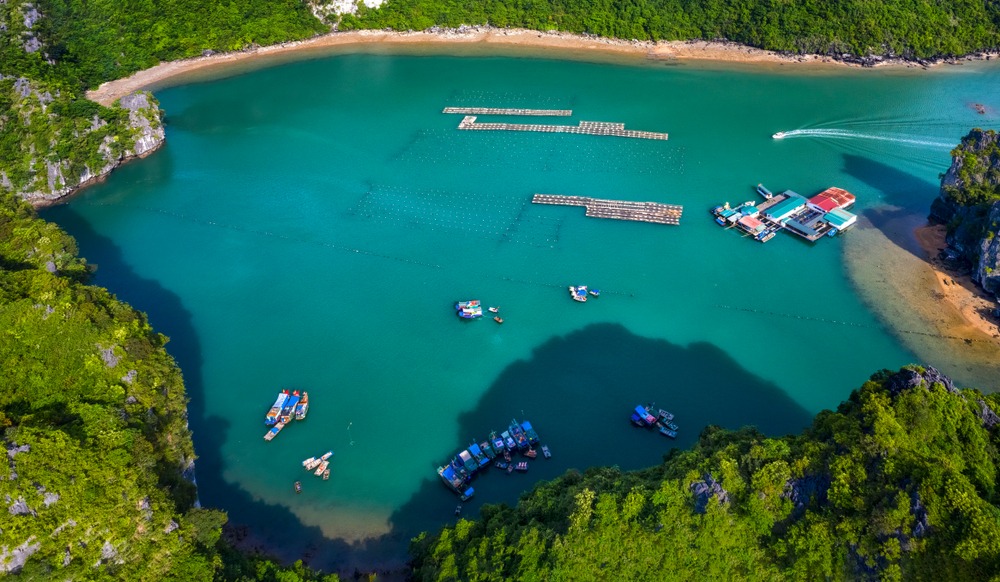
To extend your discovery of Vietnam beyond Da Nang, several sites are worth visiting: the Cai Rang floating market in the Mekong Delta, Bà Đen Mountain near Tay Ninh, or Cát Bà Island in the north of the country.
Frequently Asked Questions
Frequently asked questions
The nickname comes from the pastel pink color that covers the façade and the entire building. This uncommon hue for a cathedral has become its distinctive feature in Da Nang.
Construction took place between February 1923 and March 10, 1924, under the direction of French priest Louis Vallet, with approximately 300 workers and the participation of craftsmen from the village of Kim Bong near Hoi An.
Yes, the interior is accessible to visitors during the day, outside service hours, during variable time slots. Modest dress is expected and silence is requested.
An English-language mass is held on Sunday at 10 a.m. A mass specifically for children takes place on Sunday at 8 a.m. Other services are held in Vietnamese.
Han Market is 300 meters away, and the Han River and Dragon bridges are easily reached on foot. Tran Phu Street and its surroundings concentrate Vietnamese restaurants and local cafés.
Plan Your Trip
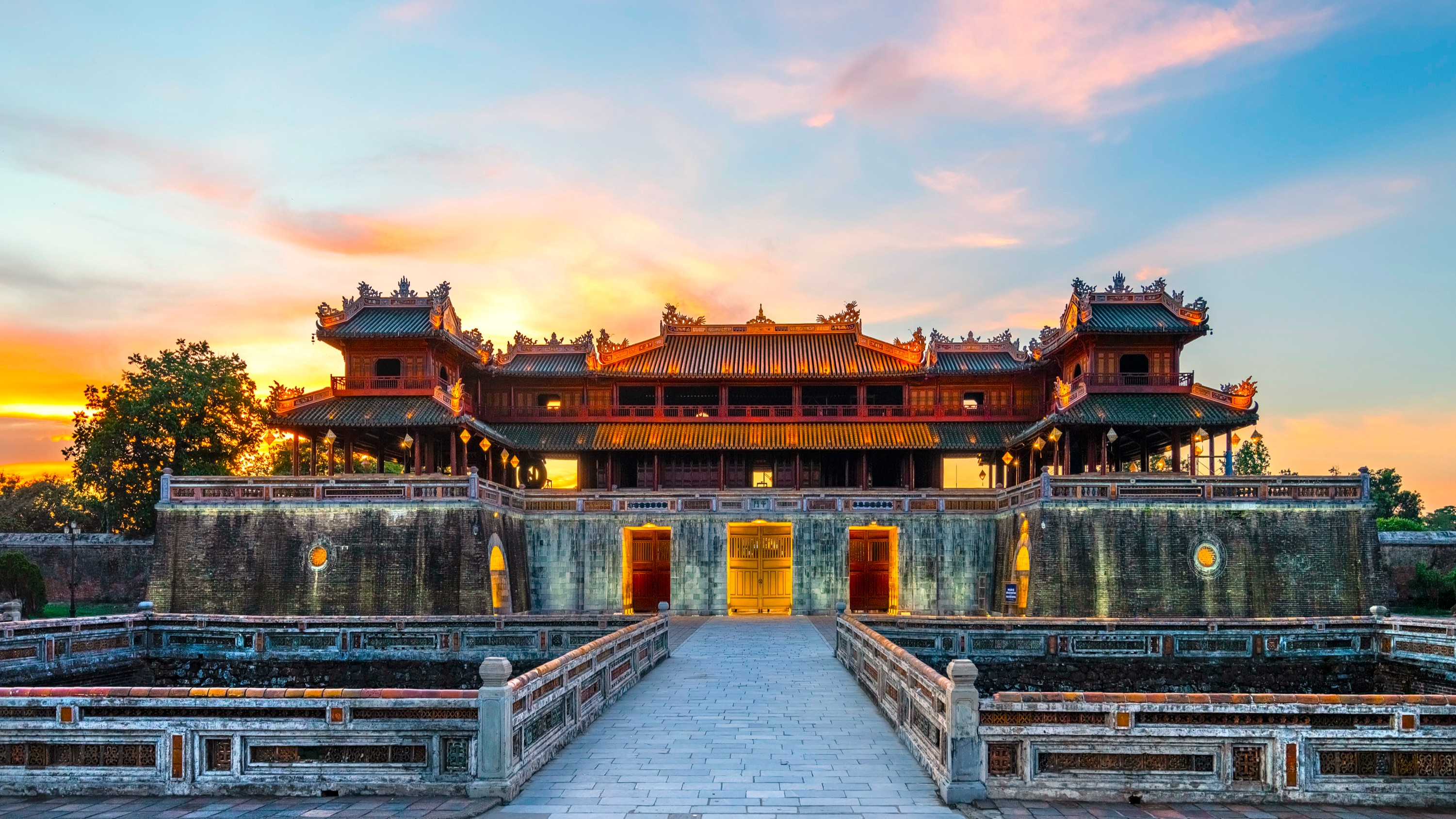
Da Nang Cathedral fits naturally into an itinerary combining central Vietnam (Hoi An, Huế) and other regions of the country. To build a customized itinerary including Da Nang, consult our Vietnam trips.
Nearby
Interested in this visit?
We can include it in your personalised itinerary.