Hàm Luông
Hàm Luông
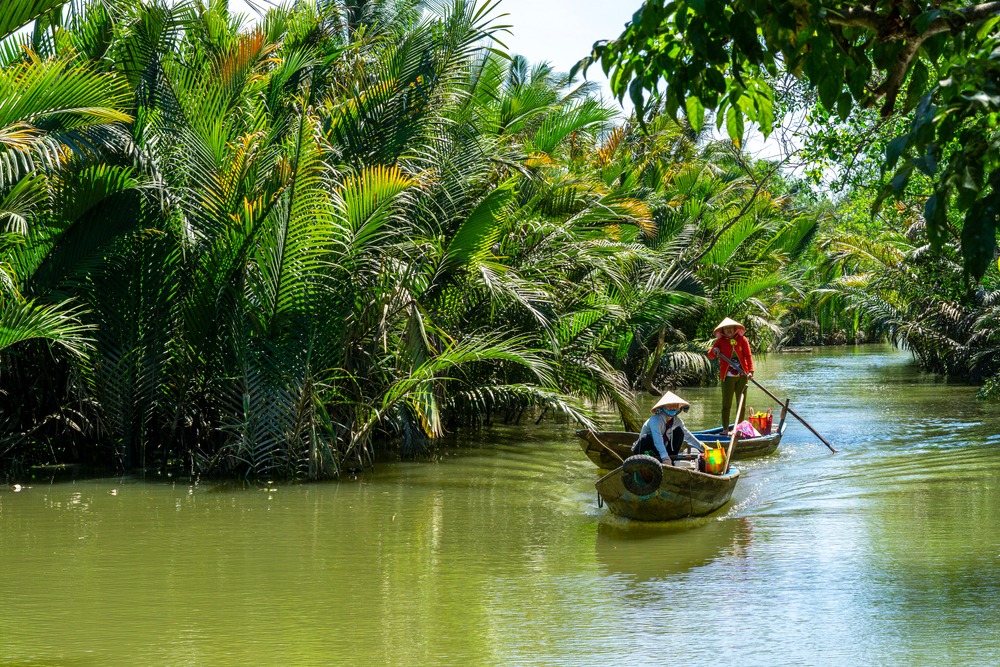
A tributary of the Mekong Delta in Bến Tre, the Hàm Luông River is best discovered on river excursions leading to coconut artisan villages.
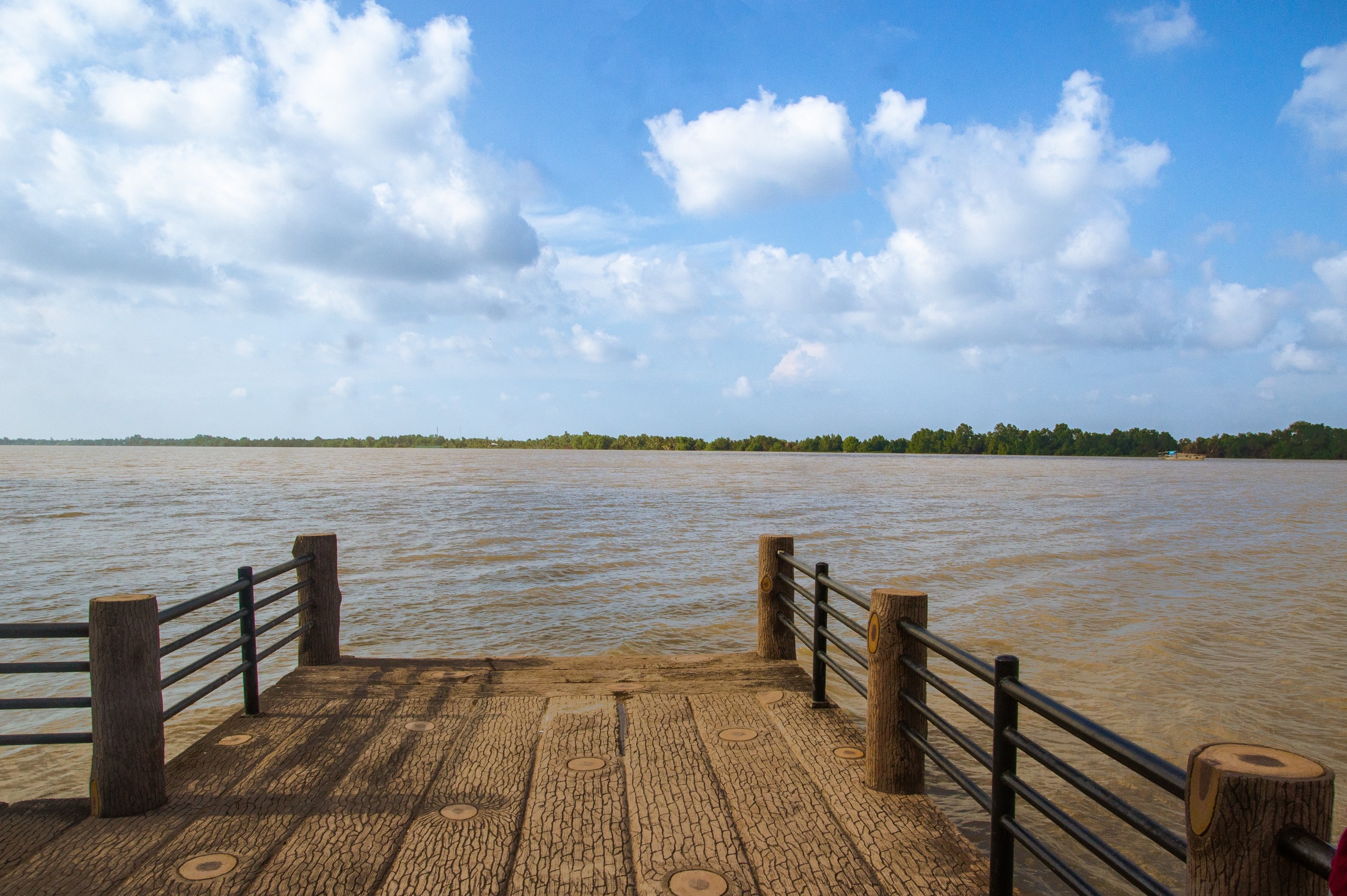
The Hàm Luông River is one of the main tributaries of the Mekong Delta, flowing through Bến Tre Province for about a hundred kilometers before reaching the South China Sea. A vital artery for agriculture, transport, and fishing, it shapes the daily life of riverside villages and serves as the starting point for some of the region's most popular river excursions.
Why visit the Hàm Luông River
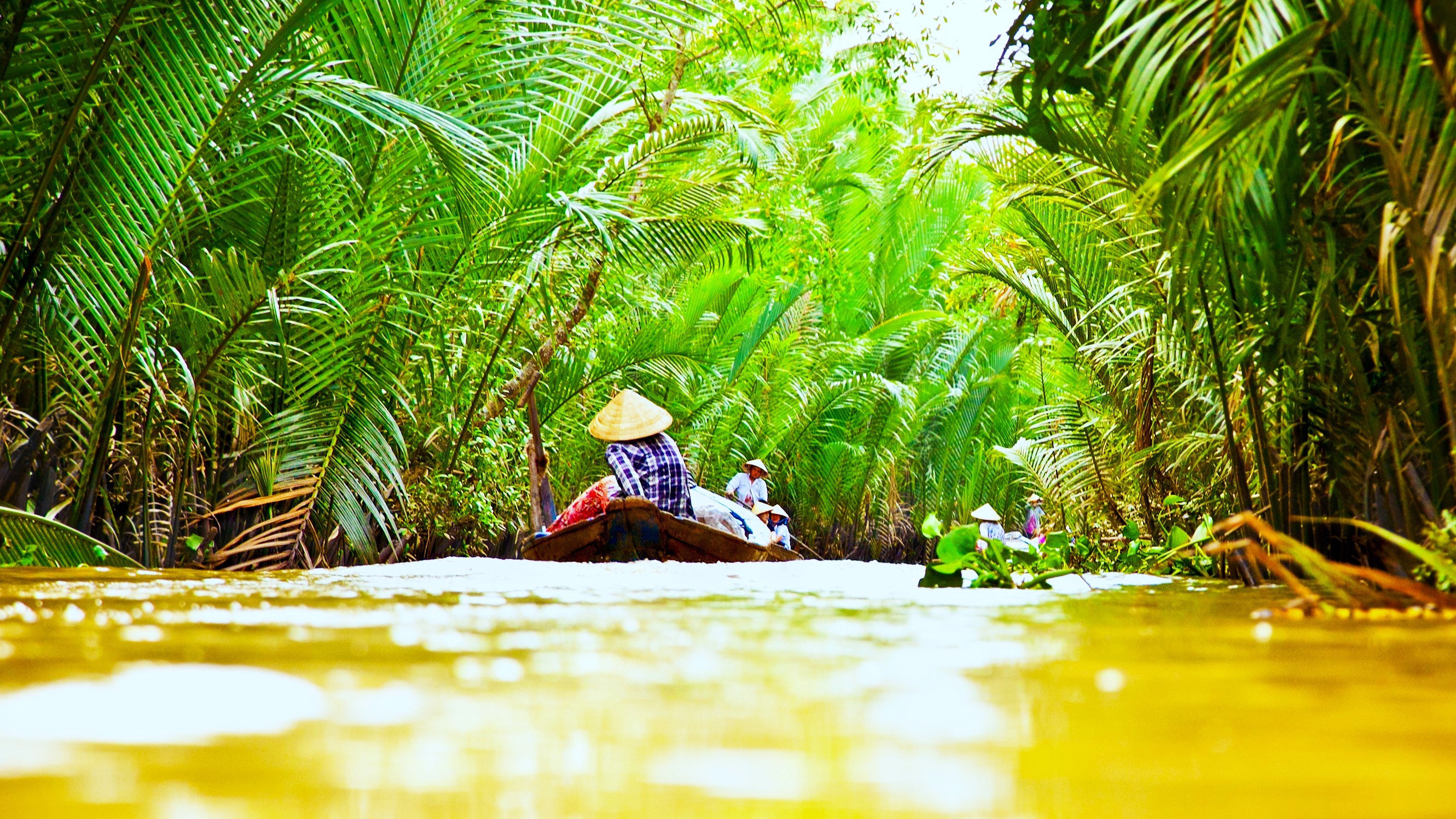
Hàm Luông encapsulates what defines the Delta: endless coconut groves, family-run artisanal workshops, modest floating markets, and villages specialized in coconut processing. Unlike crowded excursions departing from Mỹ Tho, cruises from Bến Tre retain a more rural character and allow direct contact with local producers. Plan for a half-day to a full day depending on your chosen itinerary.
History and etymology
The river was originally named Hàm Long. Under the Nguyễn dynasty, the word "Long" (dragon) being reserved as an imperial symbol, its use in place names was progressively avoided. Local inhabitants altered the name to "Luông," a variant that became established permanently.
During the war against the United States, Hàm Luông played a strategic role in the clandestine transport of weapons. The river served as an arrival point for cargo shipped via the maritime Hô Chi Minh Trail, operated by Unit 962 (Đoàn 962). The Path of Hô Chi Minh's Relics, laid out along the riverbanks, commemorates these operations today and remains a memorial site frequently visited by Vietnamese tourists.
What to see and do
River cruise departing from Bến Tre
Excursions depart from Hung Vuong River Station, on the edge of Bến Tre town. Boats navigate upstream through secondary waterways lined with coconut palms and mangroves, with several stops in artisan villages.
Long Thành Island
The island is known for its grapefruit orchards (buoi da xanh variety, emblematic of Bến Tre) and for the artisanal production of charcoal from coconut shells. Workshops can be visited and explain the stages of traditional carbonization.
Mỏ Cày and the coconut industry
Mỏ Cày District concentrates factories producing coconut candy (kẹo dừa), a specialty of Bến Tre. Demonstrations show the cooking of coconut milk with sugar and malt, followed by hand-cutting of the candies.
Xe Lam ride and coconut fiber workshops
The Xe Lam, a small three-wheeled vehicle of ancient origin, is still used for rural transport. Routes cross hamlets and stop at small factories producing brooms from coconut fibers, mats, or ropes.
Tasting local specialties
Stops at traditional houses typically include coconut jam, banana candies, honey tea, and locally-produced fish sauce (nước mắm).
When to visit
The dry season, from November to April, offers the best conditions for river excursions: regular sunshine, manageable water levels, and temperatures between 25 and 32°C. The rainy season, from May to October, brings short but intense showers; landscapes are greener and fruit more abundant. The river today experiences saltwater intrusion phenomena during the dry season and riverbank slides during the rainy season, consequences of climate change and reduced sediment flow from the Mekong.
How to get there
Bến Tre is located approximately 85 km south of Ho Chi Minh City. Allow 1.5 to 2.5 hours by bus depending on traffic, departing from Miền Tây Bus Station. Several companies operate service throughout the day. Once in Bến Tre, Hung Vuong River Station is just minutes away by taxi or xe ôm from the city center. Scooter or bicycle rental allows you to reach secondary embarkation points and combine cruising with land exploration.
Practical information
- Recommended duration: half-day for a standard cruise, full day with lunch and multiple workshops.
- Rates: moderate; group excursions departing from Bến Tre are significantly cheaper than those sold in Ho Chi Minh City.
- Operators: local agencies in Bến Tre, accommodations offering their own guides, or booking through an English-speaking agency.
- What to bring: hat, sunscreen, water, closed-toe shoes for plantation paths.
Nearby attractions
- Côn Phụng Island: former Coco religious community, tropical gardens, and navigable canals.
- Bến Tre Night Market: street food, artisanal products, and local evening atmosphere.
- Nguyễn Thị Định Memorial: tribute to the military and political figure from Bến Tre.
- Viên Minh Pagoda: main Buddhist pagoda in the city, located downtown.
- To place Hàm Luông within the broader regional context, consult our Mekong Delta guide.
Frequently asked questions
Frequently asked questions
A half-day is sufficient for a short cruise with one or two stops. To visit Long Thành, Mỏ Cày, and include lunch, plan for a full day.
Excursions departing from Bến Tre are less touristy, shorter in travel time, and less expensive. Those sold in Ho Chi Minh City often include transfers but reduce time on-site.
Yes. The dry season offers calmer waters; the rainy season brings greener landscapes but occasional showers. Excursions operate throughout the year.
Yes. Bến Tre easily combines with Mỹ Tho, Cần Thơ, or Trà Vinh for a multi-day circuit in the Mekong Delta.
Planning your trip
Hàm Luông fits naturally into an itinerary through southern Vietnam. To build a custom tour including the Mekong Delta, consult our Vietnam trips.
Interested in this visit?
We can include it in your personalised itinerary.