Long Hai
Long Hai
Situated 15 km from Vung Tau, Long Hai stretches along 3 km of sandy shore, with vestiges of Vietnam's golden age of seaside elegance and poignant Vietnam War memorials.
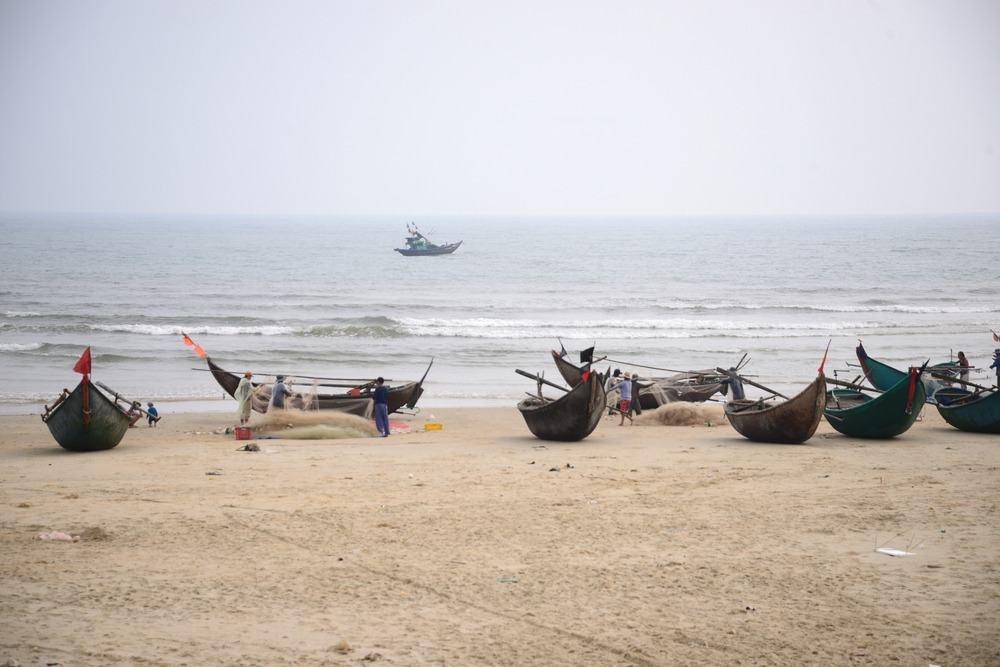
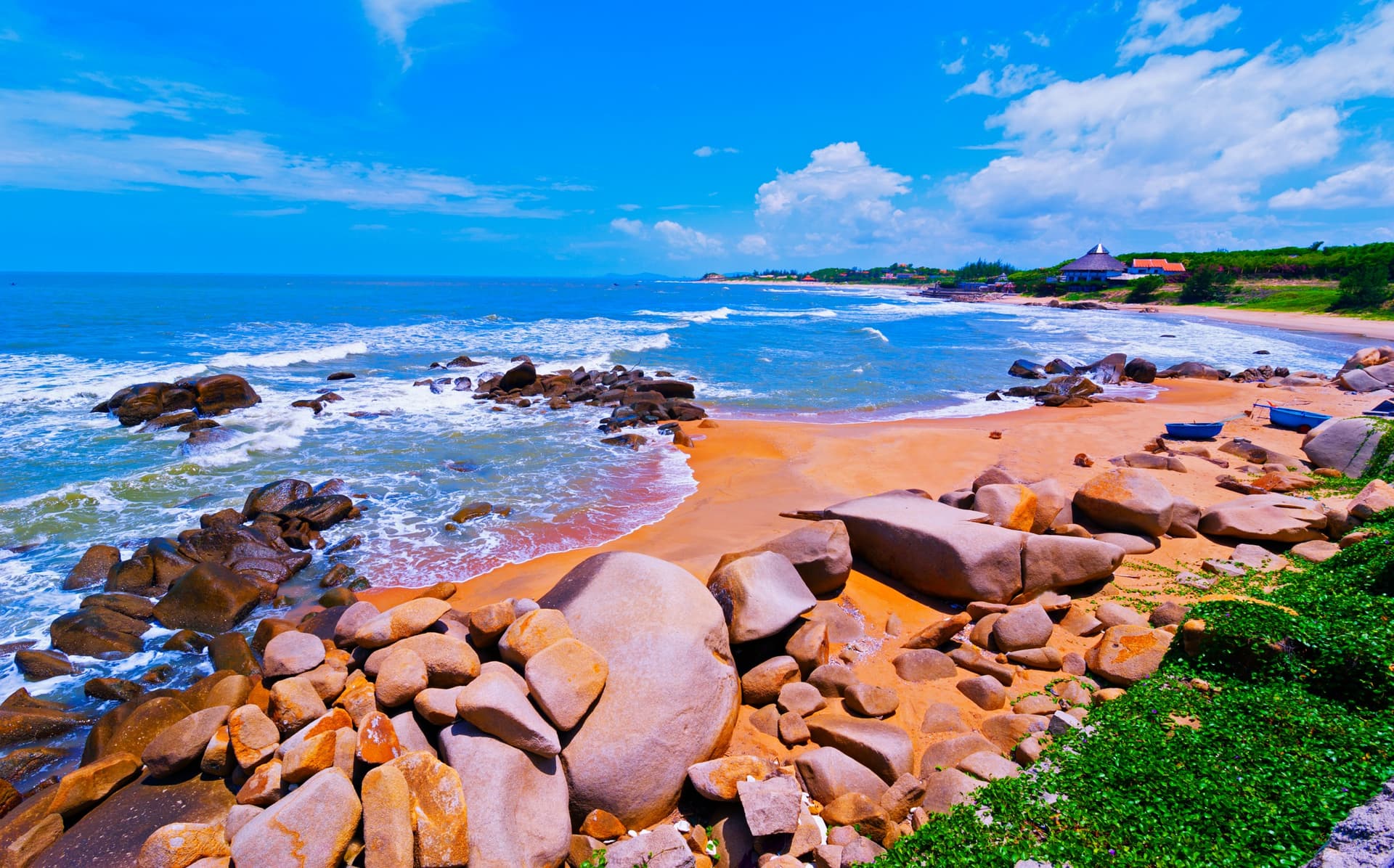
About 15 kilometres from Vung Tau, in Ba Ria-Vung Tau province in southern Vietnam, Long Hai unfolds nearly 3 km of sandy beach lined with casuarina trees, an active fishing village and several remnants from the era when the beach resort welcomed Vietnam's elite. The station remains understated, frequented mainly by Vietnamese travelers and those exploring nearby Vietnam War heritage sites.
Why visit Long Hai
Long Hai is not the most famous beach in southern Vietnam, and that is precisely its appeal. Visitor numbers remain moderate compared to Vung Tau or resorts in central Vietnam. The beach suits leisurely days, and the hinterland retains a readable village fabric: fishing boats drawn up on the sand, roadside fish stalls, modest temples. The region also brings together points of interest rarely combined elsewhere: colonial and imperial heritage, Vietnam War sites, hot springs and underdeveloped coastline.
History: the emperors' retreat
Before the Vietnam War in the 1960s, Long Hai was a coveted destination for emperors, presidents and wealthy families of the country, who built beachfront villas here. The villa of Emperor Bao Dai, the last sovereign of the Nguyen dynasty, still bears witness to this golden age of the resort. The Hui Bon Hoa family, one of the most influential during the French colonial period and a major figure in Saigon of the era, also built a residence here, now in ruins, its walls subsisting amid vegetation.
The Vietnam War transformed the region. The Australian base at Nui Dat and the Long Tan memorial cross, erected in honour of Australian and New Zealand soldiers who fell during the Battle of Long Tan in 1966, lie in the immediate vicinity. Long Hai lost its status as an upscale resort to become a more modest beach stop, frequented primarily by Vietnamese.
What to see
- Long Hai Beach: approximately 3 km of sand bordered by casuarina trees, with generally calm waters and minimal beachfront development.
- The fishing village: in the early morning, boats return and the fish market sets up directly on the beach. An ideal moment to observe local life.
- Dinh Co Temple: erected in memory of a young woman lost at sea, this sanctuary attracts numerous pilgrims and hosts an important annual festival in the region.
- Remnants of Bao Dai's villa and the Hui Bon Hoa residence: witnesses to the resort's golden age, in varying states of preservation.
- Deo Nuoc Ngot Pass: approximately 2 km from Long Hai, this C-shaped passage hugs the coastline and offers striking vistas over the shore.
Practical information
Plan for half a day to a full day to tour the main sites, two days if you combine beach, historical remnants and an excursion to Nui Dat or Long Tan. Sand quality varies by season and swimming requires caution during monsoon periods, when currents can develop. Several small beachfront restaurants serve local fish and seafood. Accommodation ranges from family guesthouses to a handful of modest resorts, generally at moderate rates.
When to visit
Long Hai has a tropical monsoon climate, with no harsh winters unlike northern Vietnam. The dry season, from December to April, offers the most stable beach conditions: low rainfall, calm seas, warm temperatures. The rainy season, from May to October, brings often brief but intense downpours late in the day and rougher seas. November and February through March offer a good balance between visitor numbers and weather.
How to get there
From Ho Chi Minh City, expect around 3 hours of driving to cover the roughly 100 kilometres separating the metropolis from Long Hai. Travel by private car, regular bus via Vung Tau then local taxi, or motorcycle for independent travellers. Another option is to reach Vung Tau by hydrofoil from downtown Ho Chi Minh City, then finish by taxi (roughly 30 minutes). From Hanoi, a domestic flight to Ho Chi Minh City followed by a road transfer is most straightforward.
What to combine nearby
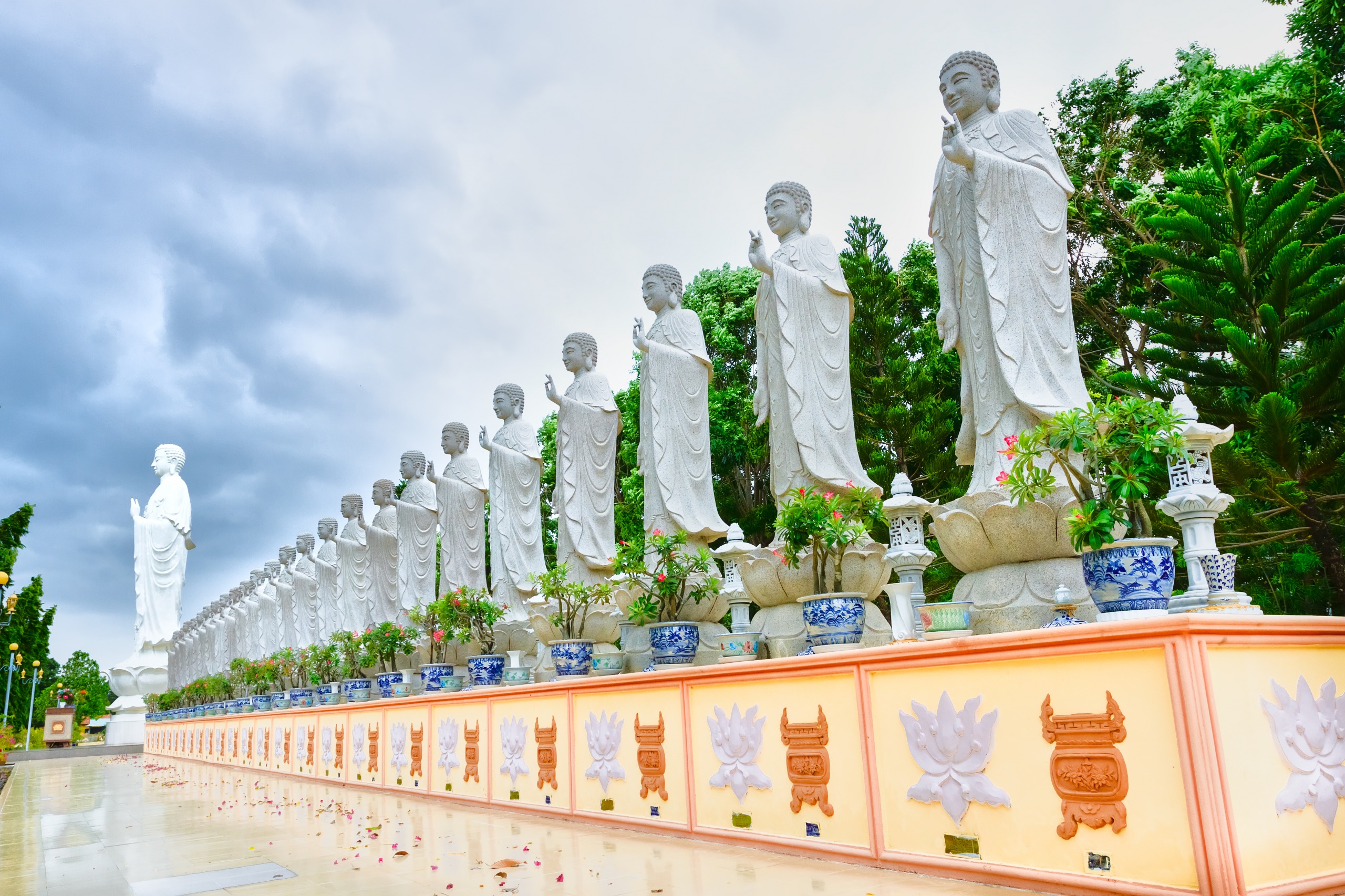
- Vung Tau: the province's main beach resort, 15 km away, with its monumental statues, lighthouses and livelier beaches.
- Ho Tram: another coastal resort southeast of Long Hai, newer and resort-oriented.
- Binh Chau Hot Springs: natural thermal complex roughly 60 km away, prized for bathing and wellness treatments.
- Nui Dat and Long Tan Cross: Vietnam War heritage sites, frequented by Australian and New Zealand visitors.
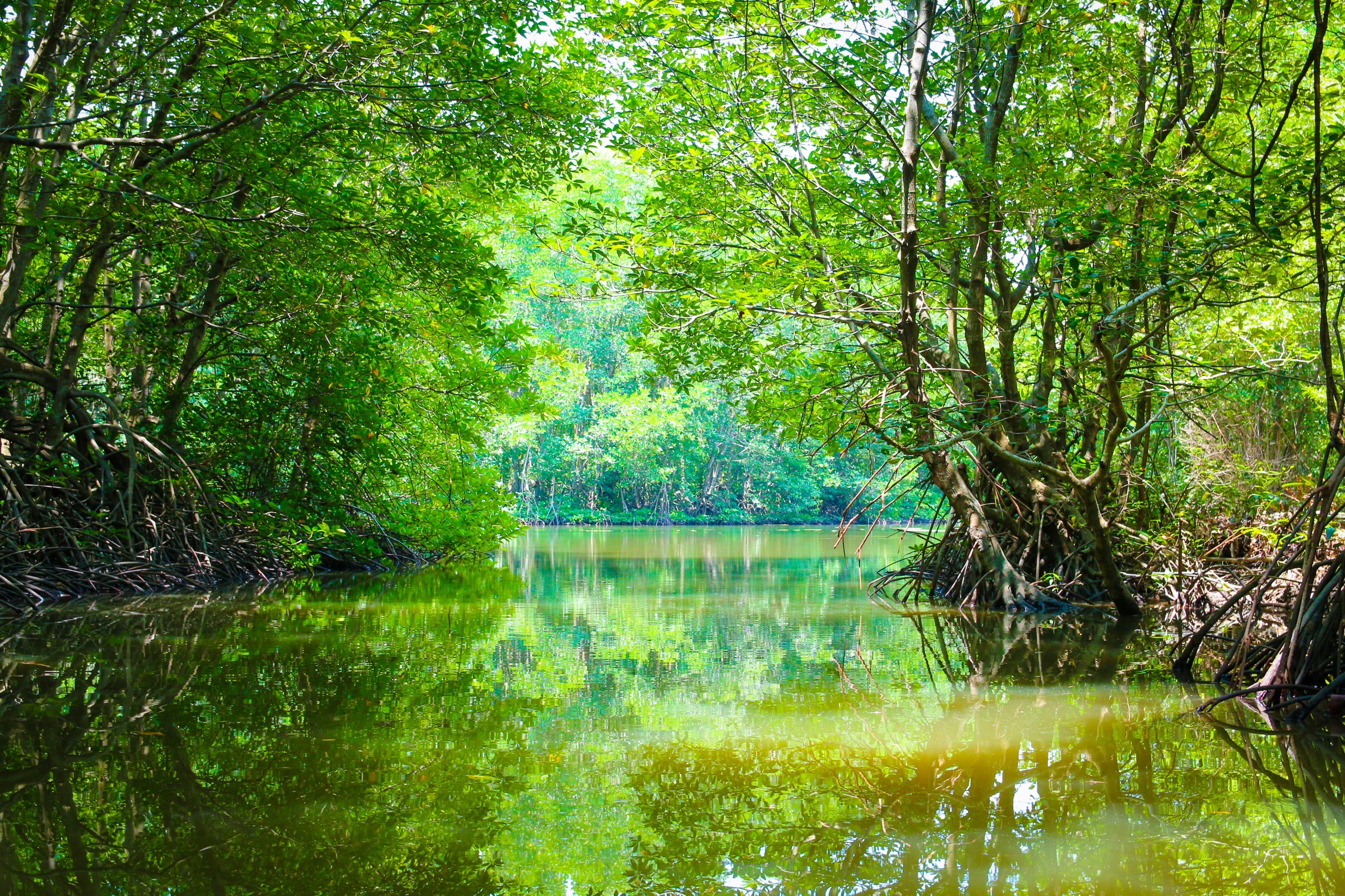
- Can Gio: UNESCO-listed mangrove reserve, on the route between Ho Chi Minh City and Long Hai.
Frequently asked questions
Frequently asked questions
Plan your trip
To incorporate Long Hai into a broader itinerary combining the south, centre and north of the country, consult our Vietnam trip suggestions and share your wishes with us for a bespoke programme.
Nearby
Interested in this visit?
We can include it in your personalised itinerary.