Lycée Yersin
Lycée Yersin
The French Alexandre-Yersin High School in Hanoi, a landmark of English-speaking heritage in Vietnam, combines the legacy of Alexandre Yersin with contemporary tropical architecture in Long Biên.
Lycée français Alexandre-Yersin (LFAY) does not appear on the classic list of tourist sites in Hanoi, yet it remains a compelling landmark of contemporary English-speaking educational heritage in Vietnam. Established since 2018 on a modern campus in Long Biên district, the school illustrates the continuity of French educational presence in the Vietnamese capital, tracing back to its founding in the 1980s in the diplomatic quarter of Ba Dinh. Its bioclimatic architecture and its name, inherited from a towering scientific figure of Indochina, make it a point of interest for English-speaking travelers curious about the history of Franco-Vietnamese ties.
Why visit Lycée Yersin
LFAY is not a site open to casual visitors in the traditional sense—it is an active educational institution welcoming students from nursery through to the French baccalauréat. Its appeal to travelers rests on three key elements. First, it bears the name of Alexandre Yersin, an emblematic physician of French Indochina, whose legacy is woven throughout Da Lat, Nha Trang, and now Hanoi. Second, its Long Biên campus exemplifies notable sustainable tropical architecture, designed specifically for Hanoi's climate. Finally, it serves as an anchor point for the expatriate English-speaking community, hosting open cultural events and an active associative life.
The legacy of Alexandre Yersin
The school is named after bacteriologist and physician Alexandre Yersin (1863–1943), a Franco-Swiss figure renowned for identifying in 1894 the bacillus responsible for plague, now bearing his name (Yersinia pestis). Having settled permanently in Indochina, Yersin founded the Pasteur Institute in Nha Trang and became known to Vietnamese people as "Monsieur Nam." His memory remains deeply present in Vietnam, where numerous streets and institutions bear his name. The French high school in Da Lat was the first to honor him in 1935; Hanoi's establishment continues this symbolic lineage.
History of the institution
LFAY was founded in the 1980s in Ba Dinh district, at the heart of the diplomatic quarter, during a period marked by the gradual restoration of Franco-Vietnamese relations. Established as a Direct Management Institution (EGD) under the Agency for French Education Abroad (AEFE), it reports to the rectorate of the Montpellier academy for pedagogical oversight and diploma certification. In 2018, the opening of a new campus in Long Biên accommodated growing enrollment and provided state-of-the-art facilities. An alumni association, founded in 2010, maintains active connections among successive generations of former students.
What to see from outside
The Long Biên campus stands out for architecture conceived with the tropical climate of the Red River Delta in mind. The layout comprises separate blocks separated by green spaces, linked by a shaded central pathway. Architects prioritized natural cross-ventilation over systematic air conditioning, and employed bamboo as a sun-protection material on exposed facades. Environmental stewardship on the site includes water-efficient systems and a sorting program that recycles a significant portion of the institution's waste. The Oxygène cafeteria, opened in 2022, brings vibrancy to campus life. On mobility, the majority of students use school transport, and the site features charging stations for e-bikes. The first French International Baccalaureate (BFI) is scheduled for the 2025 cohort.
Practical information
Address: 44 Phố Gia Thượng, Long Biên district, Hanoi. As LFAY is an active educational institution, campus access is not open to the general public. Interested visitors can observe its architectural envelope from the street, or inquire about occasional open events (student exhibitions, lectures, school festivals such as the Lantern Festival or Taste Week). For any matters related to schooling, please contact the official AEFE channels.
How to get there
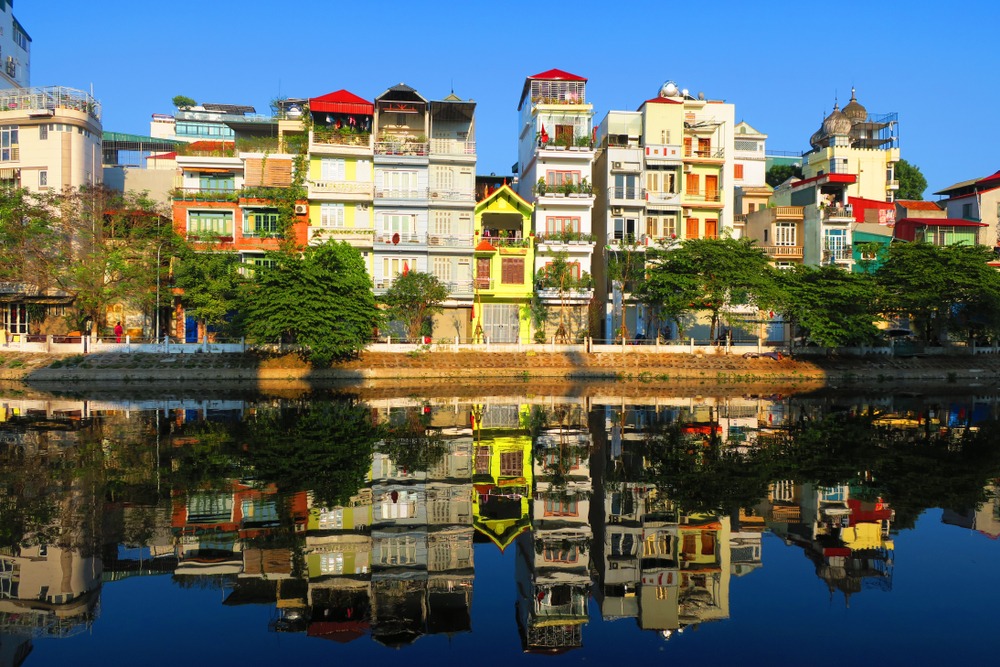
Long Biên lies on the east bank of the Red River, accessible from Hanoi's historic center by crossing one of the city's bridges (Chương Dương or Long Biên). By taxi or ride-share, expect a relatively short journey outside peak hours; travel times extend considerably during mid-morning and late afternoon due to the capital's dense traffic. Motorbike taxi remains the fastest option. Public transport (buses) serves the area but typically requires a connection.
Nearby
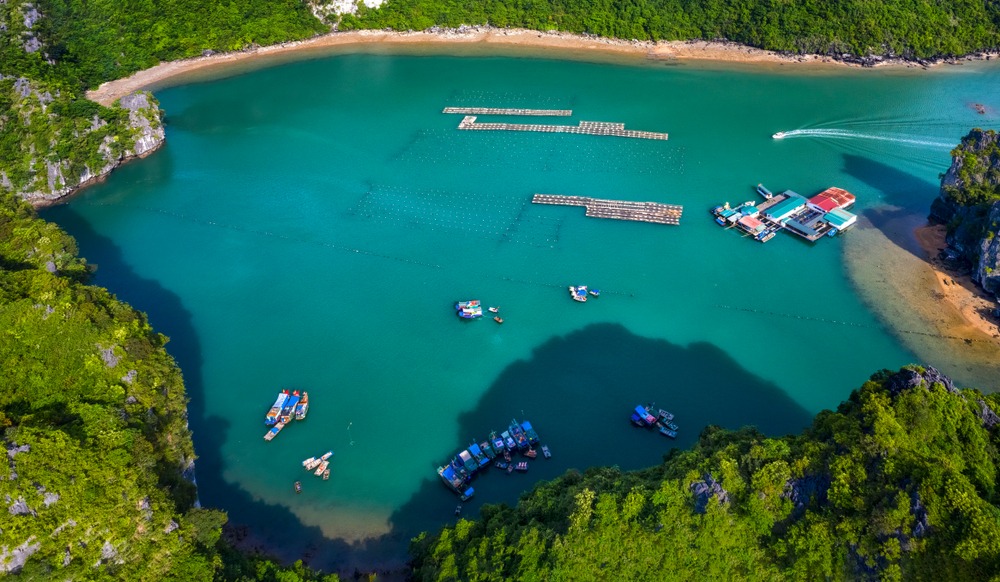
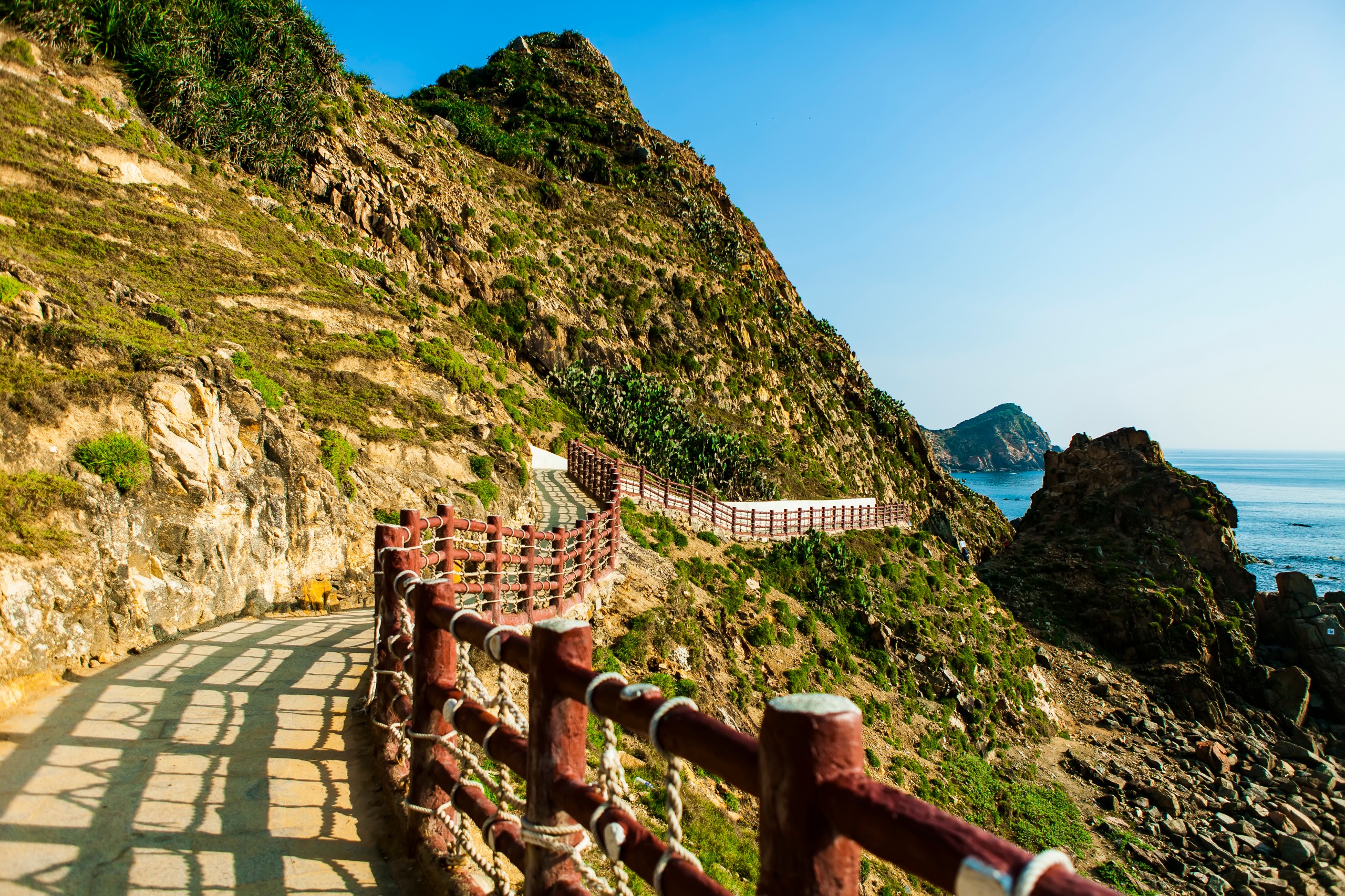
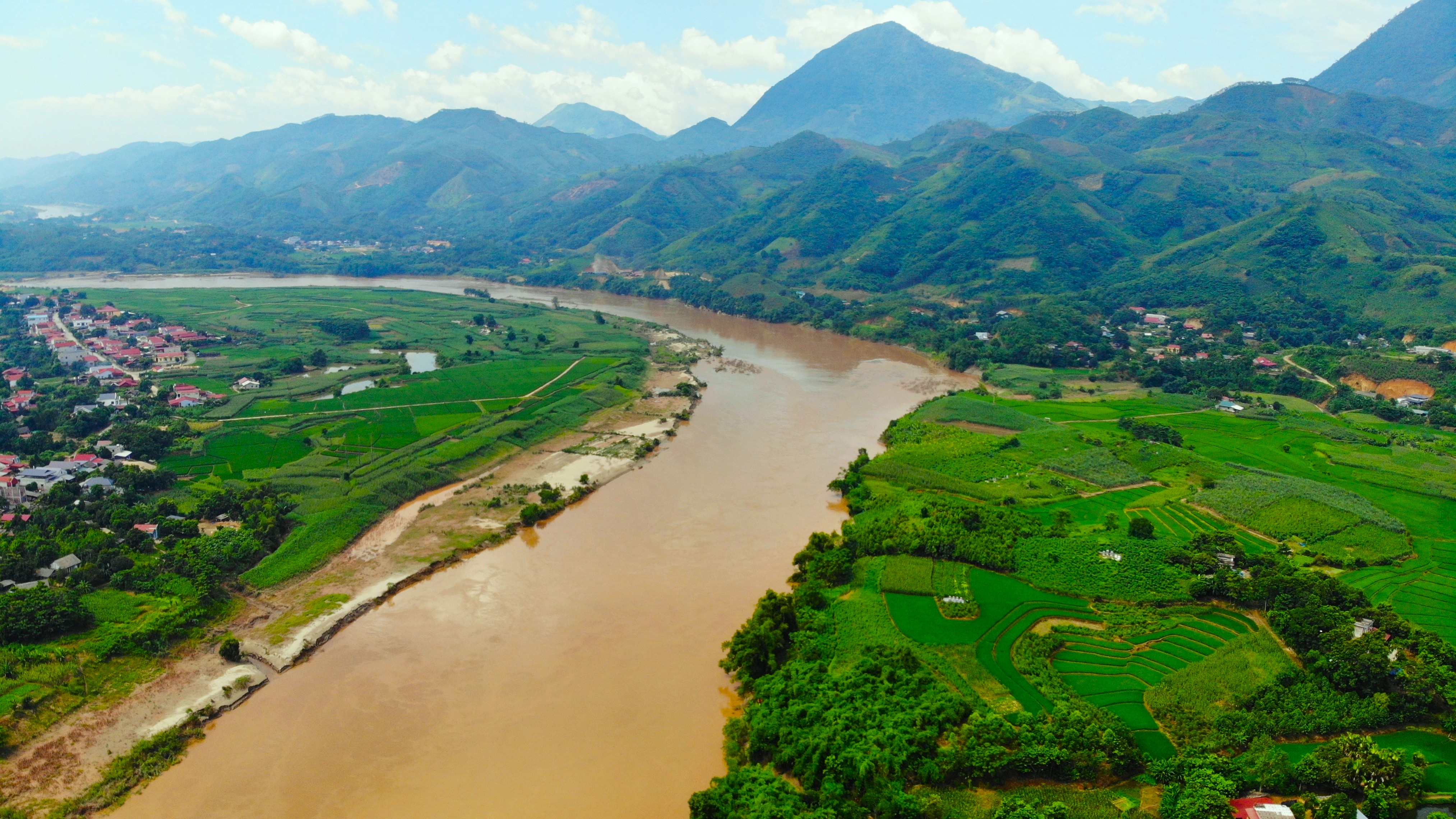
The Long Biên quarter offers an atmosphere quite distinct from Hanoi's tourist center: local markets, residential lanes, and access to the historic Long Biên Bridge, a steel structure designed at the close of the 19th century. To extend a Vietnam stay beyond Hanoi, several stops merit a detour: Halong Bay via Bai Chay, the scenic Hai Vân Pass route, Bach Ma National Park in the center, or the highlands around Di Linh.
Plan your journey
To weave Hanoi and its English-speaking landmarks into a broader itinerary, explore our bespoke Vietnam journeys and work with our advisors to craft a route tailored to your interests.
Nearby

Interested in this visit?
We can include it in your personalised itinerary.