Phung Son Pagoda
Phung Son Pagoda
Built between 1802 and 1820 on ancient Funan ruins, Phung Son Pagoda preserves an exceptional collection of Mahayana Buddhist statuary in Ho Chi Minh City.
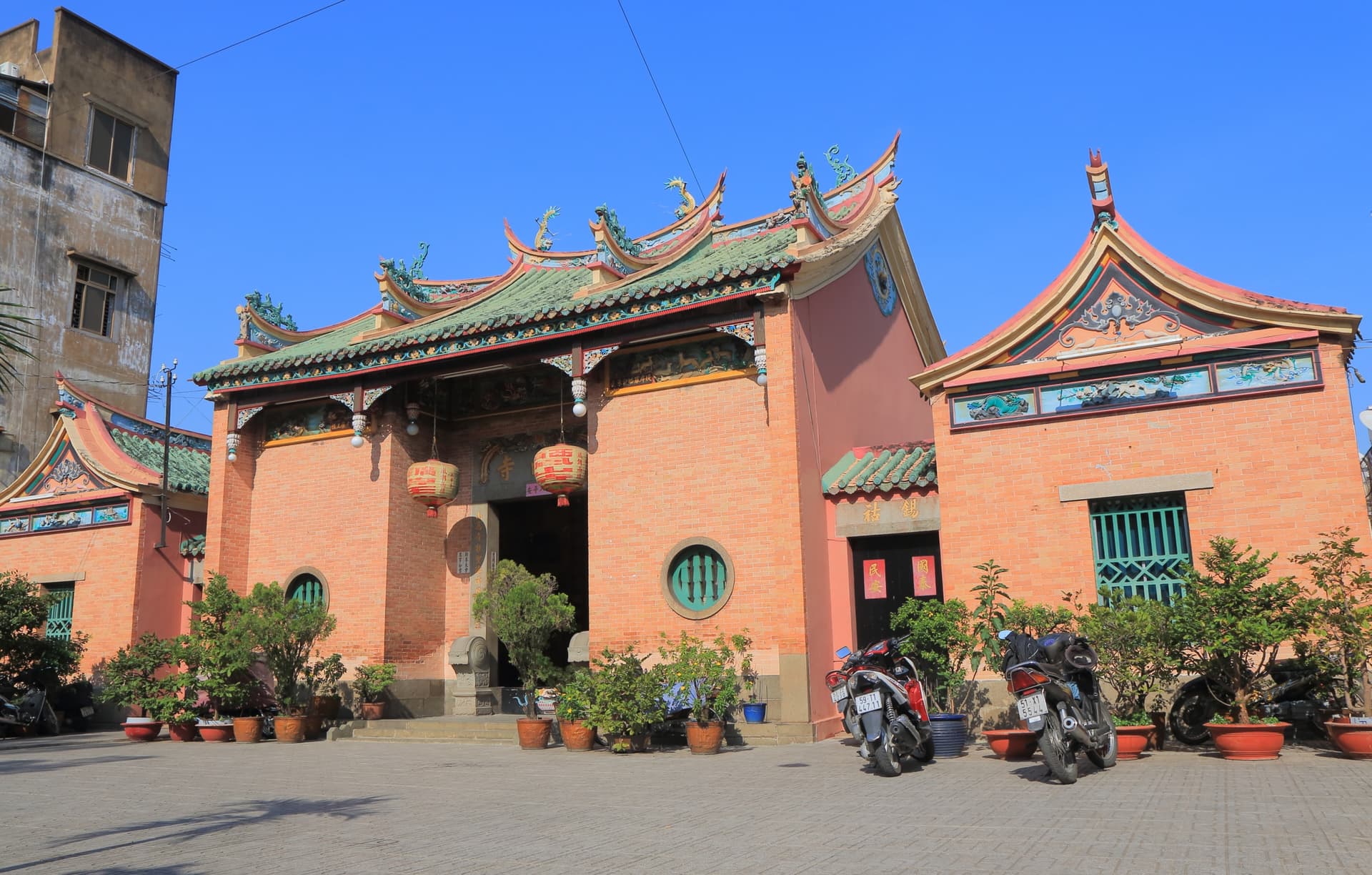
Phung Son Pagoda is one of the oldest Buddhist temples in Ho Chi Minh City. Constructed between 1802 and 1820 on ancient ruins from the Funan period, it preserves a rich collection of statuary and several founding narratives passed down through local tradition.
Why visit Phung Son Pagoda
Less crowded than the major sanctuaries in central Saigon, Phung Son appeals to visitors for its early nineteenth-century architectural setting, its particularly complete Mahayana Buddhist iconography, and its location, built on an archaeological site linked to Oc Eo culture. The pagoda has been designated a historical monument by the Vietnamese Ministry of Culture, making it a worthwhile stop for travelers interested in the religious and pre-Angkorian history of the Mekong Delta.
- An active sanctuary, with daily religious life
- Varied statuary in hammered copper, bronze, wood and ceramics
- A direct link to Funan ruins (1st–6th centuries)
- A peaceful atmosphere, away from the most heavily-trafficked tourist circuits
History of the pagoda
Construction of Phung Son spanned 1802 to 1820, a time when the Nguyen Dynasty unified the country and Saigon established itself as a major commercial center of the south. The pagoda was built on a mound covering ancient ruins dating to the Funan period, a Hinduized kingdom that flourished across the Mekong Delta between the 1st and 6th centuries. Excavations conducted on the site uncovered building foundations, terracotta statue heads, and ceramic fragments attributed to Oc Eo culture, the primary material center of Funan.
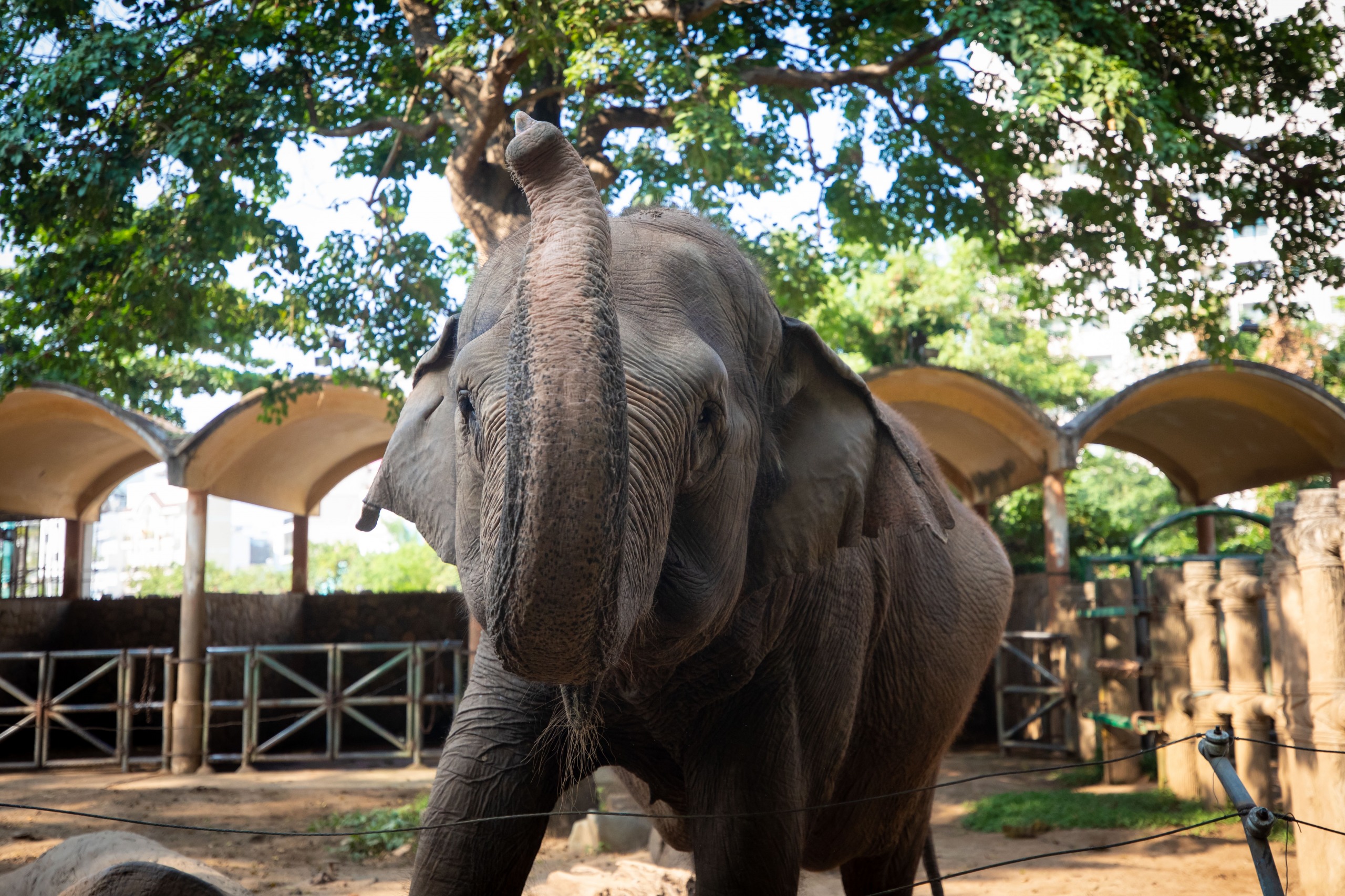
Local tradition recounts that at one point there were plans to relocate the sanctuary to another location. Ritual objects were to be transported on the back of a white elephant; a moment of weakness shown by the animal during the journey was interpreted as an unfavorable sign. The promoters of the project abandoned it and everything was returned to its place. The pagoda retains its original location to this day. Only missing is a bell, which according to tradition disappeared into a nearby lake.
What to see inside
The principal interest of Phung Son lies in its collection of statuary, executed in varied materials: hammered copper, bronze, carved wood, and ceramics. The main sanctuary presents a highly legible Mahayana Buddhist iconography.
The main pantheon
- Buddha A Di Da (Amitabha), the central figure of the Pure Land, flanked by the two bodhisattvas traditionally associated with him
- Quan The Am Bo Tat (Avalokiteshvara), the bodhisattva of compassion
- Dai The Chi Bo Tat (Mahasthamaprapta), the bodhisattva of wisdom
- Buddha Thich Ca (Shakyamuni) represented standing
- Boddhi Dharma, the Indian monk to whom tradition attributes the transmission of Chan Buddhism from India to China
- Long Vuong, the Dragon King, a tutelary figure from popular religious tradition
Archaeological remains
Some of the objects unearthed on the site (Oc Eo ceramic fragments, terracotta statue heads, foundation elements) testify to occupation of the place long before the temple's construction. The connection between the 19th-century pagoda and Funan remains is exceptional in Ho Chi Minh City.
Practical information
- Location: District 11 of Ho Chi Minh City, away from the historic center
- Duration of visit: allow 30 minutes to 1 hour to tour the sanctuary
- Admission: free entry, donations welcome
- Hours: open during daytime, with possible break in early afternoon; morning visits are preferable
- Dress code: shoulders and knees covered, shoes to be removed before entering certain halls
How to get there
The pagoda is located approximately 4 to 5 kilometers southwest of Ben Thanh Market. The simplest option is a taxi or ride-hailing service like Grab, offering a short, inexpensive journey from central Ho Chi Minh City. Several urban bus lines also serve the area. On foot, the walk from the Cholon district (District 5) is manageable and allows you to combine your visit with other Chinese temples.
Nearby attractions
Phung Son fits well into a day devoted to the city's religious and colonial heritage. Several complementary sites can be visited nearby or on the same day:
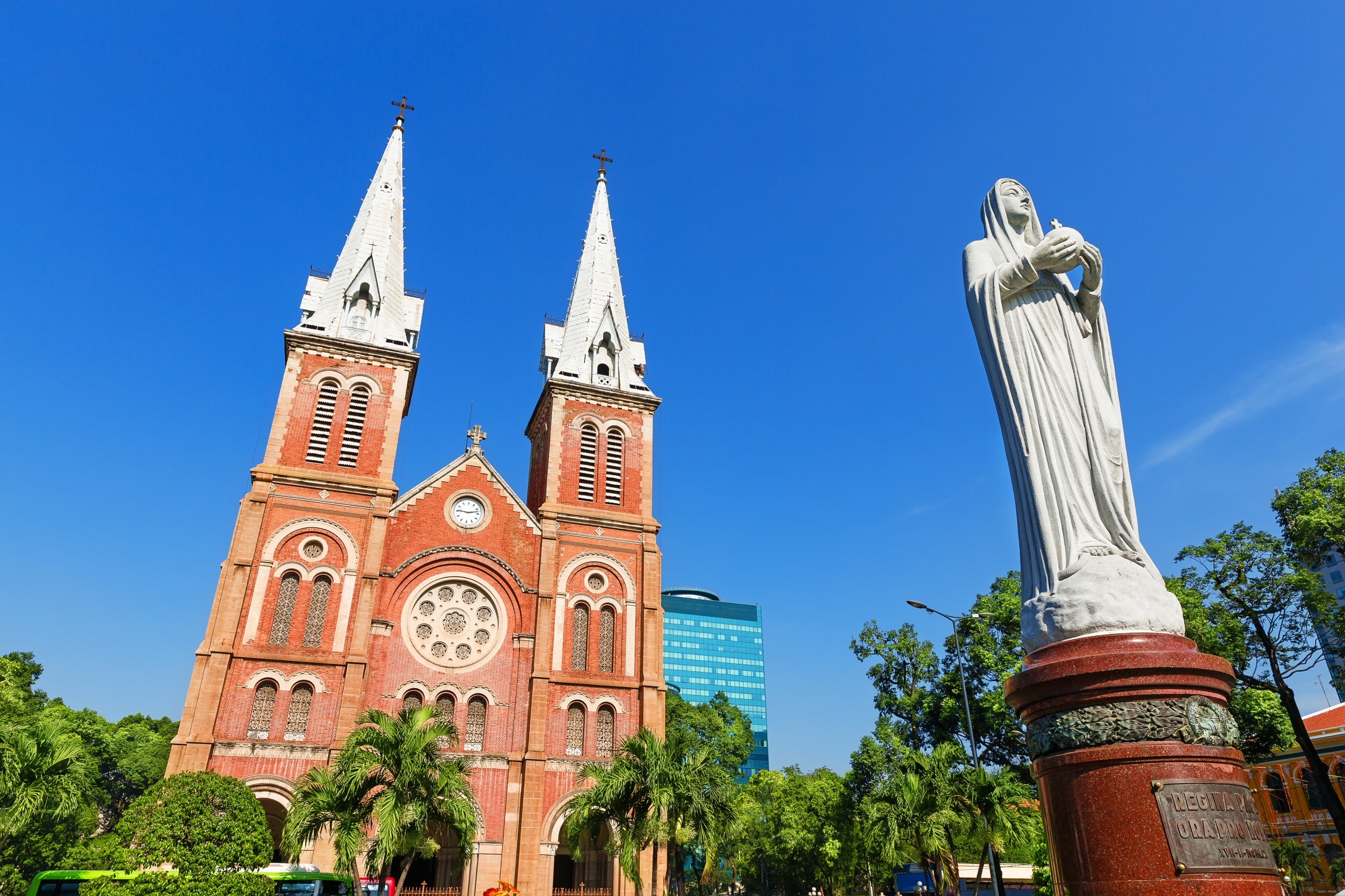
- The Notre-Dame Cathedral, the principal religious building from the French colonial era
- The Ho Chi Minh Museum, to place the city within the country's contemporary history
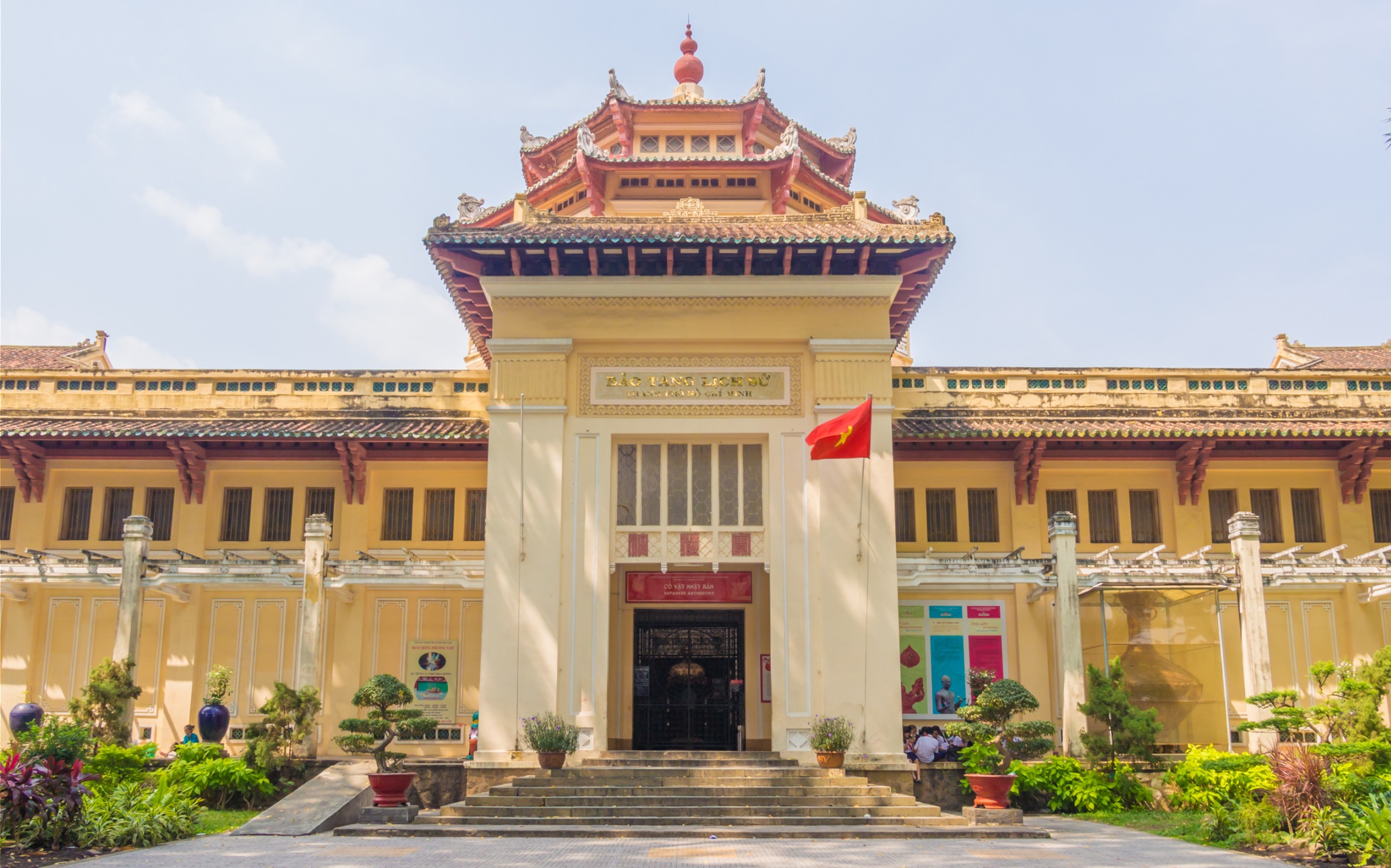
- The Botanical Garden and Zoo, a former colonial garden near the history museum
- For a full-day excursion outside the city: the Can Gio mangrove or the seaside resort of Long Hai
Planning your trip
Phung Son Pagoda naturally fits into an urban itinerary in Ho Chi Minh City, but it benefits from being combined with a broader exploration of southern Vietnam. To build a coherent journey around Saigon, the Mekong Delta, and ancient Funan sites, consult our customized Vietnam tours designed by our local specialists.
Nearby

Interested in this visit?
We can include it in your personalised itinerary.