Reunification Palace
Reunification Palace
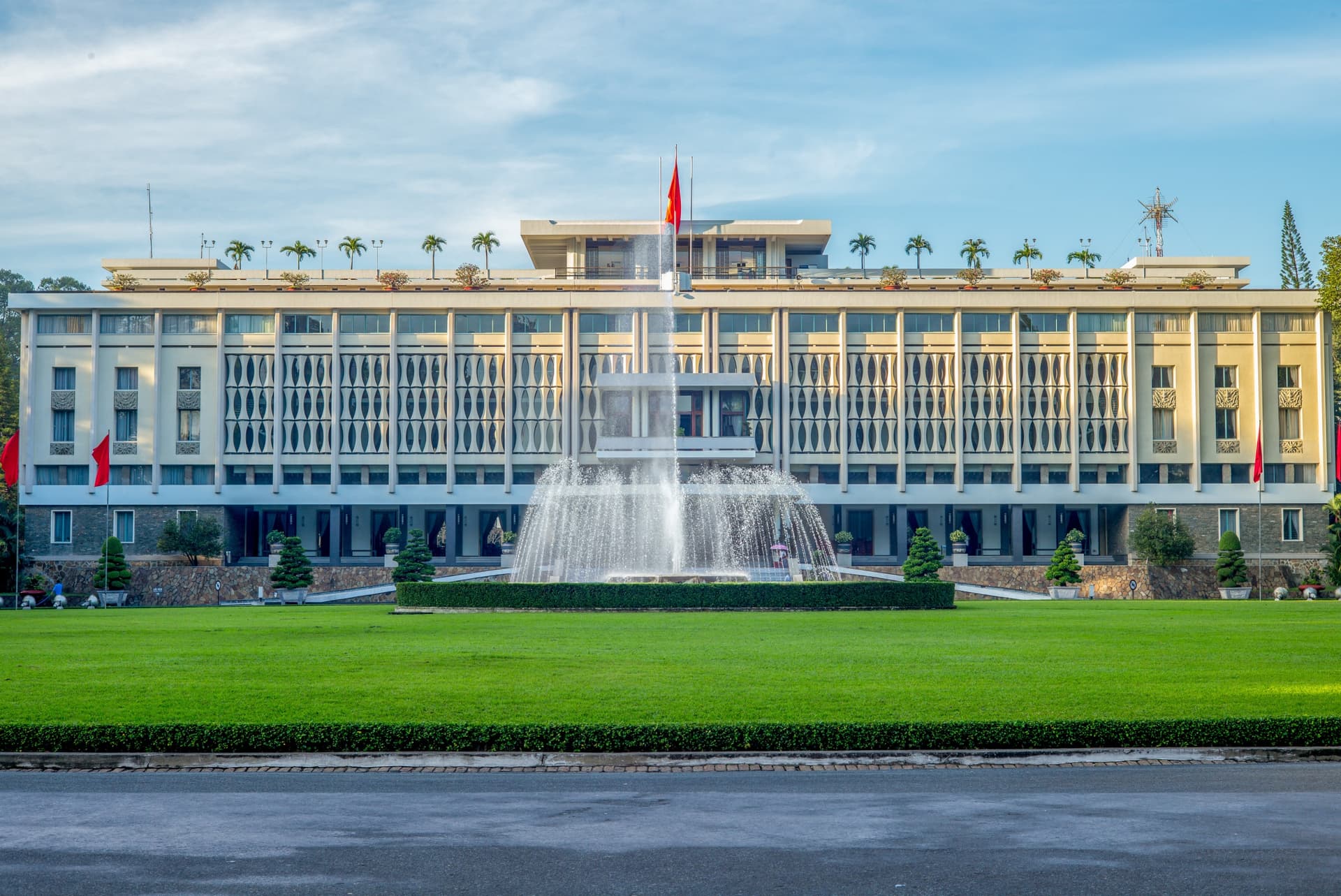
Symbol of the end of the Vietnam War on April 30, 1975, the Reunification Palace stands as a must-see in Ho Chi Minh City, from fortified basement to helipad roof.
At the heart of Ho Chi Minh City, the Reunification Palace is one of the most eloquent memory sites of contemporary Vietnam. Its modernist architecture from the 1960s and its role in the fall of Saigon in 1975 make it an essential stop for understanding the country's recent history.
Why visit the Reunification Palace
The building combines three distinct appeals. First, historical significance: this is where the Vietnam War came to an end on April 30, 1975. Next, architectural merit: the palace is a rare and well-preserved example of South Vietnamese tropical modernism, designed by architect Ngo Viet Thu, the first Vietnamese winner of the Grand Prix de Rome. Finally, museological richness: the spaces remain largely frozen in the state left by South Vietnam's last president, from reception halls to underground tunnels.
Allow 1 to 2 hours to explore all floors and the basement at your own pace.
History of the palace
Built starting in 1865, the original building was first called the Norodom Palace, then the Palace of the French Governor-General of Indochina under colonial administration. President Ngo Dinh Diem of Vietnam and his family lived here until 1954.
Severely damaged by bombing in 1963, President Diem ordered its demolition and the construction of a new modern palace spanning 4,500 square meters. The present building, completed in 1966, features a facade with rhythmic patterns evoking Chinese characters and a rooftop terrace integrated with a helipad.
April 30, 1975: The End of War
The image circled the globe. At dawn on April 30, 1975, as North Vietnamese vanguard tanks entered Saigon, they converged on this building, then called the presidential palace. An armored vehicle smashed through the gates, and a soldier jumped out and ran to hoist the Viet Cong flag on the balcony of the 4th floor. The scene officially sealed the fall of the South Vietnamese regime and the end of the conflict.
After liberation, the palace became the military administrative headquarters of Saigon, before hosting political consultations on national reunification. It was then renamed the Reunification Palace.
What to see inside
The tour unfolds across five levels and a basement, each dedicated to a specific function of South Vietnamese presidential power.
Ground floor and first floor
The ground floor houses the main conference hall, used for government sessions. On the first floor are the Phu Dau Rong reception hall (Phú Đầu Rồng), where South Vietnam's president received foreign delegations, a meeting room and an office reserved for the vice-president. At the rear are the private apartments of the presidential family.
Upper floors
The third floor features a game room, projection room and a terrace converted into a helipad, where a period helicopter is on display. The fourth floor includes a ballroom and casino, witnesses to the lifestyle of Saigon's elite in the 1960s-70s.
The basement and tunnels
The basement is perhaps the most striking part. It contains tunnels, a telecommunications center with period radio equipment and a command center where military maps were displayed. An underground passage leads to Gia Long Palace, today home to Ho Chi Minh City Museum.
Practical information
- Address: 135 Nam Ky Khoi Nghia, District 1, Ho Chi Minh City.
- Opening hours: Open daily, generally mornings and early afternoons, with a midday break. Verify hours before your visit.
- Admission: Moderate ticket price, payable on-site; additional fees may apply for certain temporary exhibitions.
- Duration: 1 to 2 hours depending on your interest in the historical aspects.
- Audio guide: Available in French and English; recommended to grasp the political context.
- Dress code: Smart casual required (shoulders and knees covered in certain official rooms).
How to get there
The palace is located in District 1, about a 10-minute walk from Notre-Dame Cathedral and the Central Post Office, and 15 minutes from Ben Thanh Market. From anywhere in the center, a taxi or ride-share (Grab) is inexpensive and rarely takes more than a quarter hour outside rush hour. Urban buses 03, 04 and 36 serve the area around the park surrounding the palace.
Nearby attractions
The neighborhood concentrates several complementary sites for a day devoted to history and architecture:
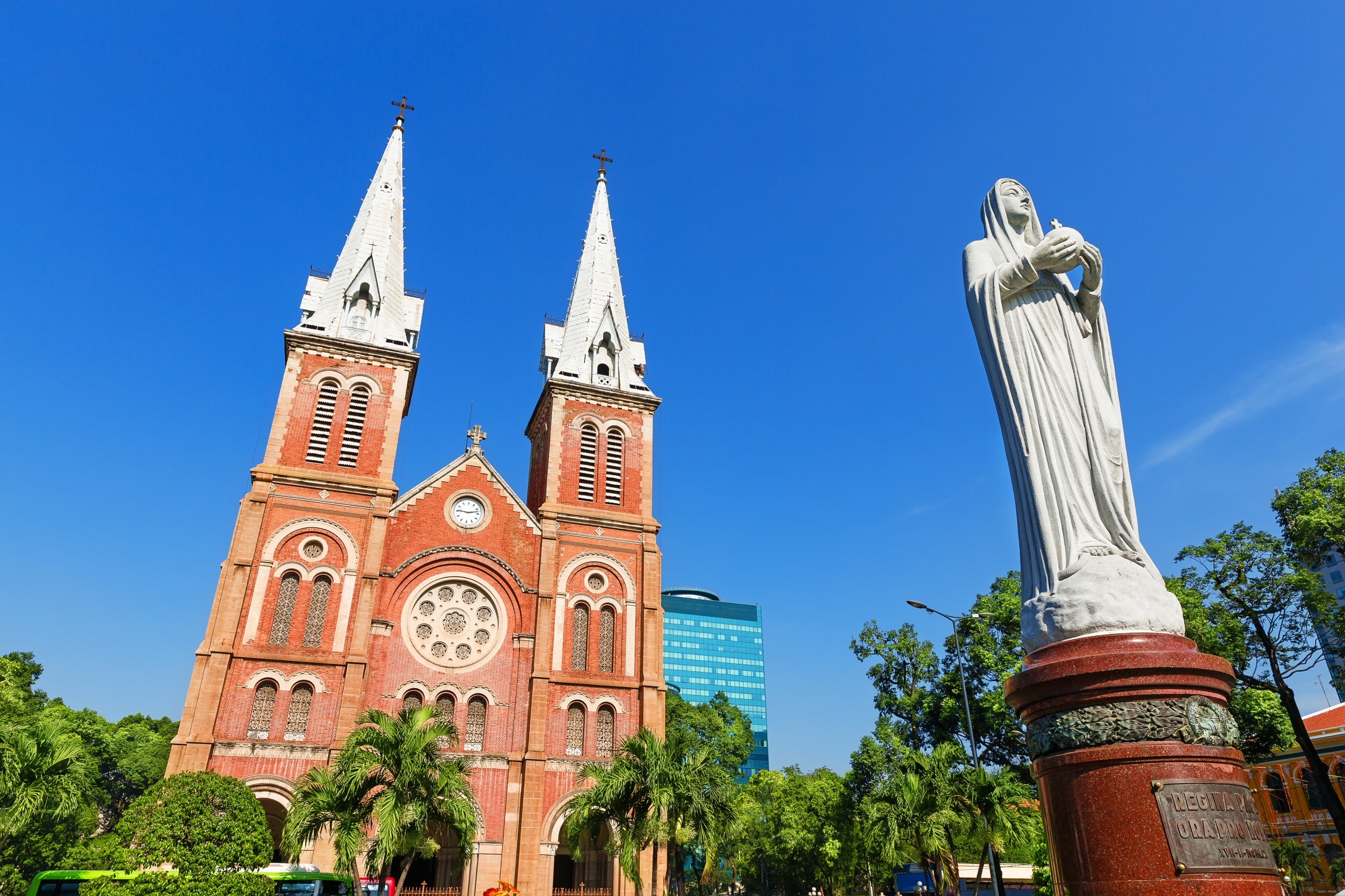
- The Notre-Dame Cathedral, just a few streets away, exemplifies French colonial architecture.
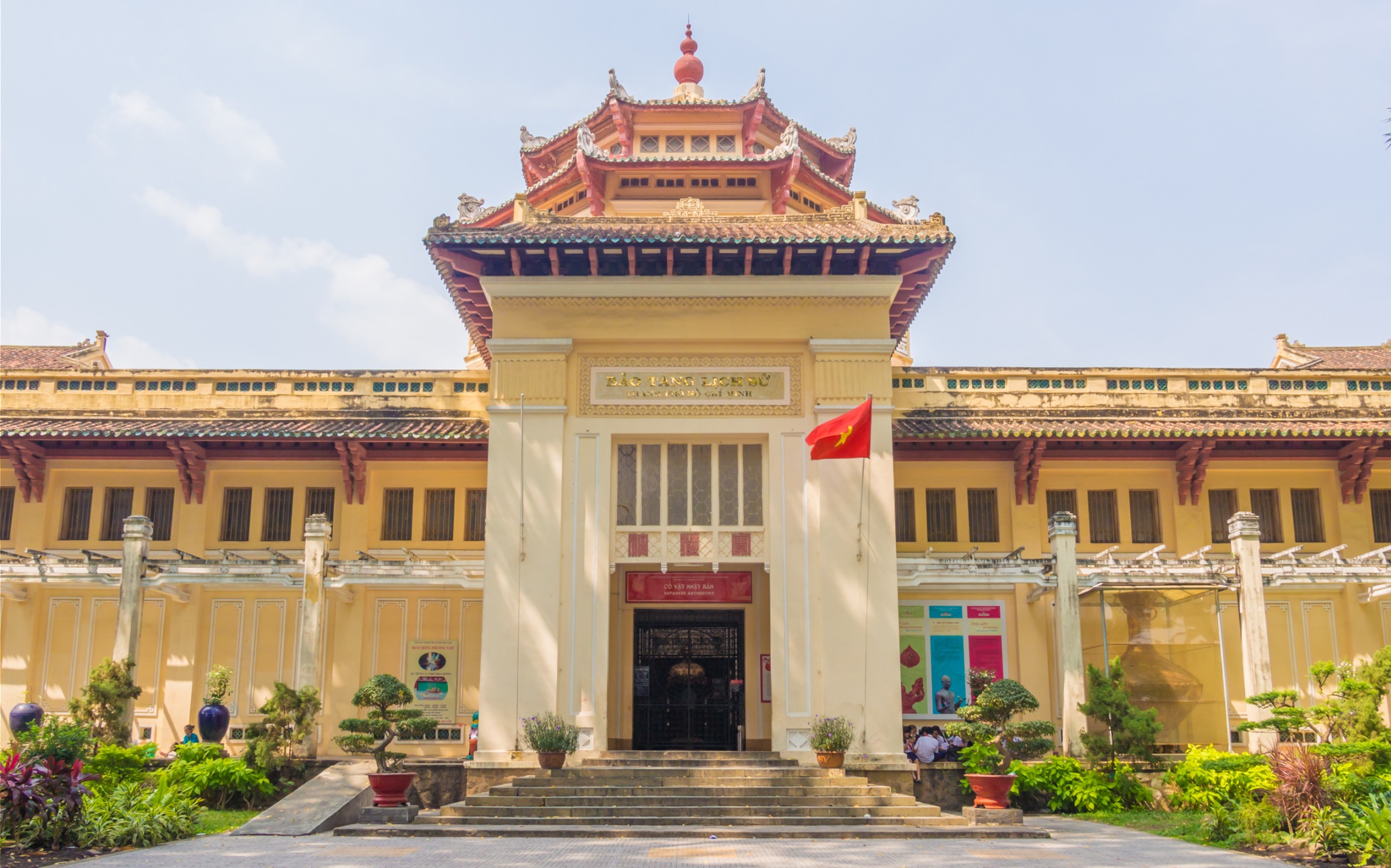
- The Ho Chi Minh Museum extends your understanding of Vietnamese revolutionary history.
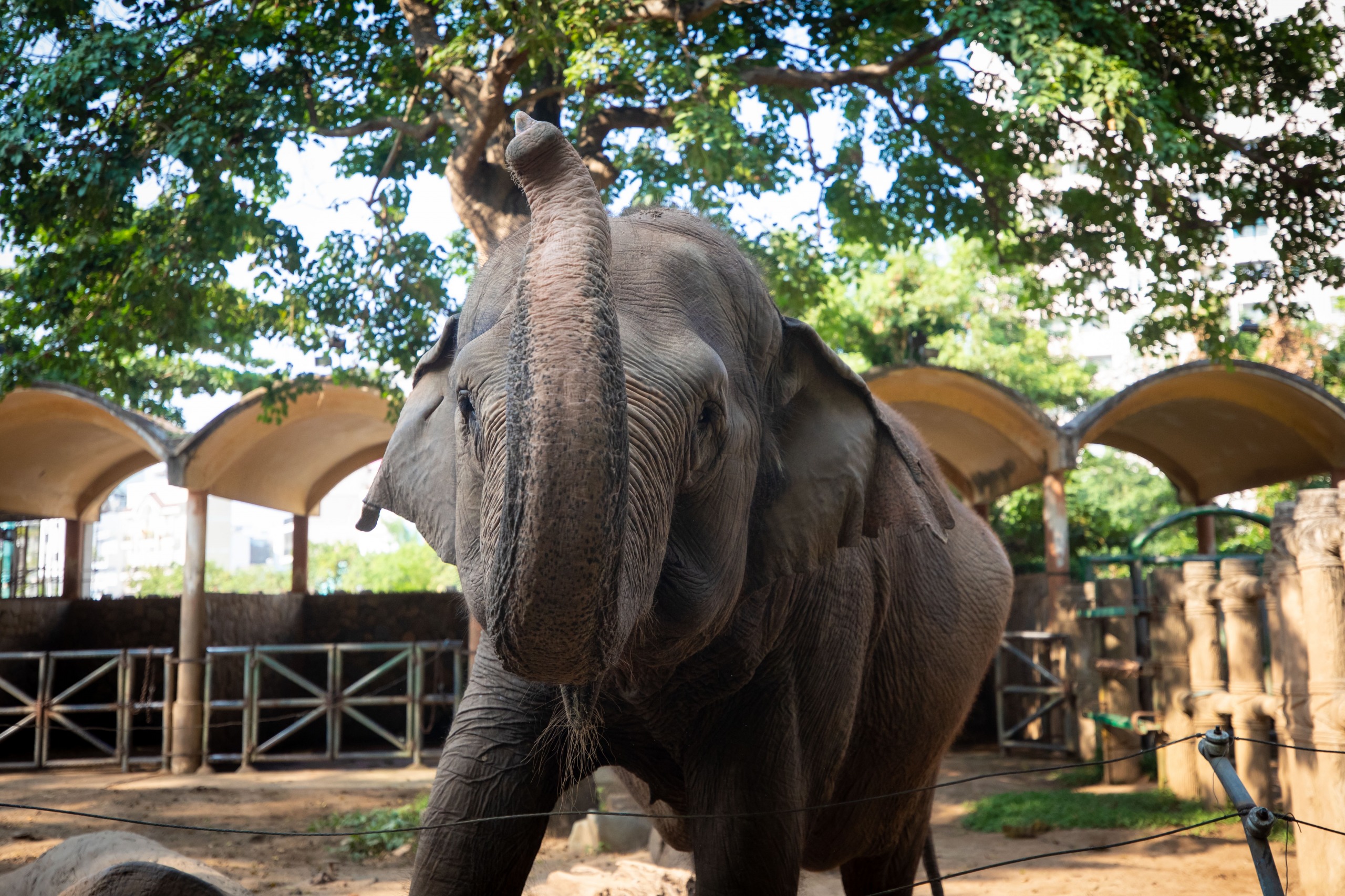
- The botanical garden and zoo offers a green break east of District 1.
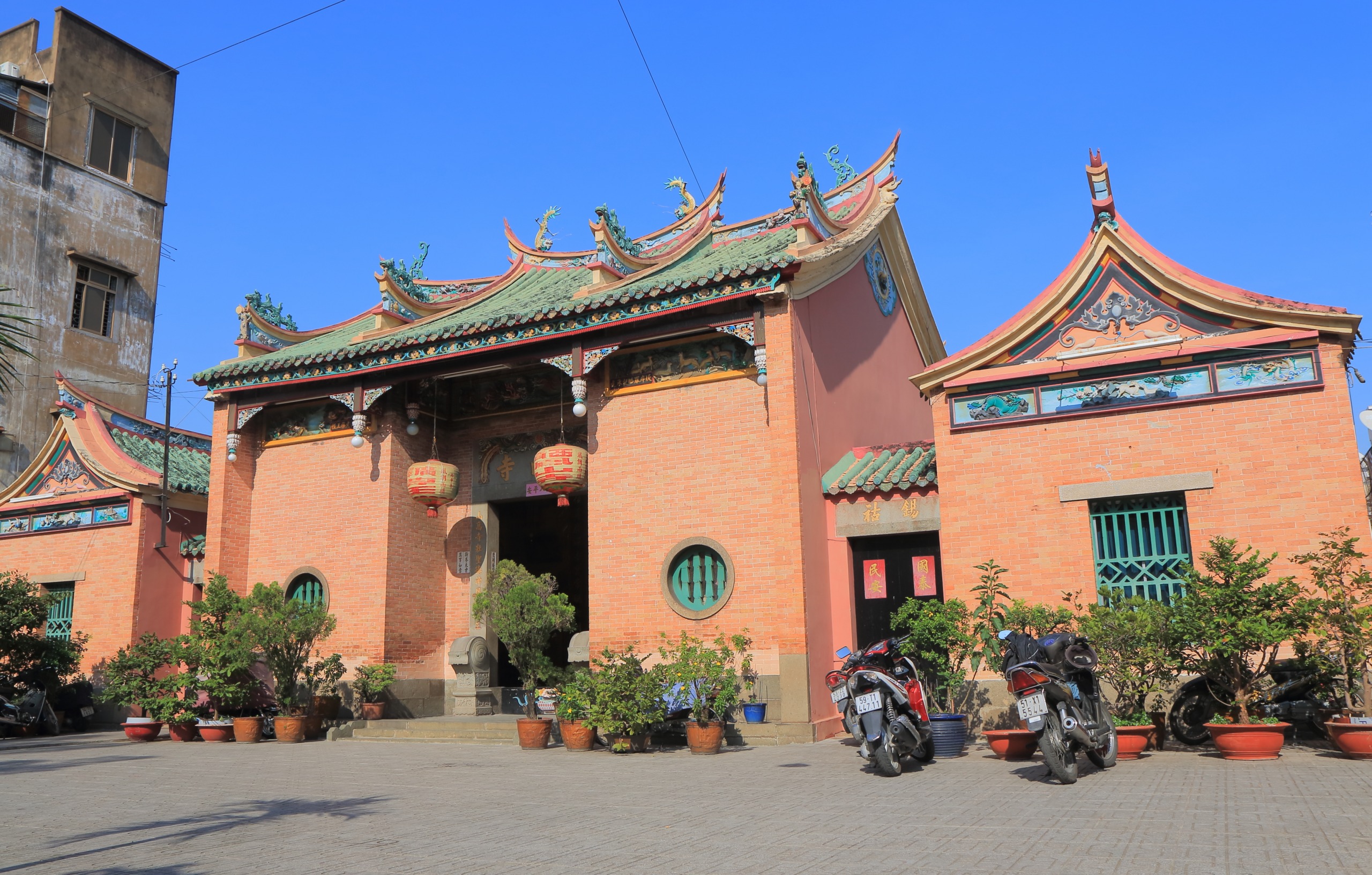
- The Phung Son Pagoda, further afield, rounds out a day devoted to the city's religious and political heritage.
Frequently asked questions
Frequently asked questions
Plan for 1 to 2 hours to explore the five levels and basement. History enthusiasts, especially those interested in military history, may spend a half-day here.
Yes. The information panels are translated and an English-language audio guide is typically available at the entrance. English-speaking guided tours can be arranged through your travel agency.
Photography is permitted in most rooms without flash. A few basement areas may be off-limits; follow the signage on-site.
The palace can be visited year-round since it is indoors. Visit in the morning to avoid group crowds and afternoon heat.
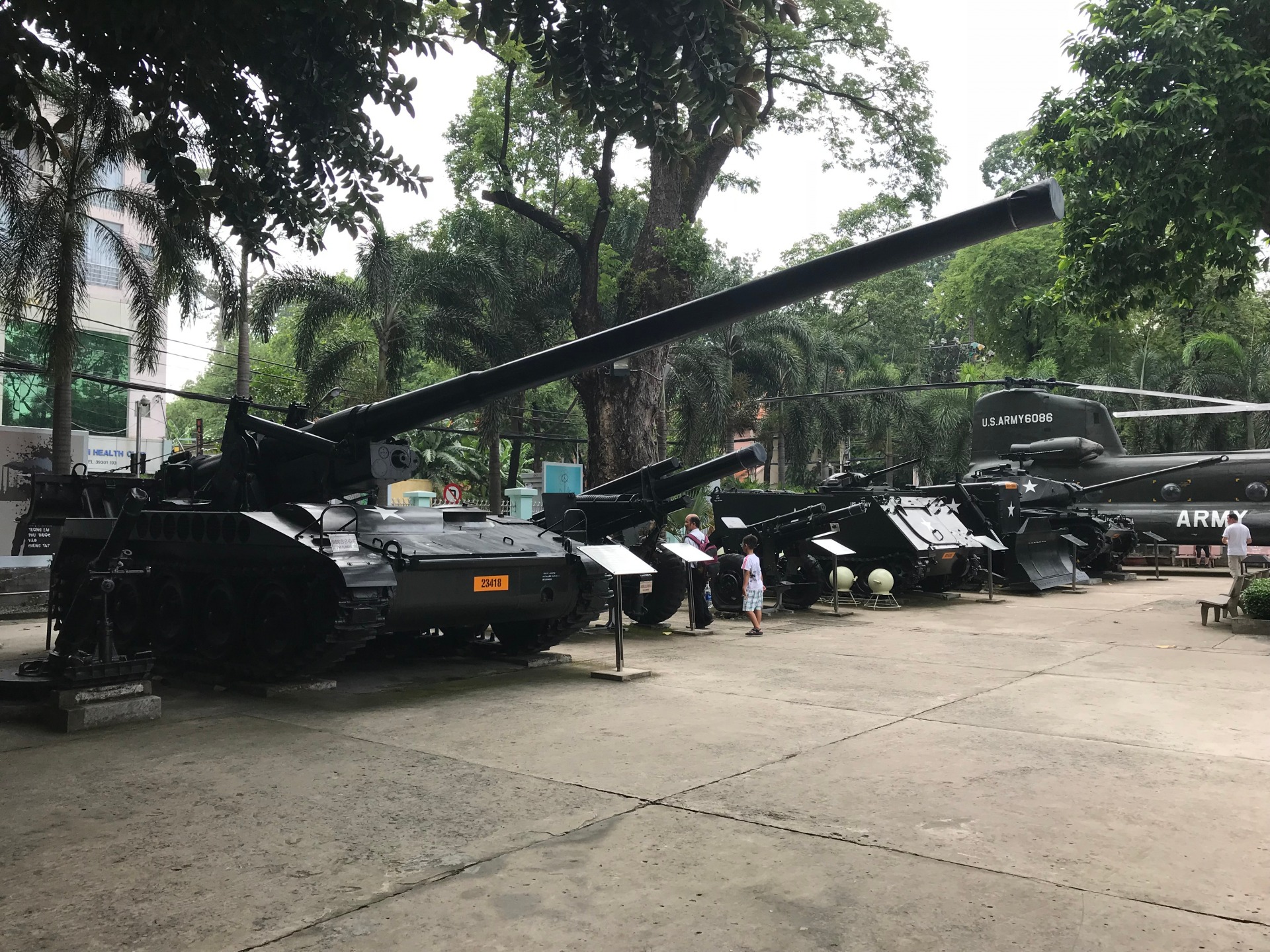
Yes, especially the basement tunnels, the helicopter on the roof and the tanks displayed in the park, which easily capture their attention.
Including the Palace in your trip
The Reunification Palace fits naturally into a day exploring District 1, alongside colonial sites and the city's museums. To build a custom itinerary including Ho Chi Minh City and other major destinations across the country, explore our Vietnam travel packages.
Nearby

Interested in this visit?
We can include it in your personalised itinerary.