Phap Lam Pagoda
Phap Lam Pagoda
Located 3 km from Da Nang city center, Phap Lam Pagoda (1934) serves as the headquarters of the local Buddhist council. Architecture, Tet ceremonies and humanitarian engagement.
Situated 3 km from Da Nang's city center, Phap Lam Pagoda is an active Buddhist center occupying a 3,000 m² plot in the Nam Duong district. Home to the local Buddhist council's headquarters, it combines religious purpose, social commitment and thoughtful architecture. Its shaded courtyard and yellow-hued buildings make it a serene stopover just a few streets away from the bustling thoroughfares of Hai Chau district.
Why visit Phap Lam Pagoda
Unlike the region's major tourist sites such as the Marble Mountains or Linh Ung Pagoda, Phap Lam remains primarily frequented by Vietnamese devotees. Here you observe monastic life without artifice: daily prayers, classes for neighborhood children, meal distributions. The pagoda also plays a recognized humanitarian role in Da Nang, with regular relief efforts for disaster victims and support for vulnerable families. For travelers interested in contemporary Vietnamese Buddhism, it's a rare and accessible vantage point.
History of Phap Lam Pagoda
Construction began in 1934, initiated by the An Nam Buddhist Association of Da Nang. The building was originally named the "Da Nang Buddhist Association Pagoda" and served as a rallying point for the city's practicing community, at a time when Vietnamese Buddhism was seeking to strengthen itself against French colonial pressure. Architect Dang Cao De designed the plans in a style blending Chinese and Vietnamese architectural codes.
In 1970, the building was renamed "Phap Lam Pagoda." The site gradually became the headquarters of the local Buddhist council and a religious teaching center for the region. Today, it houses resident monks, organizes training sessions and participates in the spiritual life of the entire province.
What to see on-site
Architecture and outdoor spaces
The main buildings are recognizable by their yellow tones, which contrast with the green of the interior courtyard. On the roofs, sculpted dragons recall classical Asian Buddhist iconography: protection of the dharma, the link between heaven and earth. The ornaments are elaborate without being garish, and the bas-reliefs deserve a few minutes of observation.
The prayer hall
At the heart of the pagoda, the main hall houses a 1.1 m tall Buddha statue, surrounded by other Buddhist representations. The atmosphere is contemplative, especially during morning and evening prayers. Note: photography is prohibited in this hall. This rule is strictly enforced, out of respect for devotees in meditation.
Ceremonies
The pagoda takes on special significance during Tet, the Vietnamese lunar New Year. Ceremonies then attract many devotees who come to pray for the new year, burn incense and offer fruit. Vesak (Buddha's birthday) and Vu Lan (the Buddhist equivalent of All Saints' Day) celebrations are also major highlights in the calendar.
Practical information
Address: 574 Ong Ich Khiem Street, Nam Duong District, Hai Chau District, Da Nang.
Hours: open daily, during daytime and early evening. The best times to visit are early morning or late afternoon, when the light is soft and visitor numbers low.
Admission: free entry. A donation in the collection box provided is appreciated if you wish.
Dress code: shoulders and knees covered, as in any Vietnamese Buddhist place of worship. Remove your shoes before entering interior halls.
Behavior: speak in low tones, don't interrupt devotees or monks in prayer, don't point at statues. Allow 30 minutes to 1 hour for your visit.
How to get there
- On foot: from the Dragon Bridge or Cham Sculpture Museum, allow 20 to 30 minutes' walk.
- By taxi or Grab: quick ride from most downtown hotels, at a modest cost.
- By motorbike: from the Son Tra or Ngu Hanh Son districts, expect 3 to 8 km. Rentals are readily available at most hotels and local agencies.
- By bus: several urban lines serve the Hai Chau district.
- From the Son Tra Peninsula: approximately 18 km, or 30 minutes by private vehicle.
Nearby attractions
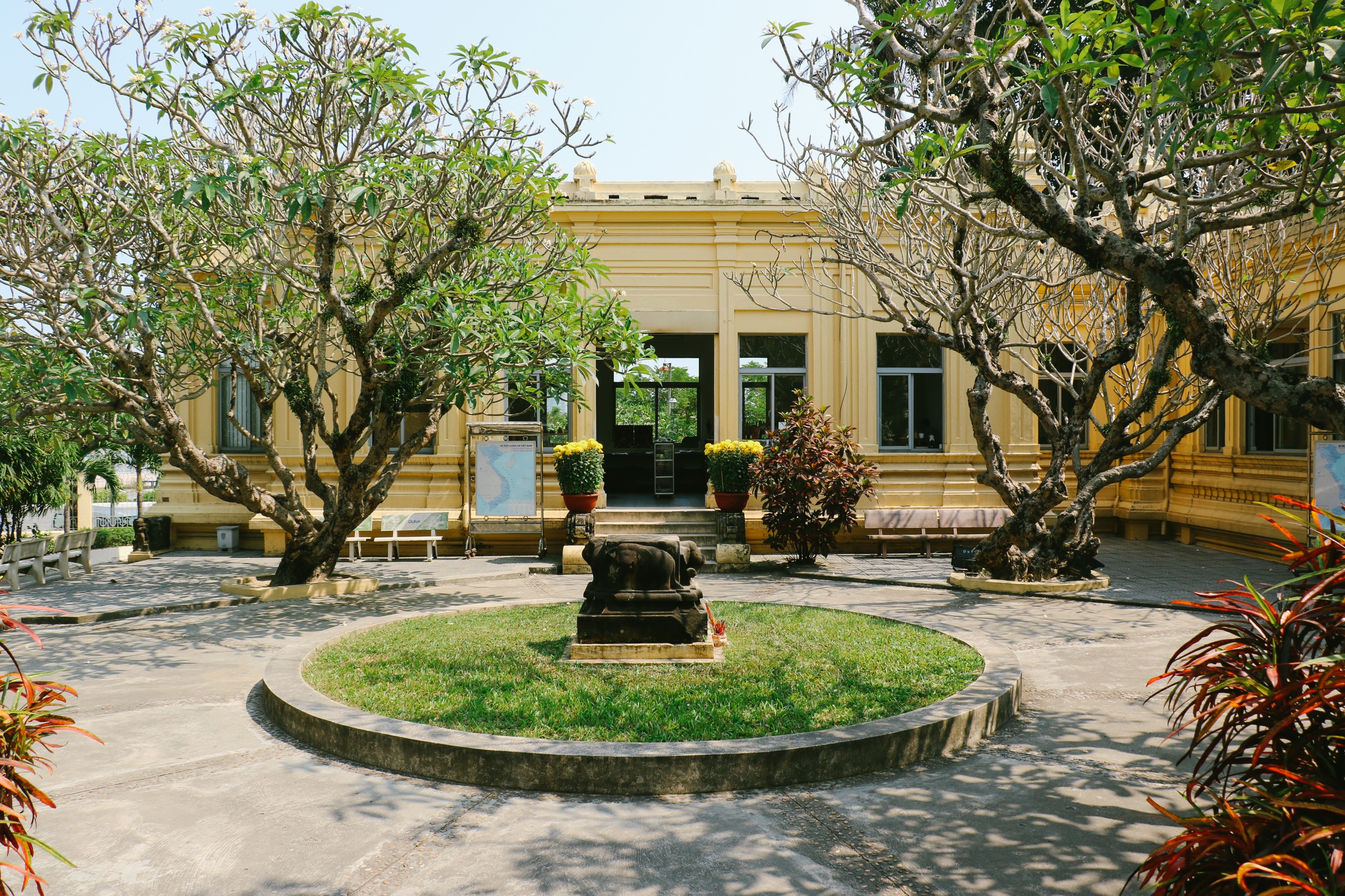
- The Cham Sculpture Museum: a few minutes by taxi, it houses the world's largest collection of Champa art.
- Bat Nha Pagoda: in the same district, refined white-dominated architecture.
- Cho Con Market: large traditional covered market, a great spot for street food and souvenirs.
- Bridge of Love and Dragon Bridge: best seen in late afternoon, when lights illuminate the Han River.
- Tam Bao Pagoda: another place of worship in the city, interesting for comparing architectural styles.
Frequently asked questions
Frequently asked questions
Yes, entry is free. Donations are voluntary and deposited in collection boxes provided within the grounds.
The pagoda occasionally offers meditation sessions and Buddhist teachings. These are primarily aimed at the local community and conducted in Vietnamese. Inquire on site: a warm welcome is extended to respectful visitors who wish to attend in silence.
Clothing covering the shoulders and extending below the knees is expected. Avoid tank tops, short shorts and tight-fitting outfits. Shoes are removed upon entering the prayer halls.
Photography is permitted in the courtyard and outdoor areas, but strictly prohibited in the main hall, where prayers and meditation take place.
Including Phap Lam in your trip
Phap Lam Pagoda fits easily into a day of discovery in central Da Nang, between the Cham Museum, the Han River and the markets of Hai Chau district. To plan your itinerary and combine this cultural stop with other highlights of the country, consult our suggestions for tailor-made Vietnam trips on Sawa Discovery.
Nearby
Interested in this visit?
We can include it in your personalised itinerary.