Dalat
Dalat
Nestled in the Central Highlands, Dalat blends cool mountain air, colonial heritage and striking mid-altitude landscapes. Our guide to discovering it well.
129,400 inhabitants
Once dubbed "Little Paris," Dalat is the honeymoon capital par excellence, occupying a region scattered with lakes, waterfalls, orchards and forests. The mild climate and natural beauty made it the premier mountain resort destination in southern Vietnam. Though the area has been inhabited since ancient times by highland ethnic minorities, Dalat owes its modern reputation to Alexandre Yersin, who recommended to the government that a sanatorium be built on the present site. The station quickly gained popularity, especially among Europeans eager to escape Saigon's oppressive heat—often to hunt big game: bears, panthers, elephants, tigers, deer and wild boar. The town was named Da Lat, meaning "river of the Lat people" in the local language. Beyond tourism, a robust agricultural sector has made the region one of the country's premier vegetable and horticultural centers, earning it international recognition. In recent years, this prosperity has spurred the emergence of a high-tech sector focused mainly on biotechnology. Temperatures average between 15–24°C year-round, with a dry season stretching from December through March. Sunshine prevails most of the time, even during the rainy season from April to November.
Xuan Huong Lake
This artificial lake at the city's heart, named after a 17th-century Vietnamese poet, was created in 1919 when a dam was constructed. The water's calm surface mirrors the surrounding hills like polished glass.
Dalat Market
Located at the city's center, Dalat Market ranks among Vietnam's most fascinating. An incredible variety of vegetables, fruits and flowers—all cultivated locally—fills its stalls.
Vuon Hoa Dalat Flower Gardens
Created in 1966 and meticulously maintained, Vuon Hoa Dalat gardens form a pastoral symphony where orchids, roses, hydrangeas and fuchsias rival one another in beauty. Over 300 varieties thrive here, with a hundred in bloom year-round. A unique fragrance drifts through the pathways.
Valley of Love
Students dethroned the emperor: while Emperor Bao Dai had named it "Valley of Peace," young people gave it the tender name Thung Lung Tinh Yeu, Valley of Love. Some 5 kilometers from Xuan Huong Lake, pretty hills planted with pines and flower gardens rise around a smaller lake.
Old Quarter
The historic district houses dozens of sumptuous villas, painstakingly restored or in the process of restoration. Frozen in time, they stand as remarkable testament to the city's former allure.
Dalat Golf Club
Situated at the city's center, this 18-hole international-standard course opened in early 1994. It forms a verdant oasis on gently sloping hills along the northern shore of Xuan Huong Lake. Discerning golfers will appreciate its refined design and the charm of the surrounding landscape.
Governor General's Residence
This former residence of the French Governor General, with 25 rooms furnished in their original style, was built in 1933.
Bao Dai Summer Palace
Emperor Bao Dai's summer palace, completed in 1933, crowns a hill overlooking the city. Surrounded by pine forests and flower gardens, the mansion remains in its original condition. A small museum showcases objects linked to events during the emperor's reign until 1926. A life-size bust of the emperor presides over the library in his office. Private quarters on the upper floor are also open to visitors.
Dalat's mild climate made it one of the country's premier university centers in the era before air conditioning. Founded in 1957, the university now welcomes over a thousand students from central and southern Vietnam.
Dalat Cultural Center
The former French lycée has been converted into a cultural center offering music lessons in piano, violin, clarinet, saxophone and other instruments.
Crazy House
This utterly unique house hosts an art gallery. With its caves, artificial tree trunks and cobwebs, it's thoroughly surprising.
Lam Ty Ni Pagoda
Built in 1961, Lam Ty Ni Pagoda features a beautiful portico and shaded pathways winding through superb flower gardens. A notable curiosity: thousands of artworks displayed throughout, created by monk Vien Thuc.
Thien Chu Pagoda
Elevated in 1938 just before a garden planted with tea and coffee plants, this pagoda houses a bronze and gold bell. About fifteen monks reside here.
Dalat Cathedral
Construction of Dalat Cathedral spanned 1931–1942 in European style, featuring tall stained-glass windows.
Vietnamese Evangelical Church
The Vietnamese Evangelical Church is the city's principal Protestant temple. It was constructed in 1940.
Thien Vuong Pagoda
Built in 1958 by the Chaozhou congregation atop a pine-covered hill, Thien Vuong Pagoda comprises three wooden buildings housing three large sandalwood statues representing Thich Ca Buddha (historical Buddha), Quan The Am Bo Tat (Goddess of Mercy) and Dai The Chi Bo Tat (attendant of A Di Da), along with gilt wooden statues of Ho Phap and Pho Hien.
Chinese Pagoda
This Chinese Buddhist pagoda was erected in 1962 by the Cantonese Chinese congregation. Inside stands a statue of Quan The Am Bo Tat amid decorations featuring lotus flowers.
Attractions in Dalat
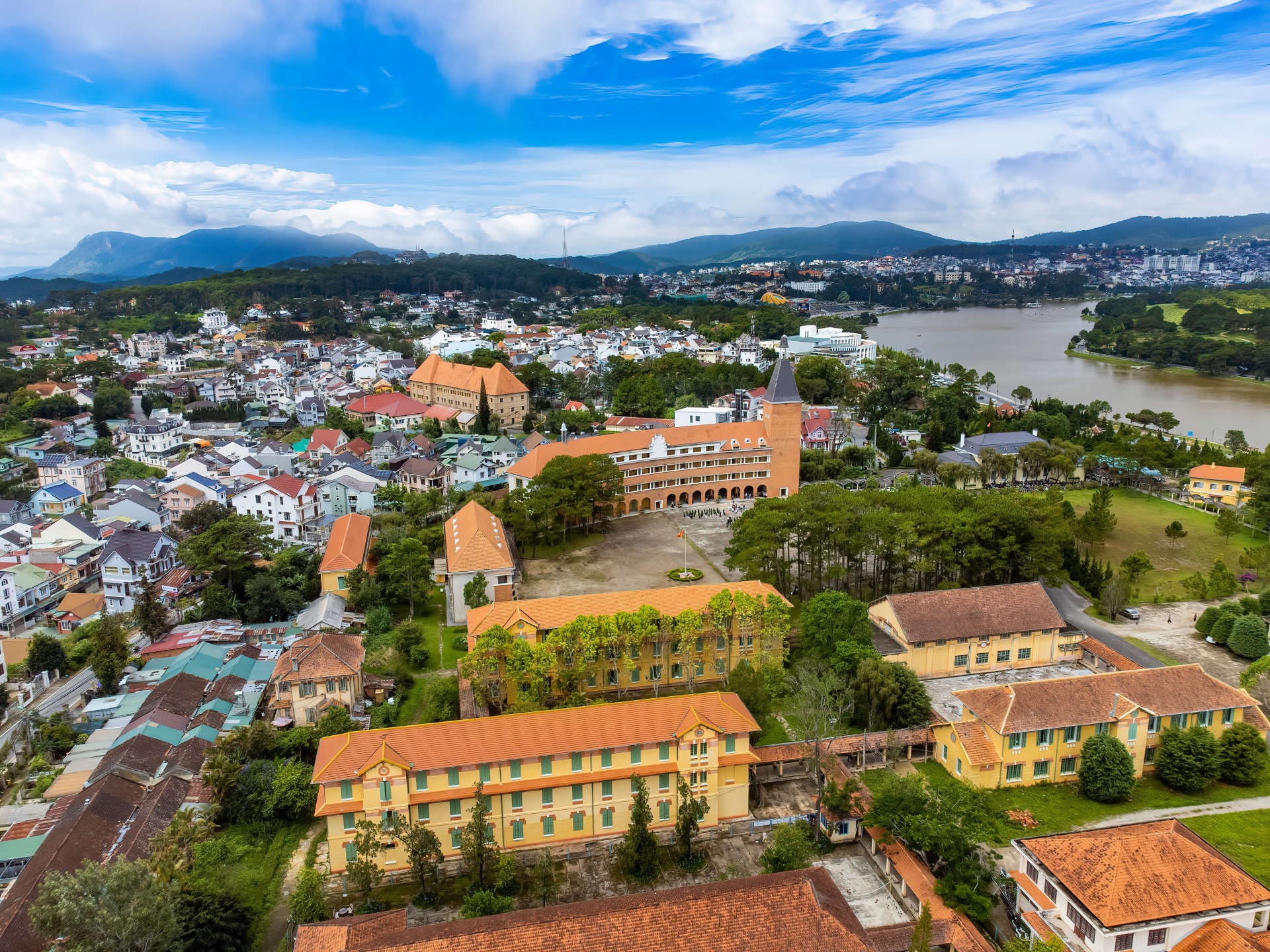
L’Université de Dalat
Campus de 40 hectares fondé en 1957 sur un ancien terrain militaire colonial : briques rouges, tour suisse et vues sur Dalat depuis le plateau de Lâm Viên.
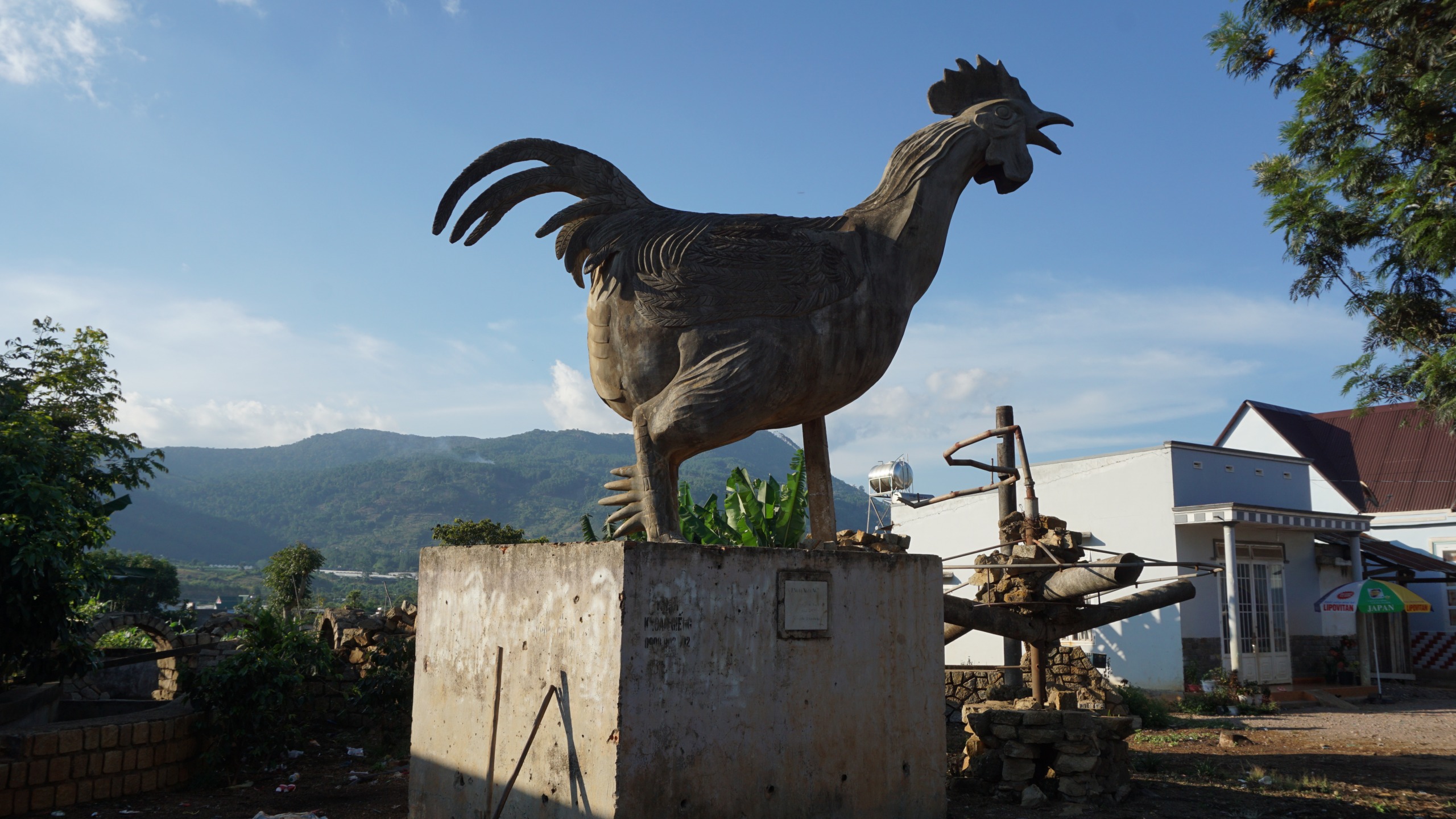
Village du Poulet
À 20 km de Dalat, le village du Poulet de l'ethnie Koho conserve une légende d'amour tragique symbolisée par une statue monumentale au centre du hameau.
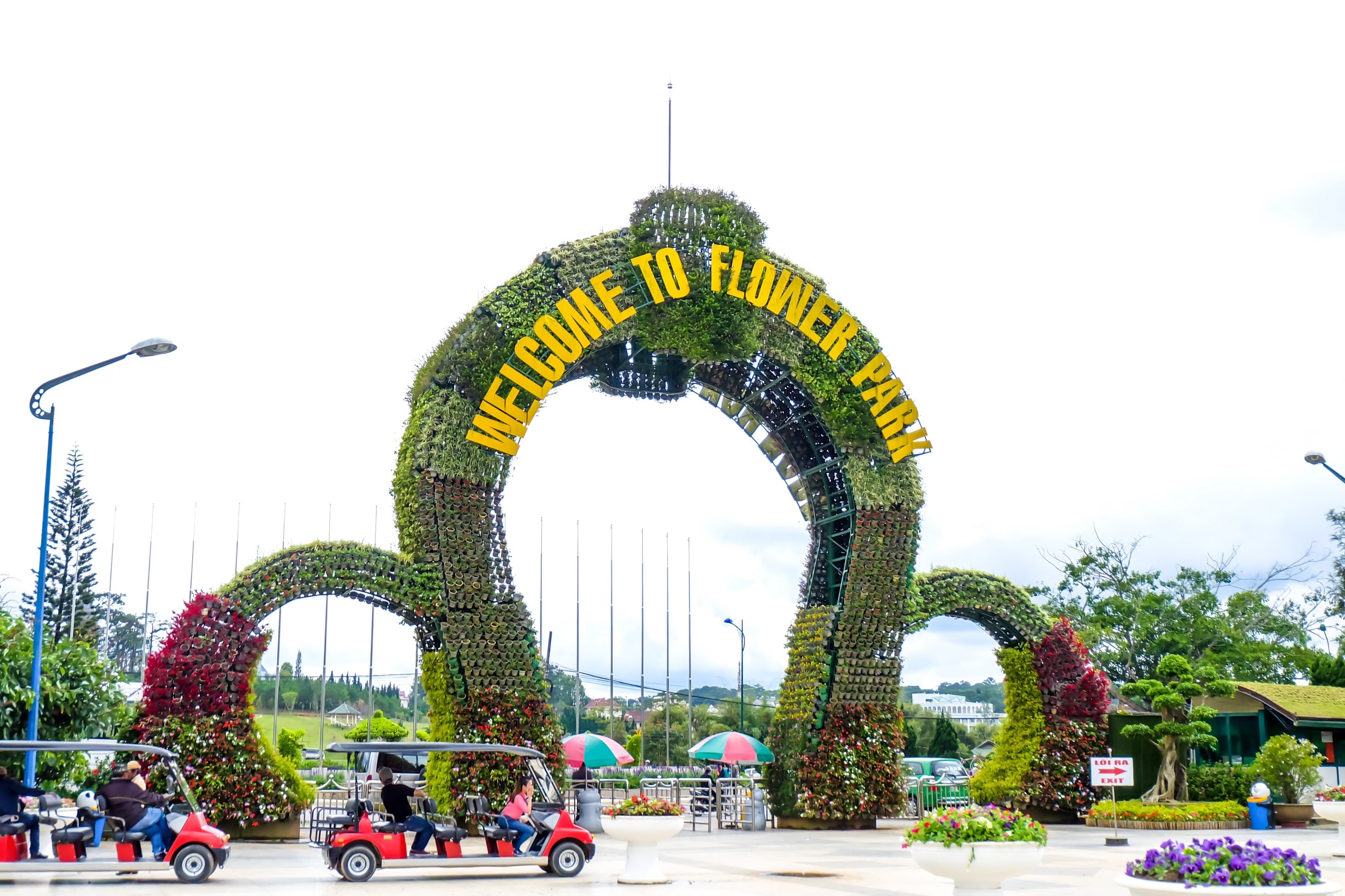
Les jardins de Dalat
Sur les rives du lac Xuan Huong, le parc floral de Dalat rassemble roses, orchidées et mimosas dans un jardin paysager créé en 1966 et restauré en 1986.
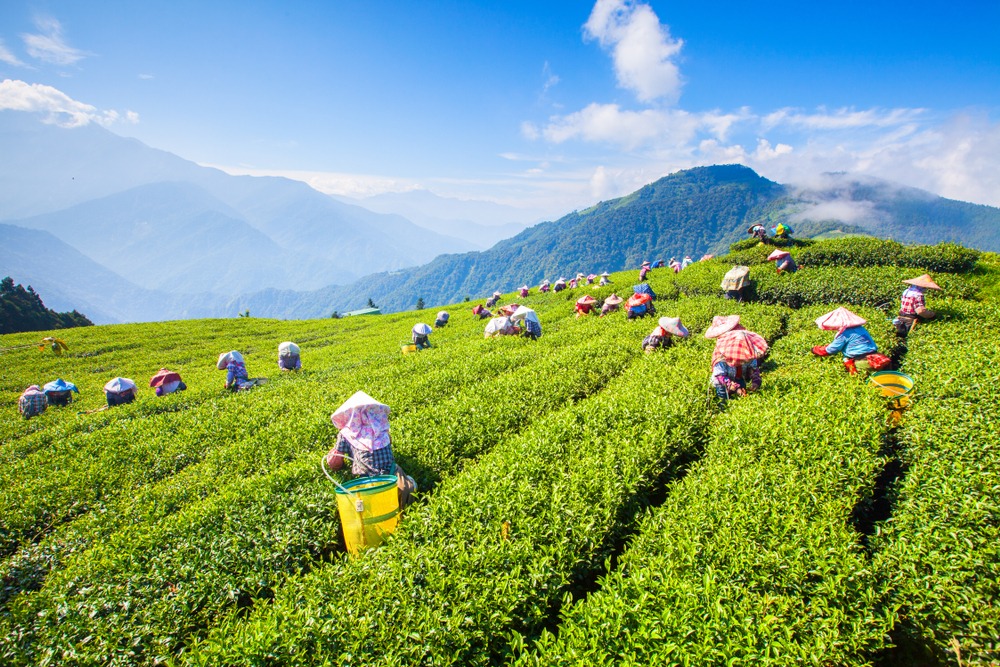
La fête du thé en décembre à Da Lat et ses environs
Tous les deux ans en décembre, Da Lat et la province de Lam Dong célèbrent leur filière du thé : concours de cueillette, expositions, dégustations et visites de plantations.
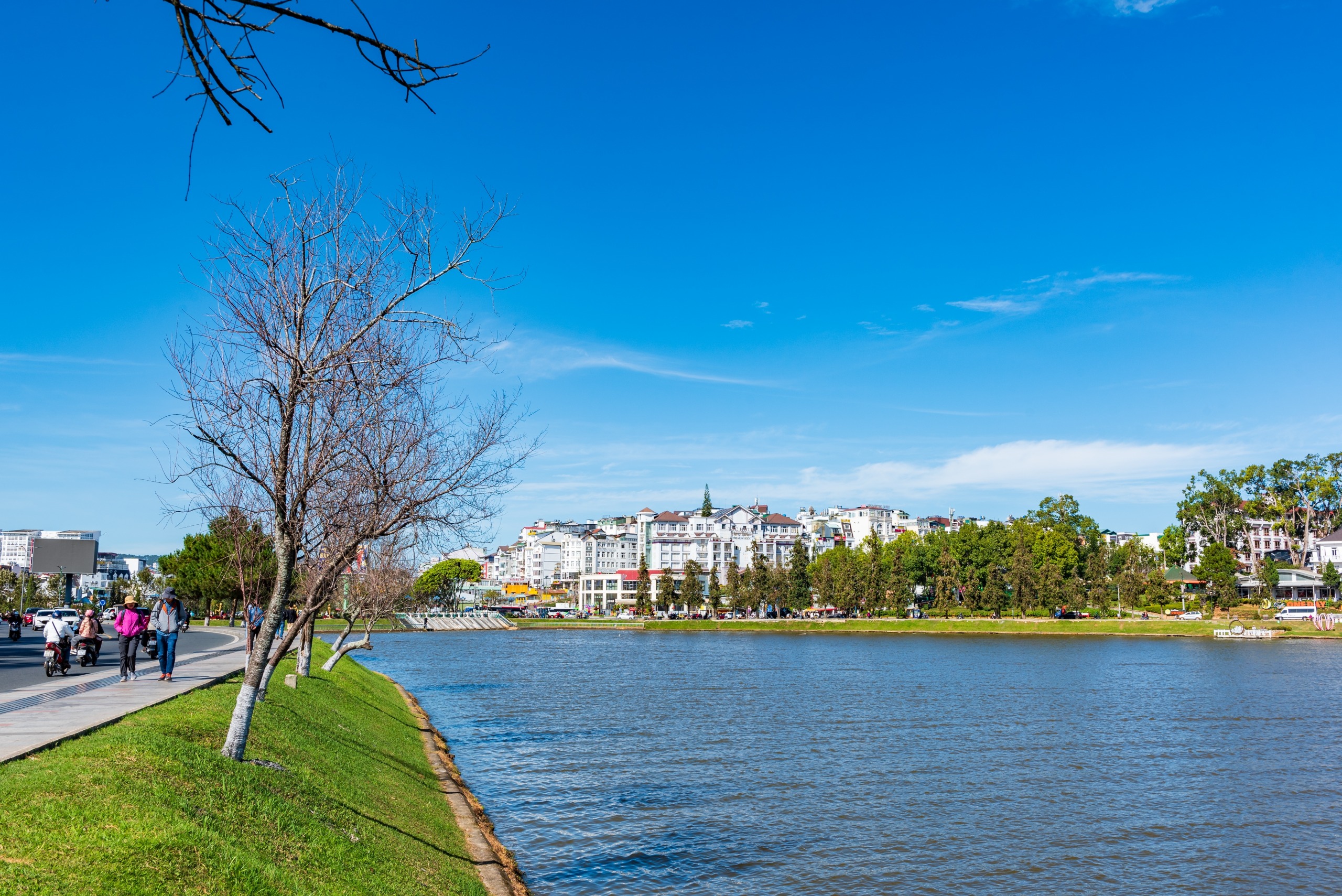
Xuan huong lake
Au centre de Dalat, le lac Xuan Huong déroule six kilomètres de berges plantées de pins et de cerisiers. Histoire, activités et conseils pour la visite.
Want to discover this destination?
Our local advisors design your tailor-made trip.