Notre-Dame Cathedral
Notre-Dame Cathedral
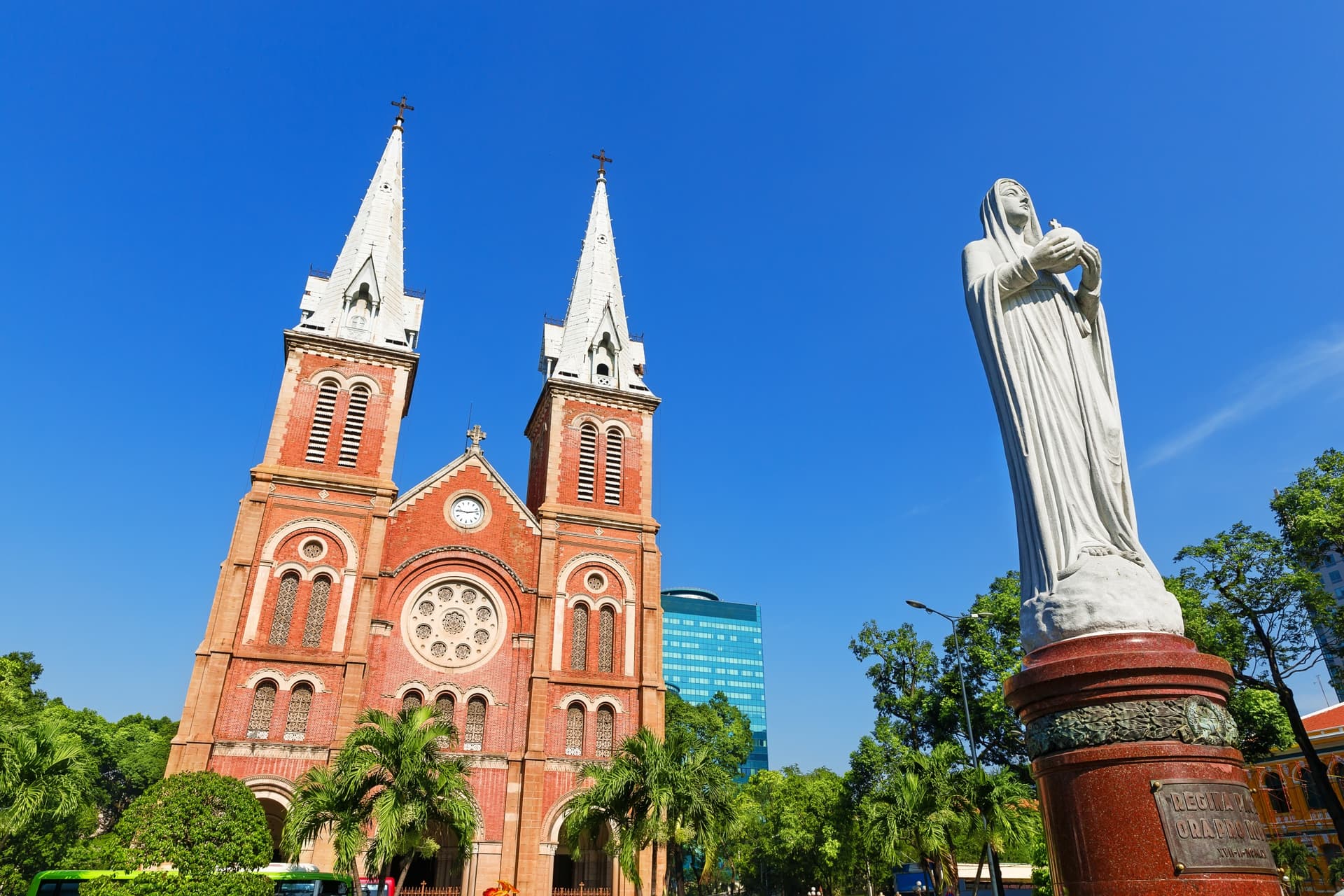
Built between 1877 and 1883 in the heart of Saigon, Notre-Dame Cathedral is a major landmark of French colonial architecture in Vietnam.
The Notre-Dame Cathedral of Saigon, officially the Minor Basilica-Cathedral of the Immaculate Conception, stands with its two red-brick bell towers at the center of Ho Chi Minh City's administrative district (the former Saigon). Built in the late 19th century by French colonial authorities, it remains one of the most recognizable architectural landmarks in southern Vietnam and an active place of worship for the local Catholic community.
Why visit Notre-Dame Cathedral of Saigon
Three main reasons warrant a stop at Paris Square, where the building stands:
- A testament to the colonial past: the cathedral is part of an urban ensemble designed in the French style, alongside the Central Post Office designed by the workshops of Gustave Eiffel and the Municipal Opera.
- A rare Neo-Romanesque architecture in Southeast Asia: bricks imported from Marseille, stained glass originally from Chartres, and metal spires added in 1895 give it an unusual silhouette in the Vietnamese landscape.
- A practical starting point: its central location makes it an ideal landmark for exploring District 1 on foot.
A history linked to the foundation of colonial Saigon
The building was erected between 1877 and 1883 in the center of Saigon's ministerial district, then capital of French Cochinchina. The work was carried out according to the plans of French engineer Baurad, who opted for a Neo-Romanesque style characterized by round arches, massive proportions, and exposed brick facing.
The structure features two bell towers 40 meters high, topped with metal spires added about a dozen years after its inauguration. On the square, a marble statue of the Virgin Mary, imported from Rome in 1959, faces the avenue that stretches toward the Reunification Palace.
The church long served as the cathedral of the Saigon Diocese before being consecrated as the Basilica of Saigon on December 7 and 8, 1959, with Vatican approval. It has since held the official title of minor basilica. The statue of the Virgin Mary received particular attention in 2005, when worshippers reported seeing tears on it: the event attracted considerable crowds and remains discussed locally.
What to see on site
The exterior and bell towers
The main facade, facing northeast, can be seen from Paris Square. The red bricks, left unplastered since the beginning, have retained their original hue. The two towers frame a central rose window and extend into the metal spires that bring the total height to nearly 60 meters.
The statue of the Virgin Mary
Positioned on the square, the statue has become the unofficial meeting point of the district. Sculpted from a single block of Carrara marble, it was transported by ship from Italy.
The interior (subject to accessibility)
The interior houses a three-aisled nave, partially reconstructed stained glass windows (the originals were damaged during World War II), and several side chapels. Note: since 2017, the basilica has been undergoing extensive restoration work that may limit public access. It's best to check ahead of your visit.
Practical information
- Address: Paris Square (Công xã Paris), District 1, Ho Chi Minh City.
- Duration of visit: allow 20 to 40 minutes for the exterior and square, more if the interior is accessible.
- Admission: free entry.
- Hours: open during daytime, with restricted hours for religious services. Check current opening hours, which may change during restoration work.
- Dress code: shoulders and knees covered if you enter the building.
- Best time: early morning for light on the facade and to avoid afternoon heat.
How to get there
The basilica is located in the heart of District 1, near major central hotels. Several options:
- On foot from Ben Thanh Market or Nguyen Hue pedestrian street: 10 to 15 minutes.
- By taxi or ride-sharing (Grab): the easiest option from outlying areas. Tell the driver "Nhà thờ Đức Bà".
- By bus: several urban bus lines serve Paris Square.
From Tan Son Nhat airport, allow 30 to 45 minutes depending on traffic.
To combine on the same day
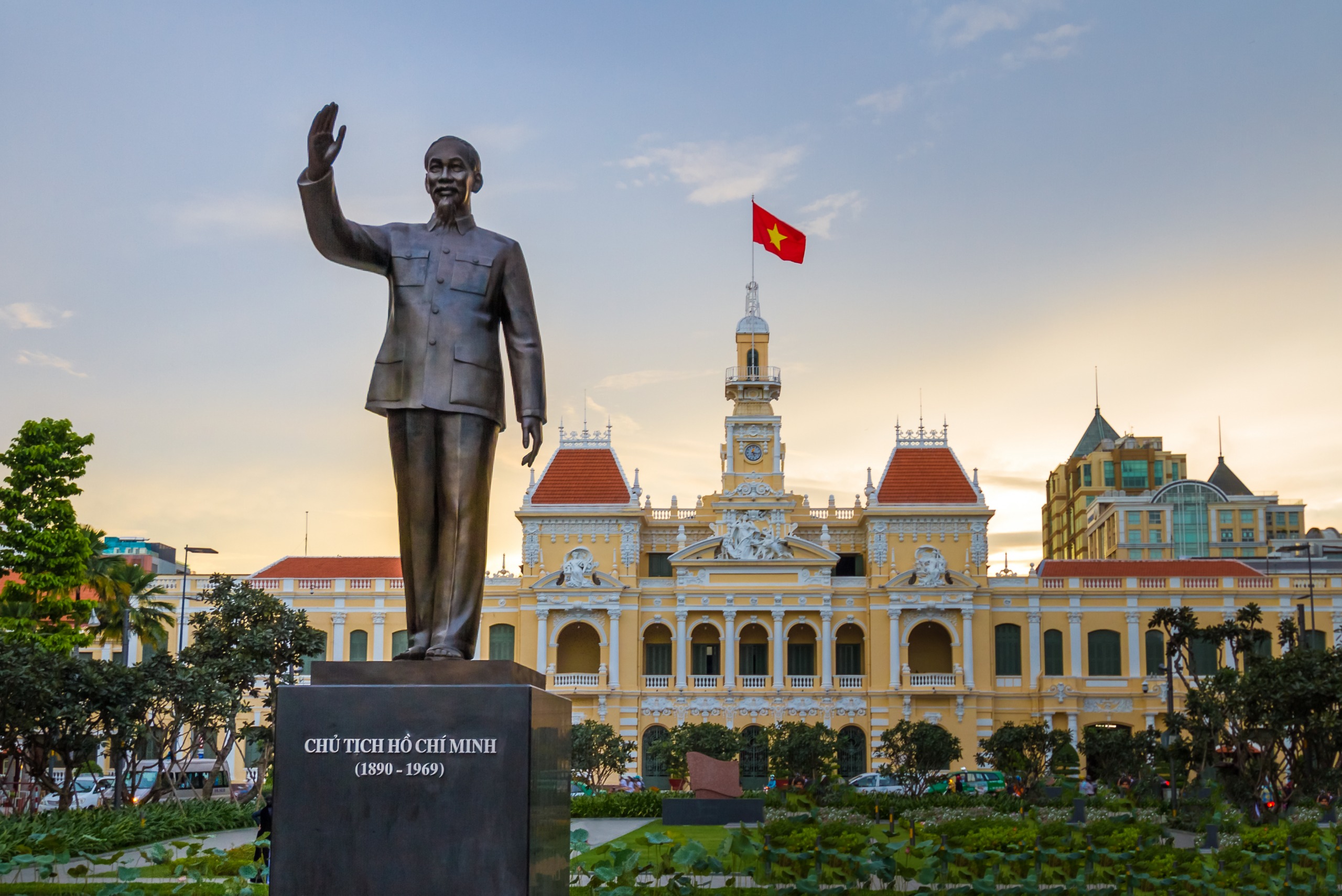
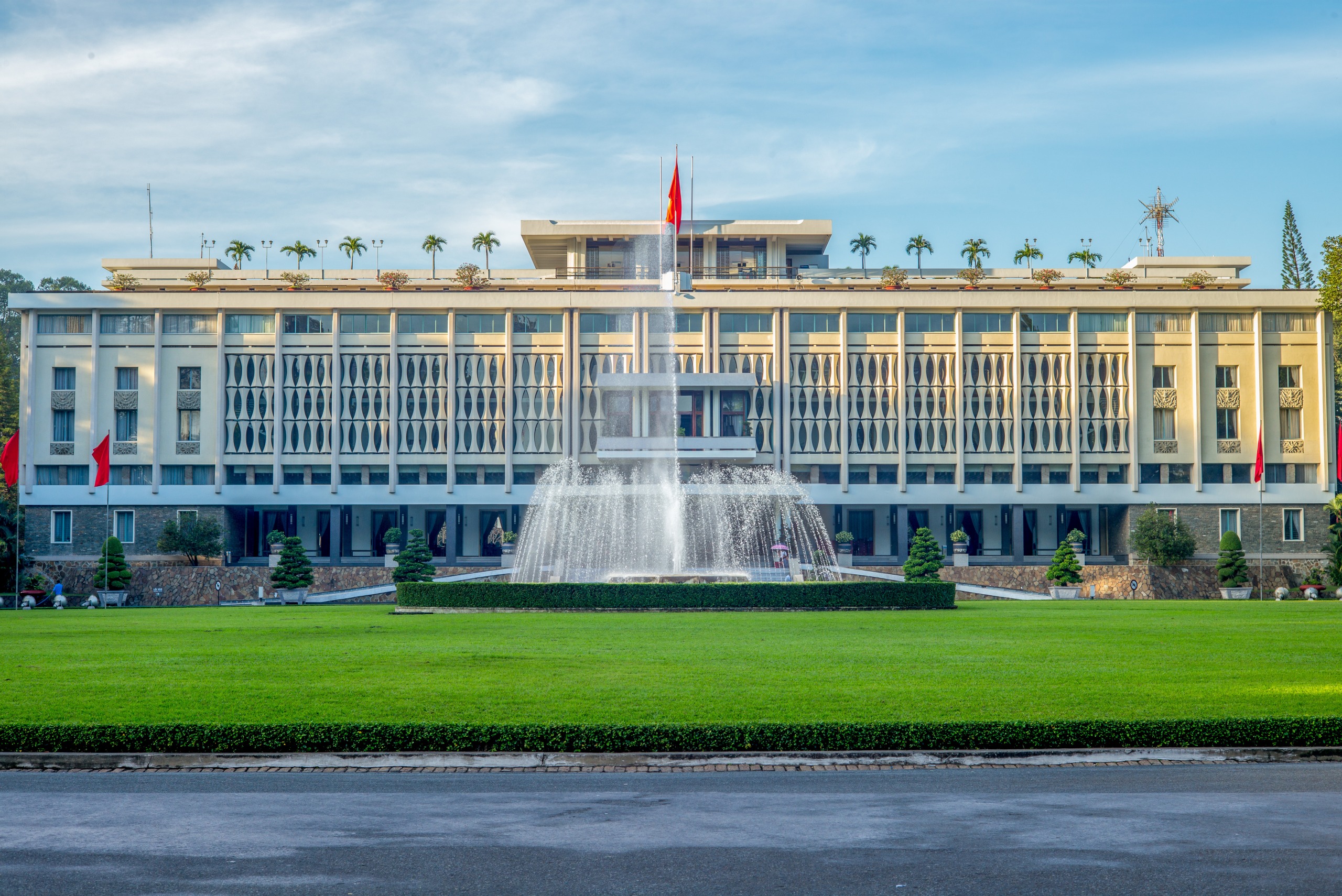
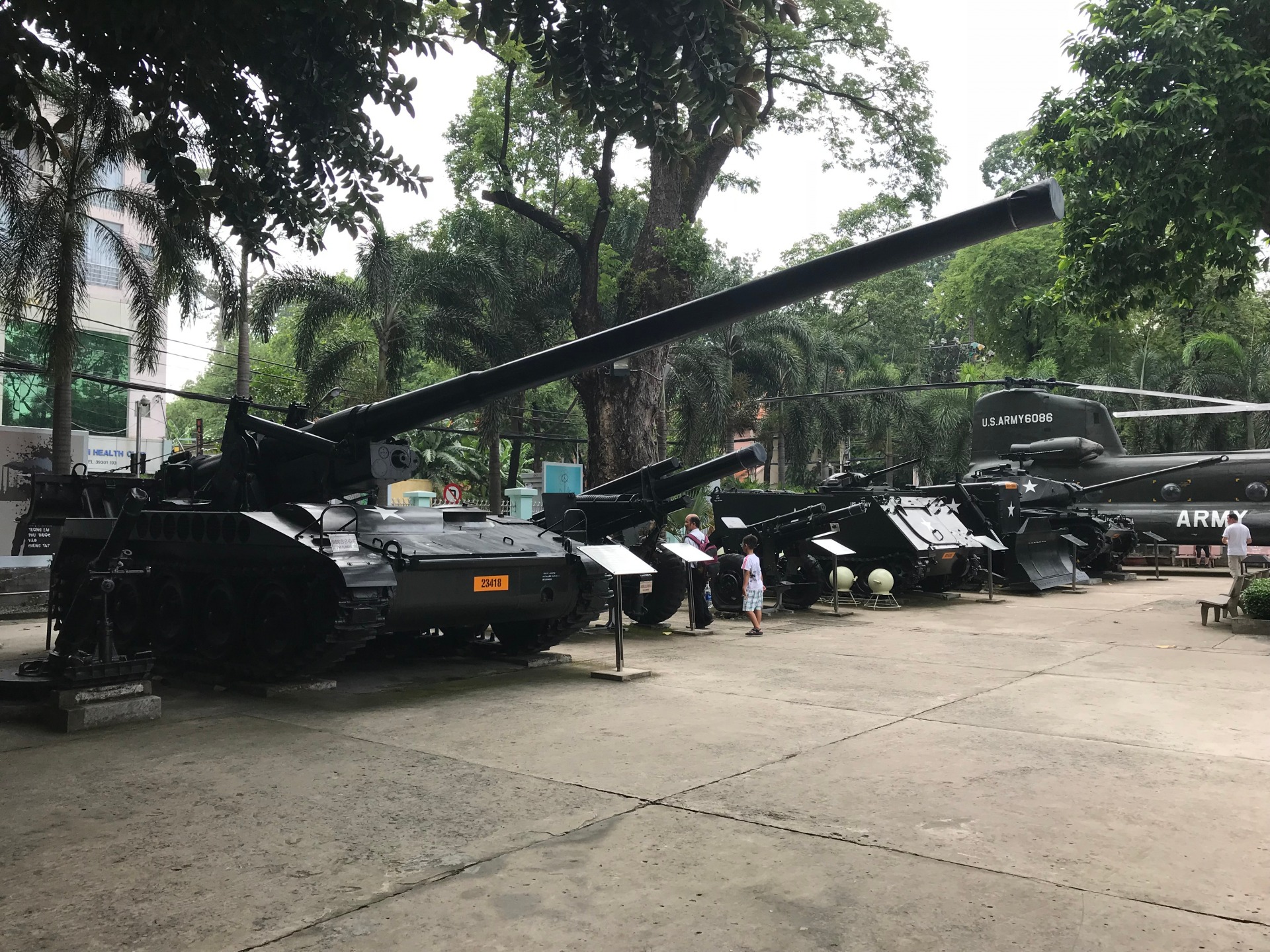
The cathedral is part of a walking tour that brings together several colonial buildings and cultural institutions. A few minutes' walk away: the Central Post Office, the Nguyen Van Binh booksellers' street, the Reunification Palace, and the War Remnants Museum. To extend your discovery of southern Vietnam, several sites accessible from Ho Chi Minh City deserve a day trip:
- The mangrove swamp of Can Gio, designated a Unesco biosphere reserve, about two hours' drive away.
- The memorial site of Ba Chuc, in An Giang Province, for those interested in recent Vietnamese history.
- The coastal resort town of Ca Na, on the central-southern coast.
- Bach Ma National Park Bach Ma, for nature lovers, further north.
Include the cathedral in your journey
Notre-Dame Basilica of Saigon is typically included in the first days of a tour through southern Vietnam, before departure to the Mekong Delta or the Central Highlands. To build a customized itinerary including Ho Chi Minh City and its surroundings, consult our suggestions for travel to Vietnam.
Nearby

Interested in this visit?
We can include it in your personalised itinerary.