DMZ, Vietnam War History
DMZ, Vietnam War History
In Quang Tri province, the DMZ brings together the main memorial sites of the Vietnam War: Vinh Moc tunnels, Khe Sanh base, Hien Luong Bridge.
Vietnam's demilitarized zone, more commonly known by the English acronym DMZ, refers to the strip of territory that separated North and South Vietnam between 1954 and 1976. Located in Quang Tri province, approximately 600 kilometers south of Hanoi, it concentrates within a few dozen kilometers some of the most significant sites of the Vietnam War: Vinh Moc tunnels, Khe Sanh base, Hien Luong Bridge, Ho Chi Minh trails.
Why Visit the DMZ
The DMZ is not a spectacular site in the conventional sense. It is a memorial journey, marked by modest museums, military remnants, and rural landscapes that still bear the scars of the conflict. For those interested in 20th-century history, the Cold War, or contemporary Southeast Asia, it is one of Vietnam's most compelling itineraries. Plan for a full day of visits from Hue or Dong Ha to properly explore the area.
Understanding the History of the DMZ
The DMZ was established around the 17th parallel in Quang Tri province following the Geneva Accords of 1954. It marked the border between Ho Chi Minh's North Vietnam and the U.S.-backed South Vietnam, across a five-kilometer buffer zone on either side of the Ben Hai River. Designed as a temporary separation pending reunification elections, it became a de facto border.
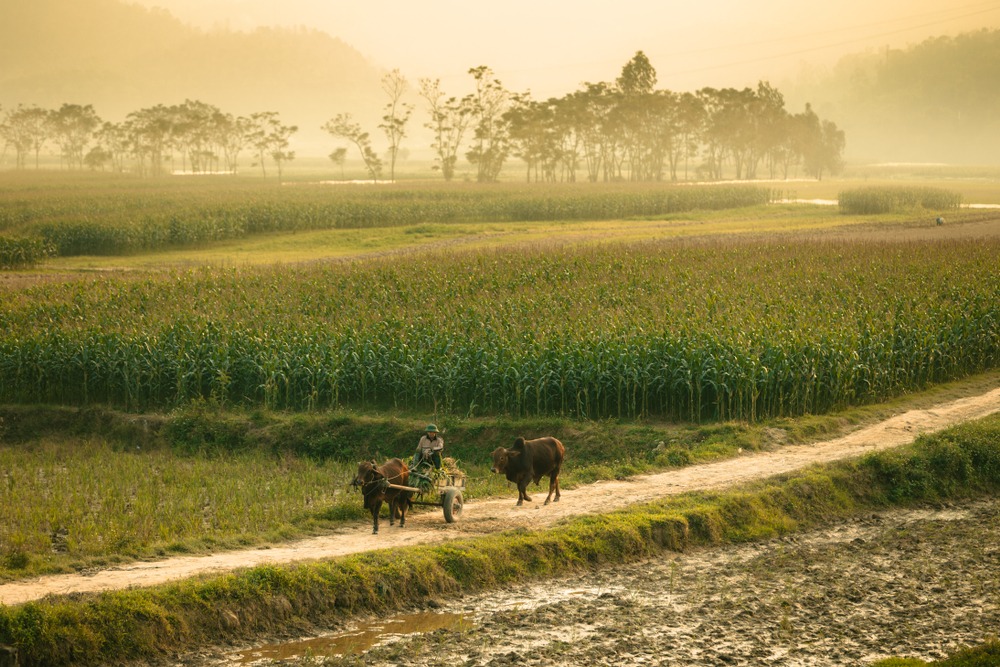
Tensions intensified as early as 1955. During the war, the zone became a strategic front: clandestine crossings by North Vietnamese troops, massive American bombing campaigns, and battles around Khe Sanh and Hamburger Hill in 1969. After the fall of Saigon in 1975, Vietnam was officially reunified in 1976 and the DMZ was abolished. Villages and rice fields reclaimed their place, but the memorial sites remain today the principal landmarks of any visit.
What to See Along the Route
Vinh Moc Tunnels
North of the Ben Hai River, these tunnels served as shelters for entire families during American bombing campaigns. The network extends across three levels and preserves the wells, communal rooms, and exits facing the sea. A small museum displays underground daily life. The visit takes approximately one hour.
Khe Sanh Combat Base
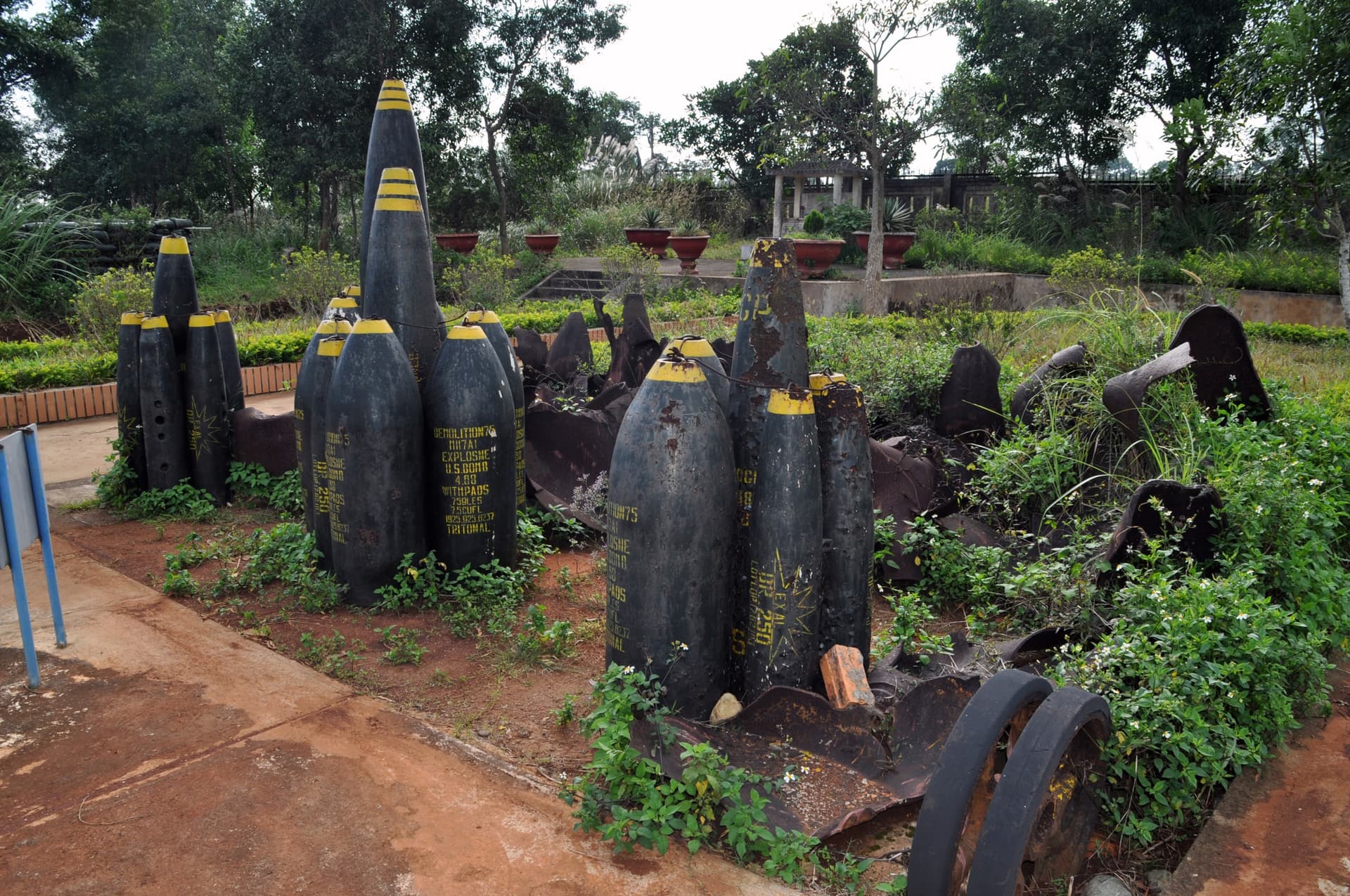
Situated near the Laotian border, Khe Sanh was the site of a lengthy and deadly siege in 1968. The base, now returned to agricultural plateau, houses an adjacent museum and displays several aircraft, helicopters, and artillery pieces. It is one of the most evocative stops on the circuit.
Dakrong Bridge and Ho Chi Minh Trails Museum
Dakrong Bridge, spanning the river of the same name, is a typical stop before Khe Sanh. Nearby, the Ho Chi Minh Trails Museum traces the history of the North Vietnamese logistics network that ran through Laos and Cambodia to supply the South.
Hamburger Hill
Site of the 1969 Hamburger Hill battle in the A Shau Valley, this location is more difficult to access. A special permit, obtainable in Aluoi for approximately 25 USD, is required. The visit is best suited for travelers already familiar with the conflict's history.
Practical Information
Most visitors join organized excursions from Hue, located approximately two hours' drive away. Full-day tours typically include Vinh Moc, Hien Luong Bridge on the Ben Hai, Khe Sanh, and sometimes the Truong Son military cemetery. A guide is invaluable: understanding the sites depends largely on historical explanations, with few signs available in English-speaking contexts.
Bring water, closed-toe shoes for the tunnels, and sun protection. Museum and site entrance fees are moderate, payable in dong on site. Opening hours follow a standard pattern with a midday break; it is preferable to aim for early morning or mid-afternoon.
When to Visit
Quang Tri province experiences a contrasting climate. The dry season, from February to August, offers the best visiting conditions, with preference for March to May before the intense summer heat. The period from September to November is marked by significant rainfall and typhoon risks across central Vietnam, which can complicate road travel.
How to Get There
- By air then by bus: flights from Hanoi to Dong Hoi or Hanoi to Hue Phu Bai (approximately 1.5 hours), followed by a bus transfer to Dong Ha, the closest stopover town to the DMZ.
- By overnight train: the Hanoi-Dong Ha route takes approximately 14 hours, an economical and comfortable option in a sleeping cabin.
- By car: 600 km from Hanoi via Route 1, totaling 12 to 13 hours of driving, typically split across two stages.
- From Hue: the most straightforward option, with organized day excursions available.
What to Combine in the Region
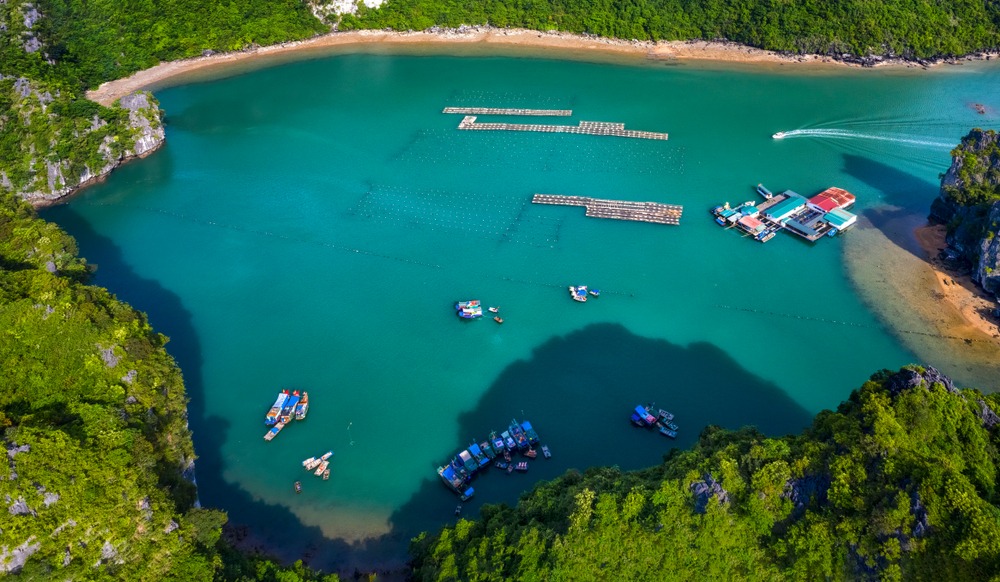
The DMZ fits naturally into a central Vietnam itinerary. Hue, the former imperial capital, is the most practical base. Further north, Phong Nha-Ke Bang National Park offers a very different landscape, dominated by limestone caves. To extend toward the terrestrial Halong Bay and coastal scenery, the Cát Bà and its biosphere stop complements a historical circuit well. At the opposite end of the country, the Cai Rang floating market provides a vibrant counterpoint in the Mekong Delta.
Frequently Asked Questions
Frequently asked questions
A full day from Hue is sufficient to cover the main sites: Vinh Moc, Hien Luong Bridge, and Khe Sanh. To include Hamburger Hill or delve deeper into the Ho Chi Minh trails, plan for two days with an overnight stay in Dong Ha.
Highly recommended. The sites are minimally marked and their significance depends on historical context. An English-speaking guide allows you to connect the locations and explain the issues at stake in the conflict.
The subject matter is heavy and certain sites, particularly the Vinh Moc tunnels, can be distressing for young children. The visit is more suited to teenagers and adults interested in history.
No, the 600 km distance makes this impossible. You must spend at least one night in Hue or Dong Ha to organize the visit under reasonable conditions.
Preparing Your Trip
The DMZ naturally fits into an itinerary centered on central Vietnam, between Hue, Phong Nha, and Hoi An. To build a custom circuit integrating this historical stop, consult our Vietnam travel suggestions.
Interested in this visit?
We can include it in your personalised itinerary.