Temple Do
Temple Do
Just 20 km from Hanoi, Temple Do honors the eight sovereigns of the Ly dynasty in a classic architectural complex of the Red River Delta.
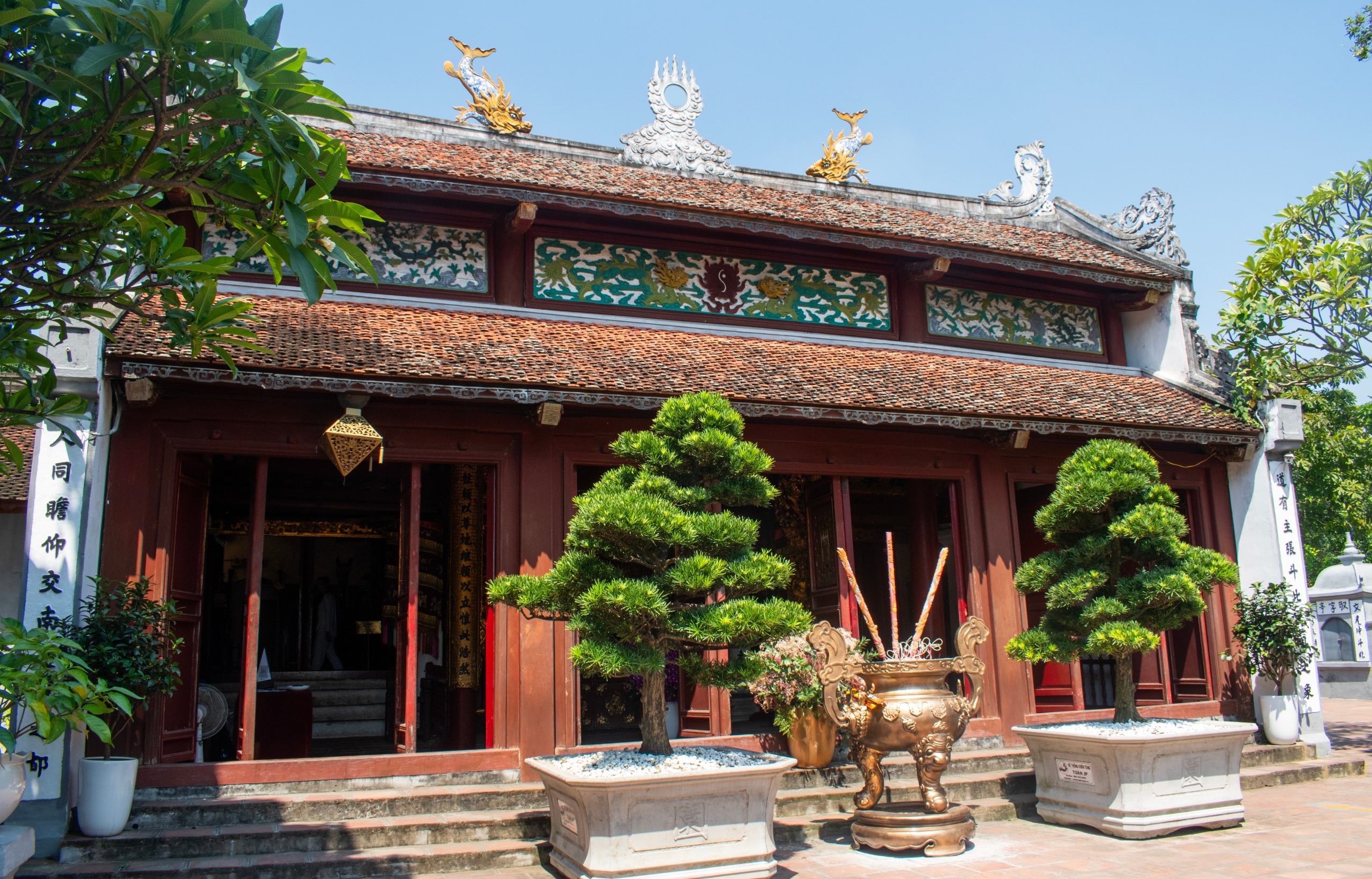
The Temple Do, also known as Co Phap Dien or Temple of the Eight Ly Kings, stands in Dinh Bang village, Bac Ninh province, some twenty kilometers northeast of Hanoi. Dedicated to the eight sovereigns of the Ly dynasty (1009-1225), it ranks among the most significant dynastic sanctuaries in northern Vietnam.
Why Visit Temple Do
This sanctuary appeals to travelers drawn to Vietnamese imperial history and traditional religious architecture. Three elements set it apart:
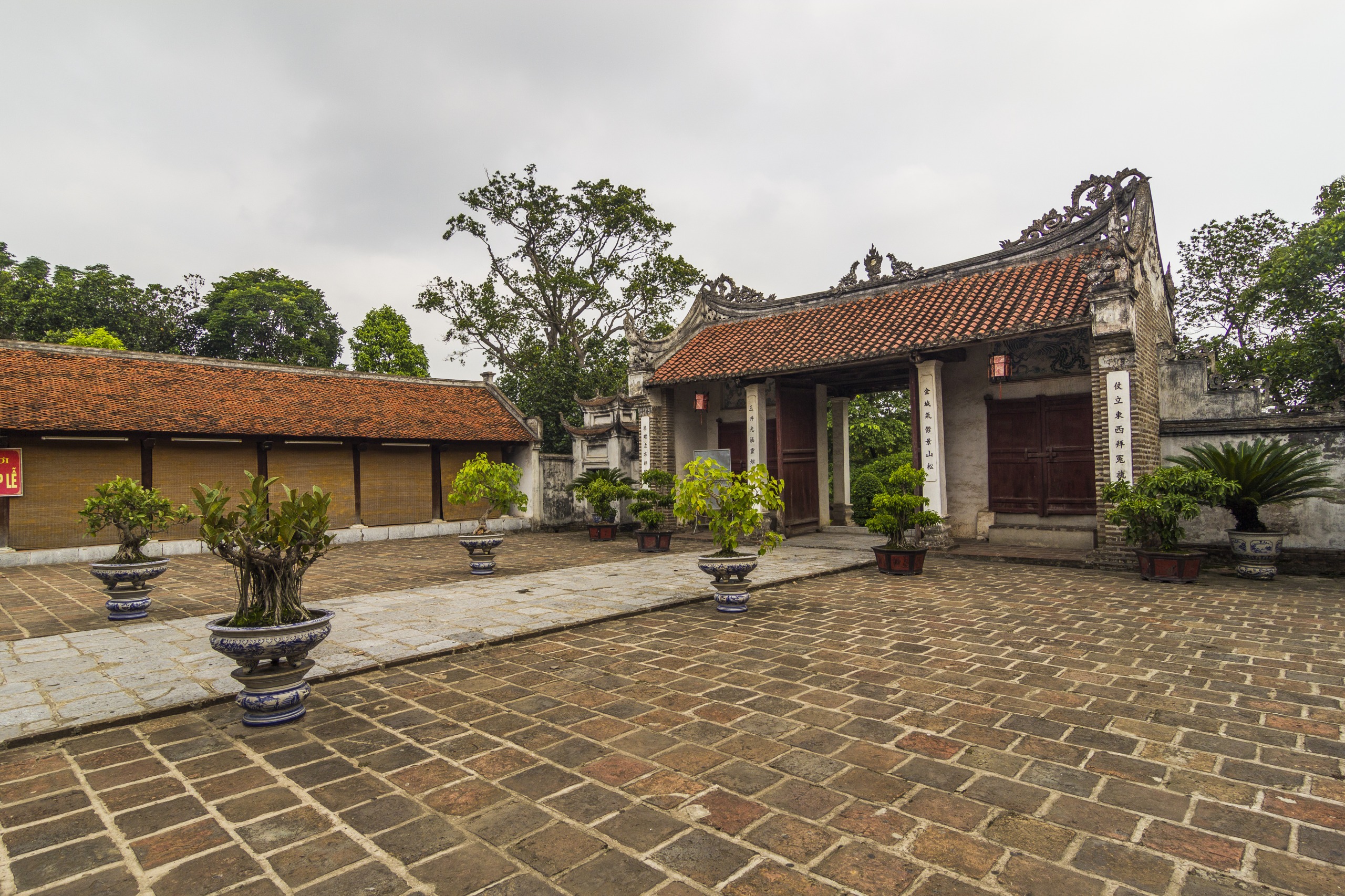
- A coherent architectural ensemble organized around blue stone-paved pathways and five dragon-carved gates.
- The presence of the sacred throne and ancestral tablets of the eight Ly kings—a rare occurrence in Vietnam.
- A crescent-shaped pond housing a traditional water puppet theater, an art form recognized as intangible cultural heritage.
History of Temple Do
Temple Do is linked to the Ly dynasty, founded in 1009 by Ly Cong Uan (Ly Thai To), who originated from Dinh Bang village itself. This sovereign transferred the capital to Thang Long, present-day Hanoi. The sanctuary honors his eight principal successors, who ruled Dai Viet for more than two centuries.
The temple was rebuilt several times over the centuries. Its current configuration dates essentially to the 17th century, under the Later Lê dynasty, when numerous dynastic sanctuaries in the north were restored. Originally enclosed by high walls, the complex maintains the classical layout of Vietnamese royal temples, with ceremonial spaces, dependencies, and ritual gardens.
The site also houses the altar of Queen Ly Chieu Hoang, the dynasty's last sovereign, who ceded the throne to the Tran in 1225—a pivotal moment in Vietnamese history.
What to See On Site
The Sacred Enclosure and Sanctuary
Behind a high brick wall, the central sanctuary preserves the sacred throne and ancestral tablets of the eight Ly kings. It forms the ritual heart of the sanctuary, where the most solemn ceremonies take place.
The Eight-Roofed Ceremonial House
This remarkable structure, characterized by its eight-tiered roof, serves major ceremonies. Beside it stand the ritual storehouse, reception hall, and altar dedicated to Queen Ly Chieu Hoang.
The Pathways and Five Dragon-Carved Gates
The blue stone-paved pathways structure circulation throughout the grounds. They are marked by five monumental gates carved with dragons, a recurring motif associated with royalty.
The Square House, Pond, and Water Puppet Theater
The square house overlooks a crescent-shaped pond at whose center stands a water puppet theater, a folk art born in the rice paddies of the Red River Delta. During major festivals, performances are sometimes held here.
The Stele Pavilion
Near the pond, the stele pavilion houses several inscribed stones recounting the temple's history and that of the Ly dynasty. The oldest bears the date 1302. The sanctuary also preserves numerous ritual objects and historical documents.
Practical Information
- Location: Dinh Bang village, Tu Son city, Bac Ninh province.
- Visiting time: allow 1 to 1.5 hours to explore the entire complex.
- Admission: modest entry fee; generally free outside major festivals.
- Best season: the Temple Do festival is held annually around the 15th day of the 3rd lunar month (March-April), featuring processions, folk games, and water puppet performances.
- Dress code: shoulders and knees covered; wear shoes that are easy to remove when entering ritual buildings.
How to Get There
Temple Do is located approximately 20 kilometers northeast of Hanoi, on the road to Bac Ninh.
- By private car: journey of about 45 minutes to 1 hour from central Hanoi depending on traffic. This is the most convenient option, often combined with visits to other artisan villages in Bac Ninh.
- By local bus: regular connections link Hanoi to Tu Son, followed by a short taxi or motorbike ride to Dinh Bang.
- By guided tour: the most comfortable option, with historical interpretation of the site.
Nearby
Your visit can extend to other Red River Delta sites:
- The artisan villages of Bac Ninh, notably Dong Ho, renowned for its folk woodblock prints.
- The Perfume Pagoda, another major spiritual destination in northern Vietnam, accessible from Hanoi.
- The terrestrial Ha Long Bay and the Bai Chay region, to combine on a longer itinerary through the north.
Prepare Your Visit
Temple Do fits naturally into a cultural circuit around Hanoi, alongside the delta's traditional villages. To build a customized itinerary across northern Vietnam, explore our Vietnam trips and connect with our English-speaking advisors.
Nearby
Interested in this visit?
We can include it in your personalised itinerary.