Ho Coc Beach
Ho Coc Beach
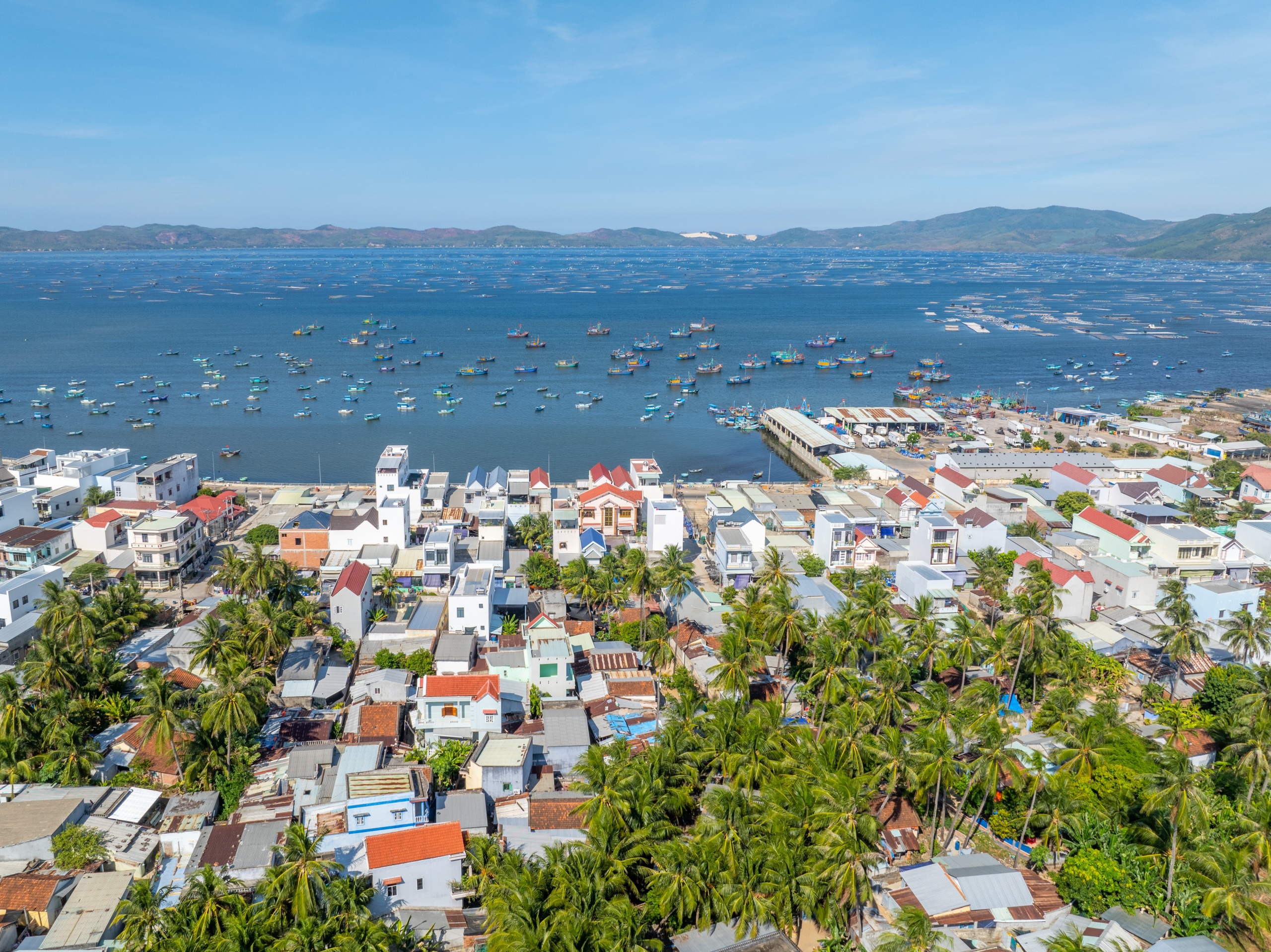
Some fifty kilometres from Long Hai, Ho Coc Beach stretches for 5 km of sand bordered by a tropical forest classified as a nature reserve.
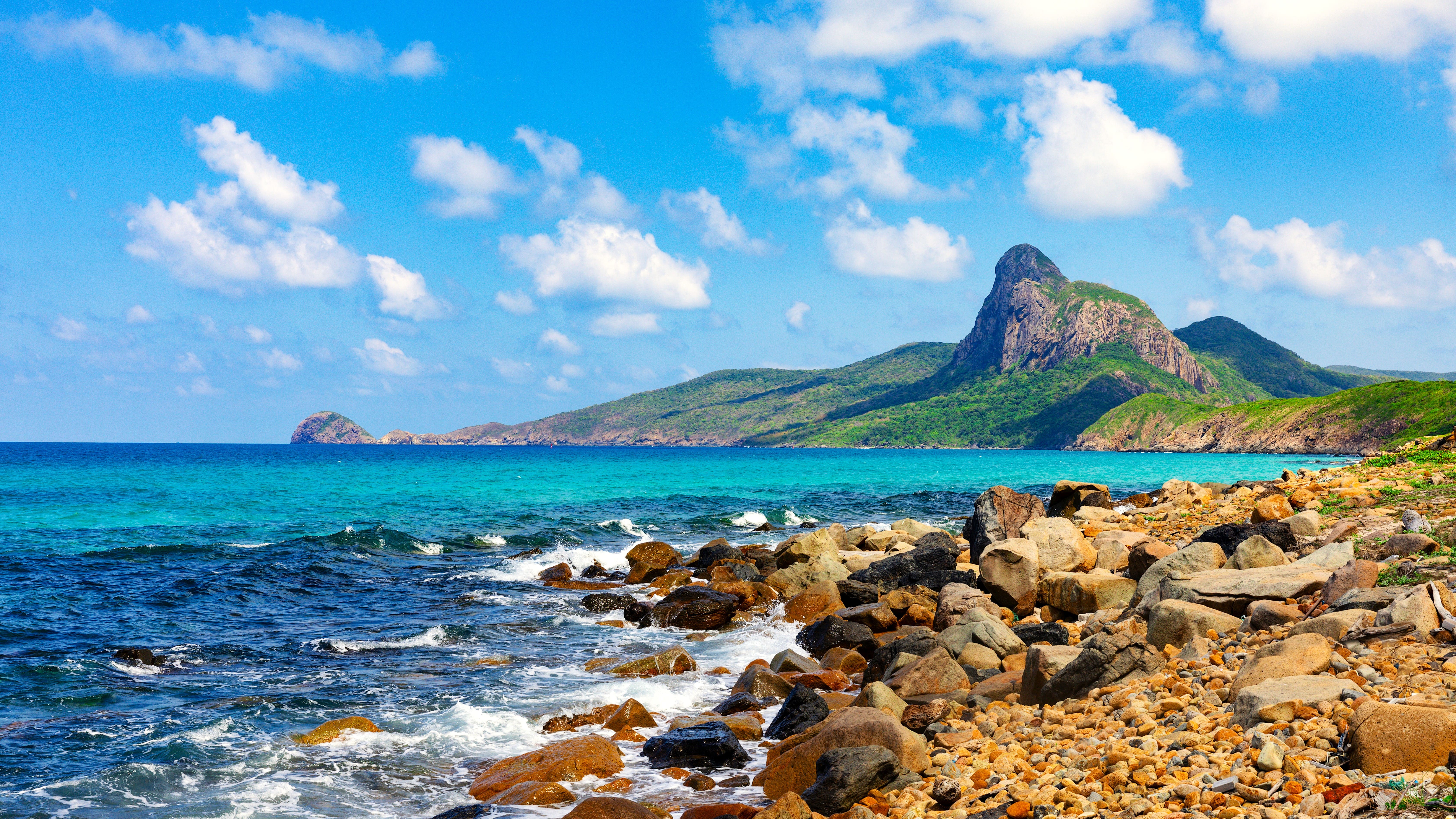
Ho Coc Beach unfolds across several kilometres of golden sand along the south-eastern coast of Vietnam, about fifty kilometres from Long Hai. Bordered by a tropical forest, part of which is classified as a nature reserve, it remains one of the least urbanised coastal stretches in Ba Ria-Vung Tau province.
Why visit Ho Coc?
Far from the bustle of Vung Tau's beachfront, Ho Coc appeals to travellers seeking calm and a pristine coastal landscape. The site combines three rare assets in this region: a long, quiet beach during weekdays, a protected forest rich in wildlife, and an atmosphere that remains distinctly local, dotted with small seafood restaurants and a few intimate resorts.
Visitors are predominantly Vietnamese, arriving from Ho Chi Minh City for weekends. Foreign travellers find here a striking contrast after the major cities of the Mekong Delta or the Highlands.
What to see and do at Ho Coc?
The beach
The sandy expanse extends for nearly 5 kilometres, scattered with large round rocks that emerge in places. The waters are generally clear and the gentle slope is suitable for swimming, though some currents can form during the windy season. On weekends, small stands offer simple fare based on grilled fish, crabs and shellfish.
Binh Chau-Phuoc Buu Nature Reserve
The beach borders a tropical forest of which 11,000 hectares were classified as a nature reserve in 1975. The site is home to a significant colony of monkeys as well as many bird species. The historical presence of elephants is documented here, though most individuals have been relocated to ensure their preservation. A few trails allow for a walk along the forest edge; for deeper exploration, enquire with the forest rangers.
Binh Chau Hot Springs
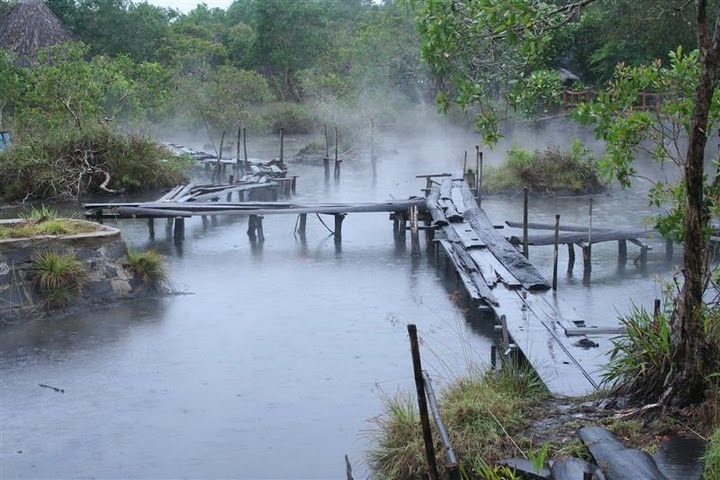
About twenty kilometres away, the Binh Chau thermal springs often complement a visit. The water naturally reaches high temperatures and the site offers baths, treatments and dining.
When to visit Ho Coc?
The best period extends from December to April, during the dry season. Temperatures are warm (around 27-32°C), the sea is calm and rainfall is rare. May to October corresponds to the wet season: showers are brief but frequent, and the sea can be rough.
To enjoy the beach in peace, choose weekdays. Saturdays and Sundays see an influx of visitors from Ho Chi Minh City.
Practical information
- Duration of visit: allow half a day for the beach alone, one to two nights to combine swimming, the nature reserve and hot springs.
- Accommodation: a few beachfront resorts, complemented by guesthouses in the Ho Coc village. Booking recommended at weekends.
- Dining: seafood restaurants along the beach, moderate prices. Bring water for forest walks.
- What to bring: sun protection, insect repellent, closed-toe shoes for the reserve.
How to get to Ho Coc?
From Ho Chi Minh City, the beach is approximately 125 km away, a 3 to 4-hour drive. Several options:
- Private car with English-speaking driver: the most flexible solution, allowing you to combine hot springs and the reserve.
- By bus: regular connections to Vung Tau or Ba Ria, then taxi or motorbike taxi for the last 50 kilometres.
- From Long Hai or Vung Tau: allow about an hour's drive, along a coast with varied landscapes.
What to see in the region
Vietnam is full of other natural and cultural sites that complement a beach stay at Ho Coc:
- Cat Ba, an emblematic island in Ha Long Bay, for another perspective on Vietnam's biosphere.
- Ba Den Mountain, a sacred peak in the south, a few hours' drive away.
- Buu Long Mountain, a green stop at the gates of Ho Chi Minh City.
- Cai Rang Floating Market, in the Mekong Delta, to extend your journey south.
Plan your trip to Vietnam
Ho Coc naturally fits into an itinerary in the country's south, complementing the major cities and the Mekong Delta. To design a tailor-made programme including this beach stop, consult our Vietnam trips.
Interested in this visit?
We can include it in your personalised itinerary.