Khanh Van Nam Vien Pagoda
Khanh Van Nam Vien Pagoda
Built between 1939 and 1942 by the Cantonese congregation in Cholon, Khanh Van Nam Vien Pagoda is one of the few Taoist places of worship in Vietnam.
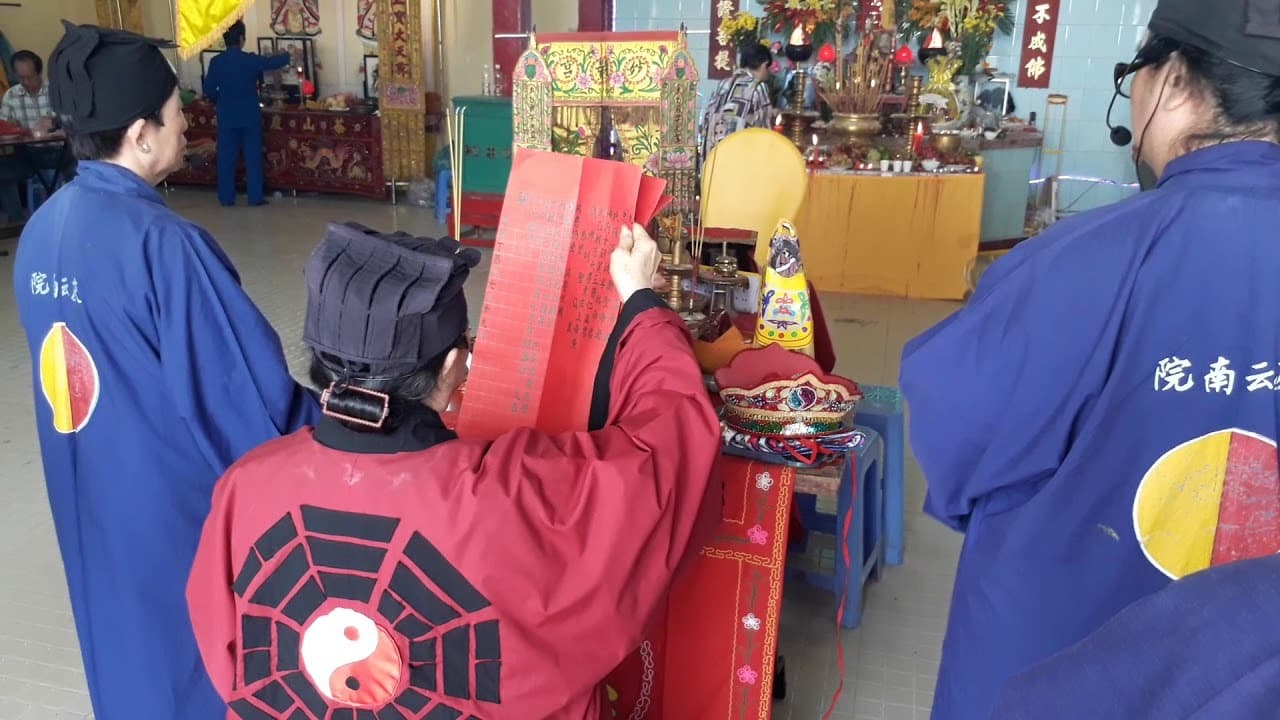
Located in the 11th district of Ho Chi Minh City, Khanh Van Nam Vien Pagoda (Khánh Vân Nam Viện) is one of the few Vietnamese places of worship dedicated to Taoism. Built in the late 1930s by the Cantonese Chinese community settled in Cholon, it preserves a collection of statuary and iconography faithful to the religious traditions of Southern China, in a neighbourhood often overlooked by conventional tourist circuits.
Why visit Khanh Van Nam Vien Pagoda
Khanh Van Nam Vien appeals equally to travellers curious about Asian religions and those seeking to venture beyond Saigon's beaten paths. Three elements distinguish it:
- It is considered the only purely Taoist pagoda in Vietnam, a rare religious singularity in a country dominated by Mahayana Buddhism and ancestor worship.
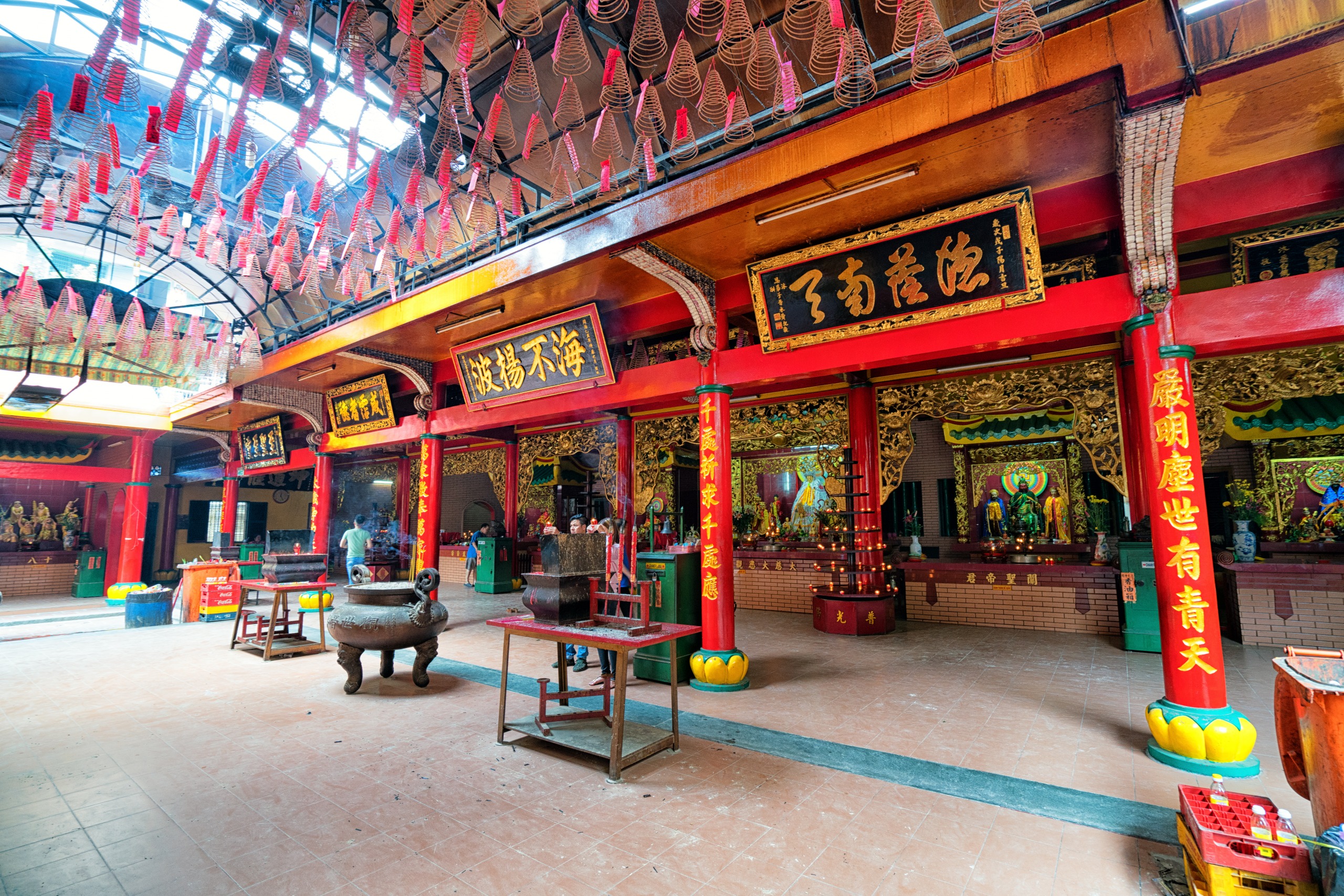
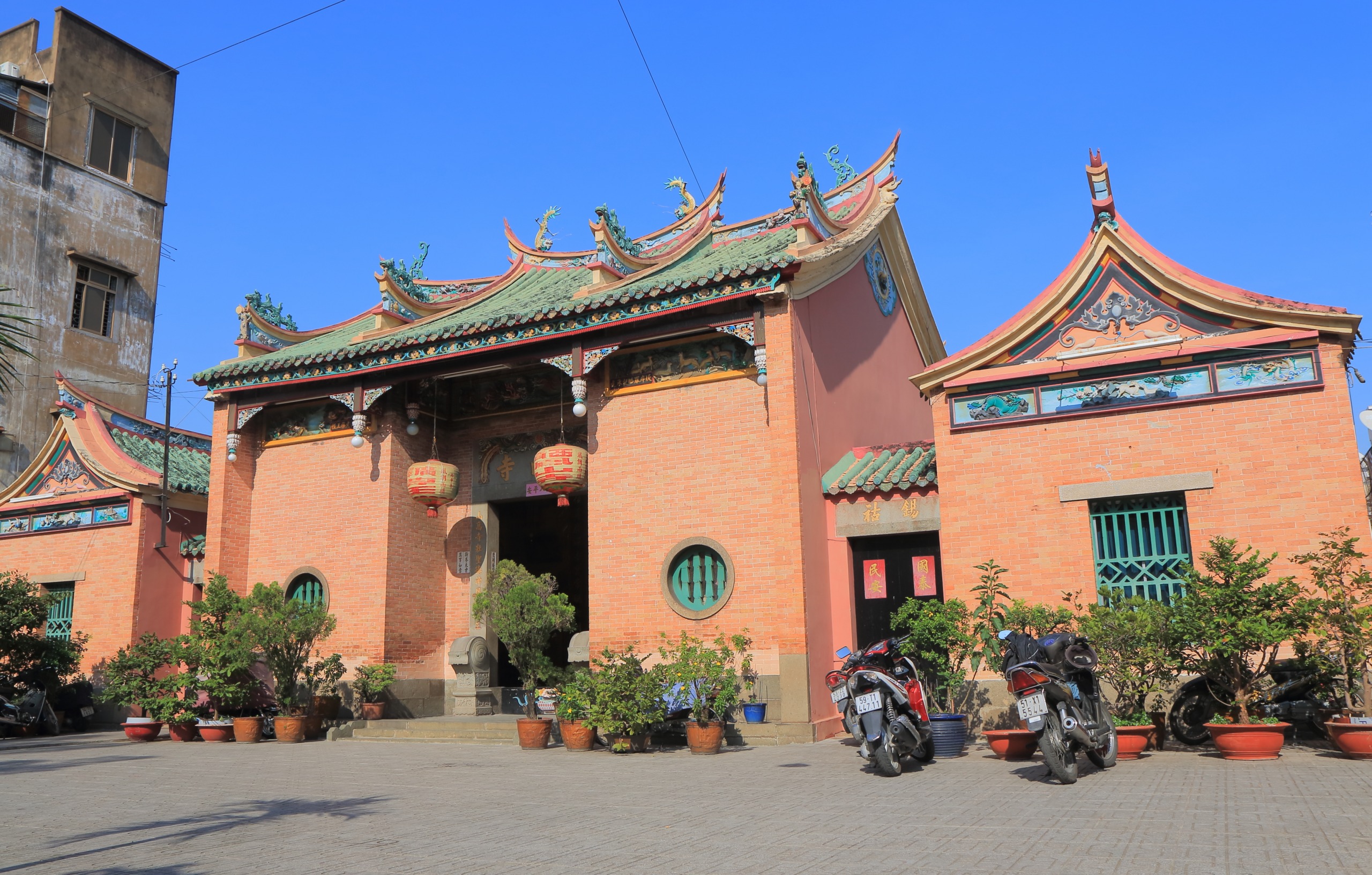
- Its decoration blends sculpture, painted porcelain and engraved stelae, bearing witness to the craftsmanship of Cantonese artisans in the early 20th century.
- Its visitors remain essentially local, allowing observation of ritual practices and offerings in a peaceful atmosphere, far from the crowds of major pagodas in the city centre.
A complete visit requires little time — allow approximately 30 to 45 minutes — and fits easily into a half-day exploration of the Chinese quarter.
A Taoist pagoda born in 1940s Cholon
The pagoda was built between 1939 and 1942 by the Cantonese congregation, one of the principal Chinese communities (bang) settled in Cholon since the 19th century. At that time, the district brought together merchants, craftsmen and scholars from Guangdong, who funded temples and schools to maintain their religious and linguistic traditions.
Khanh Van Nam Vien fits into this movement but distinguishes itself through its strictly Taoist orientation. While the majority of Chinese pagodas in Cholon blend Buddhist, Taoist and Confucian figures according to the principle of the "three teachings,
Nearby
Interested in this visit?
We can include it in your personalised itinerary.