Museums
Museums
In Hué, the Imperial Museum (1923) and Ho Chi Minh Museum offer an intimate glimpse into Vietnamese history, from the Nguyen reign to independence.
In Hué, Vietnam's former imperial capital, two modest-sized museums complement a visit to the Imperial City and the tombs of the Nguyen emperors. The Imperial Museum displays remnants of royal daily life in a historic mandarin palace, while the Ho Chi Minh Museum traces the political journey of modern Vietnam's founder. Budget half a day to visit both.
Why visit Hué's museums
Hué concentrates the legacy of the Nguyen dynasty, which ruled Vietnam from 1802 to 1945. Beyond major monuments like the Purple Forbidden City, these two museums offer a more intimate reading of Vietnamese history: imperial everyday objects on one side, revolutionary memory on the other. Their appeal lies as much in their collections as in their buildings, which are themselves witnesses to the city's past.
- Two complementary institutions covering Vietnamese history from the 19th century to independence
- Short and accessible visit, ideal to complement imperial sites
- Historic architectural setting for the Imperial Museum
- Central location, within walking distance of most Hué accommodations
History and context
The Imperial Museum, in Vietnamese Bao Tang Co Vat, was founded in 1923 under the reign of Emperor Khai Dinh, when the Nguyen dynasty was coming to an end and sought to preserve its material heritage. The institution is housed in a former mandarin palace whose walls are decorated with poems in Vietnamese characters, engraved directly into the wood and lacquer.
The museum's history is marked by 20th-century conflicts: the finest pieces in the collection disappeared during the war, particularly during the 1968 Battle of Hué, which devastated much of the citadel. What remains today still constitutes a representative collection from the imperial court.
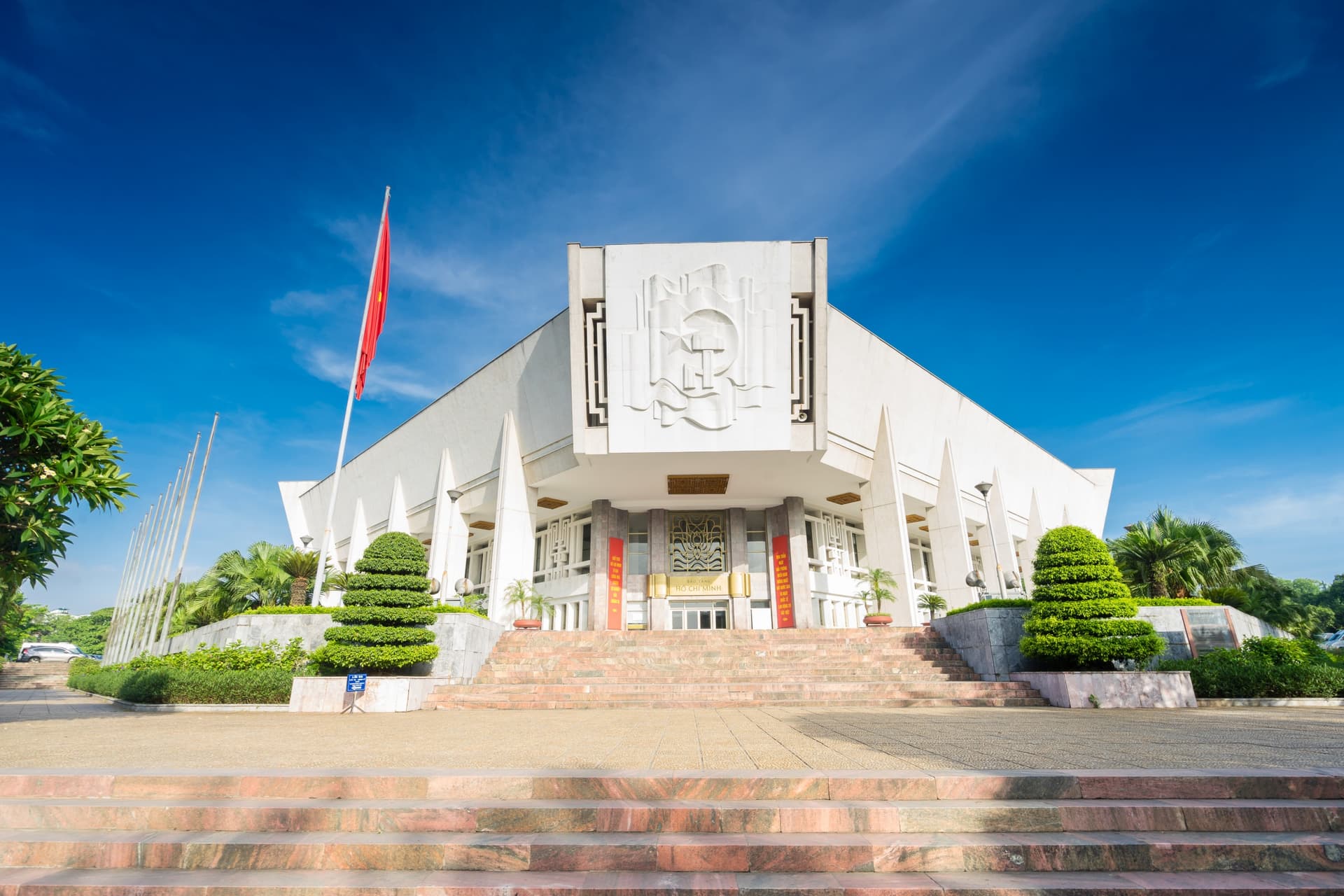
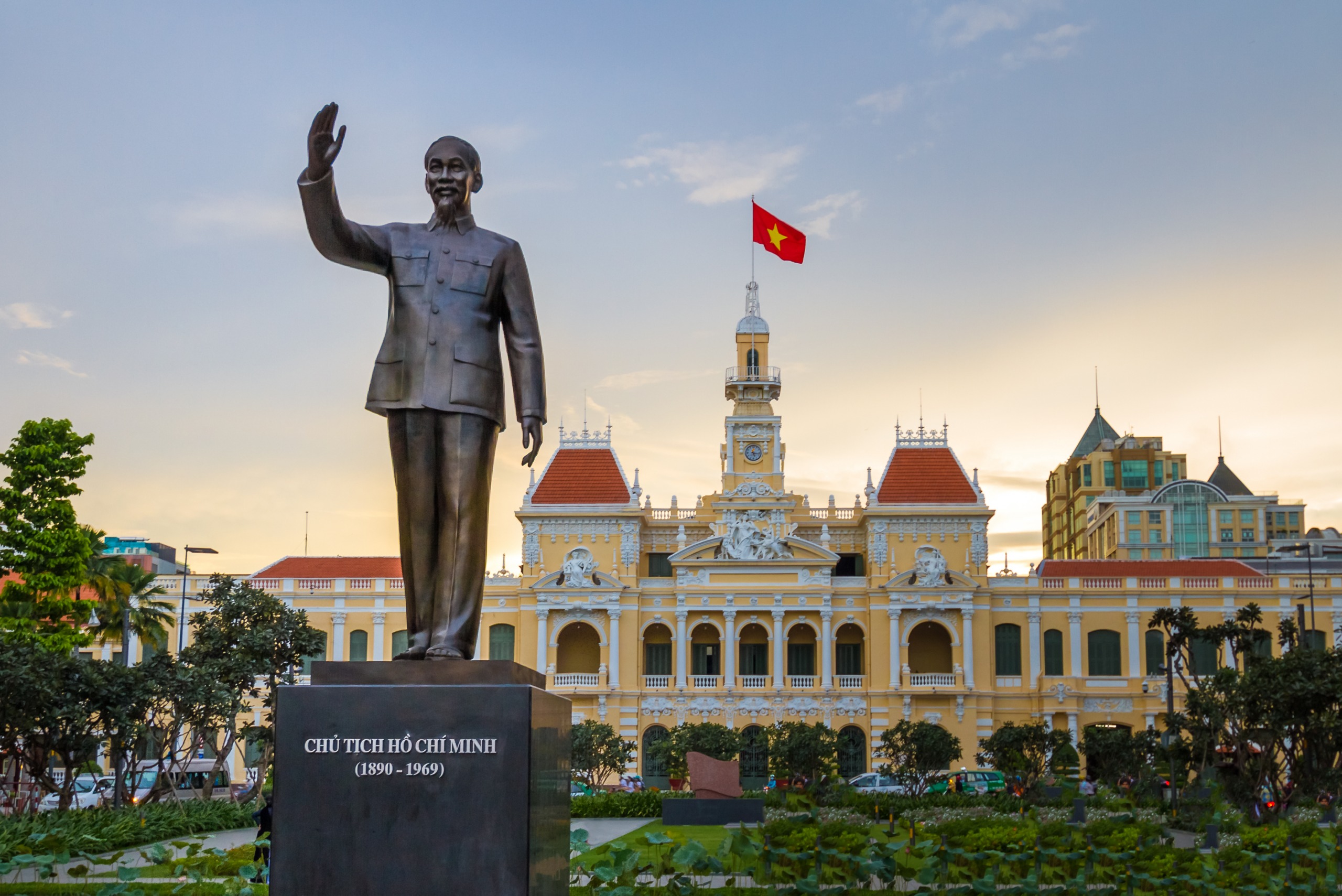
The Ho Chi Minh Museum (Bao Tang Ho Chi Minh), meanwhile, is part of a network of national institutions dedicated to the revolutionary leader, present in several Vietnamese cities linked to his biography. Hué is one of the stages of his youth: he attended Quoc Hoc school here in the early 20th century.
What to see
The Imperial Museum
The current collection brings together objects from the palace and the immediate entourage of the Nguyen emperors:
- Ceramics for everyday use and ceremonies
- Lacquered furniture inlaid with mother-of-pearl
- Royal costumes, including embroidered court robes
- A royal sedan chair, used for the emperor's journeys
- A ceremonial gong
- A musical instrument made of stones suspended on two levels, a type of lithophone, used in court ritual music
The building itself deserves attention: take time to read the poems engraved in the structure and observe the details of the carpentry.
The Ho Chi Minh Museum
Located at 9 D Le Loi, on the south bank of the Perfume River, this museum presents:
- A collection of photographs tracing Ho Chi Minh's life
- Some personal belongings that belonged to him
- Documents relating to his political life and his role in Vietnam's independence
The museum design is sober and didactic, with panels primarily in Vietnamese and English.
Practical information
- Location: both in Hué, Ho Chi Minh Museum at 9 D Le Loi, Imperial Museum near the Imperial City
- Duration of visit: 30 minutes to 1 hour for each museum
- Admission: moderate entry fee, sometimes included in a combined ticket with other Hué sites — check on site
- Access: on foot from the center, by cyclo or taxi
- Good to know: appropriate dress recommended, photography sometimes restricted inside
What to see nearby
Hué and its surroundings concentrate a dense heritage that extends far beyond these museums. The Imperial City, the tombs of the Nguyen emperors (Tu Duc, Minh Mang, Khai Dinh) and Thien Mu Pagoda can be visited in one to two additional days.
To extend your museum exploration of Vietnam, the Cham Sculpture Museum in Da Nang, about 100 km south, perfectly complements a visit to Hué with its collections on the Cham civilization. Further south, the Cai Rang floating market offers a dive into the life of the Mekong Delta. For nature, Cat Ba island in Ha Long Bay and Ba Den mountain in southern Vietnam are worth visiting depending on your itinerary.
Plan your trip
Hué's museums naturally fit into a circuit centered on central Vietnam, between Hanoi and Hoi An. To build a tailor-made itinerary including Hué and its surroundings, browse our trips to Vietnam and chat with our local advisors.
Interested in this visit?
We can include it in your personalised itinerary.