Other Places of Worship 2
Other Places of Worship 2
Four emblematic places of worship in Hue, blending a modern Catholic cathedral, a colonial church, and national pagodas steeped in Buddhist history.
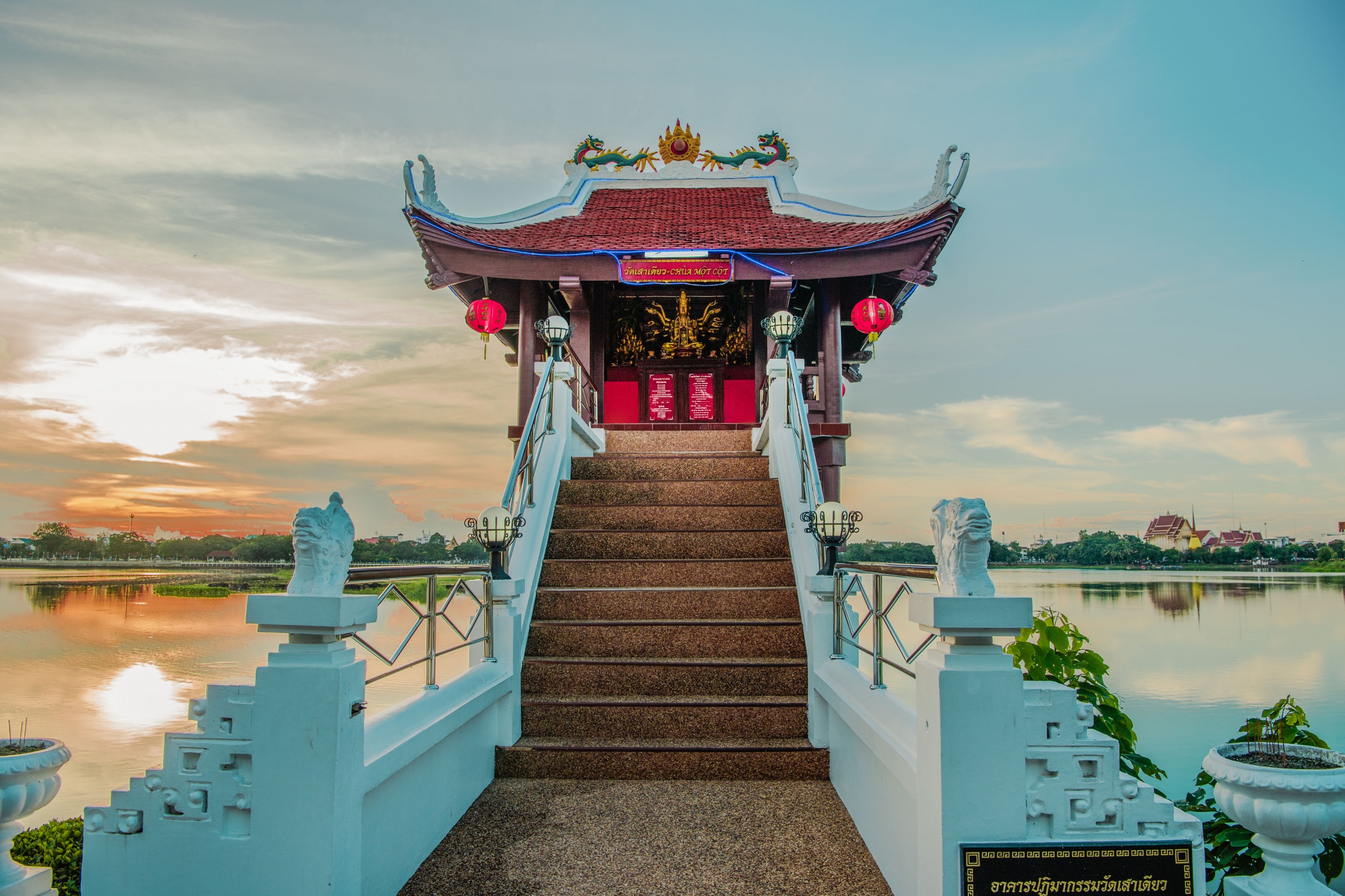
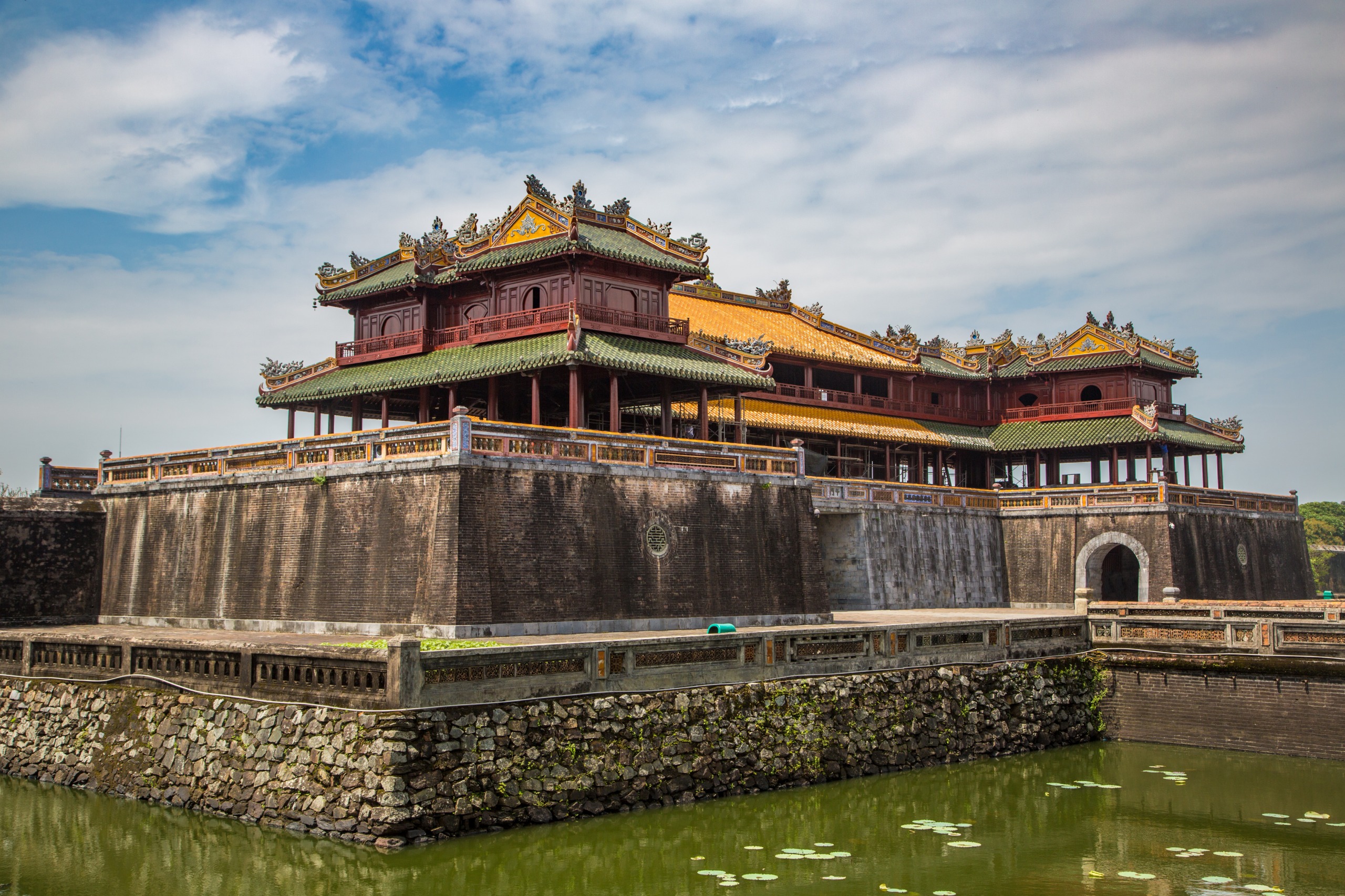
Hue, the former imperial capital of central Vietnam, preserves a diverse religious heritage where Catholicism and several schools of Buddhism coexist. Beyond the celebrated Thien Mu Pagoda, four structures merit a visit to understand the spiritual richness and political history of the city: Notre-Dame Cathedral, Saint-Xavier Church, the national Dieu De Pagoda, and Tang Quang Pagoda.
Why Visit These Places of Worship in Hue
These four sites offer a complete panorama of living religious traditions in Hue. You will observe the architectural syncretism between Europe and Asia in the Catholic buildings, the memory of the Buddhist uprising of the 1960s at Dieu De Pagoda, and the Theravada Buddhist heritage inherited from Sri Lanka and India at Tang Quang Pagoda. All can be visited on foot or by bicycle in the north and central parts of the city, complementing the classic Imperial Citadel circuit.
History and Religious Context
Hue was long the spiritual center of imperial Vietnam. Three pagodas here bear the title of national pagodas, once directly sponsored by the emperor. In the 19th century, the arrival of French Catholic missionaries added a new layer to the religious landscape, with the construction of churches, some of which became, in the 20th century, modern cathedrals incorporating Vietnamese architectural elements.
The mid-1960s marked a turning point. Under the regime of Ngo Dinh Diem (1955-1963), and later during the war, several pagodas in Hue became bastions of dissent. Dieu De Pagoda is emblematic of this movement: in 1966, it was stormed by police, who arrested many monks, worshippers, and students and confiscated the movement's radio equipment.
The Four Structures to See
Notre-Dame Cathedral (Dong Chua Cuu The)
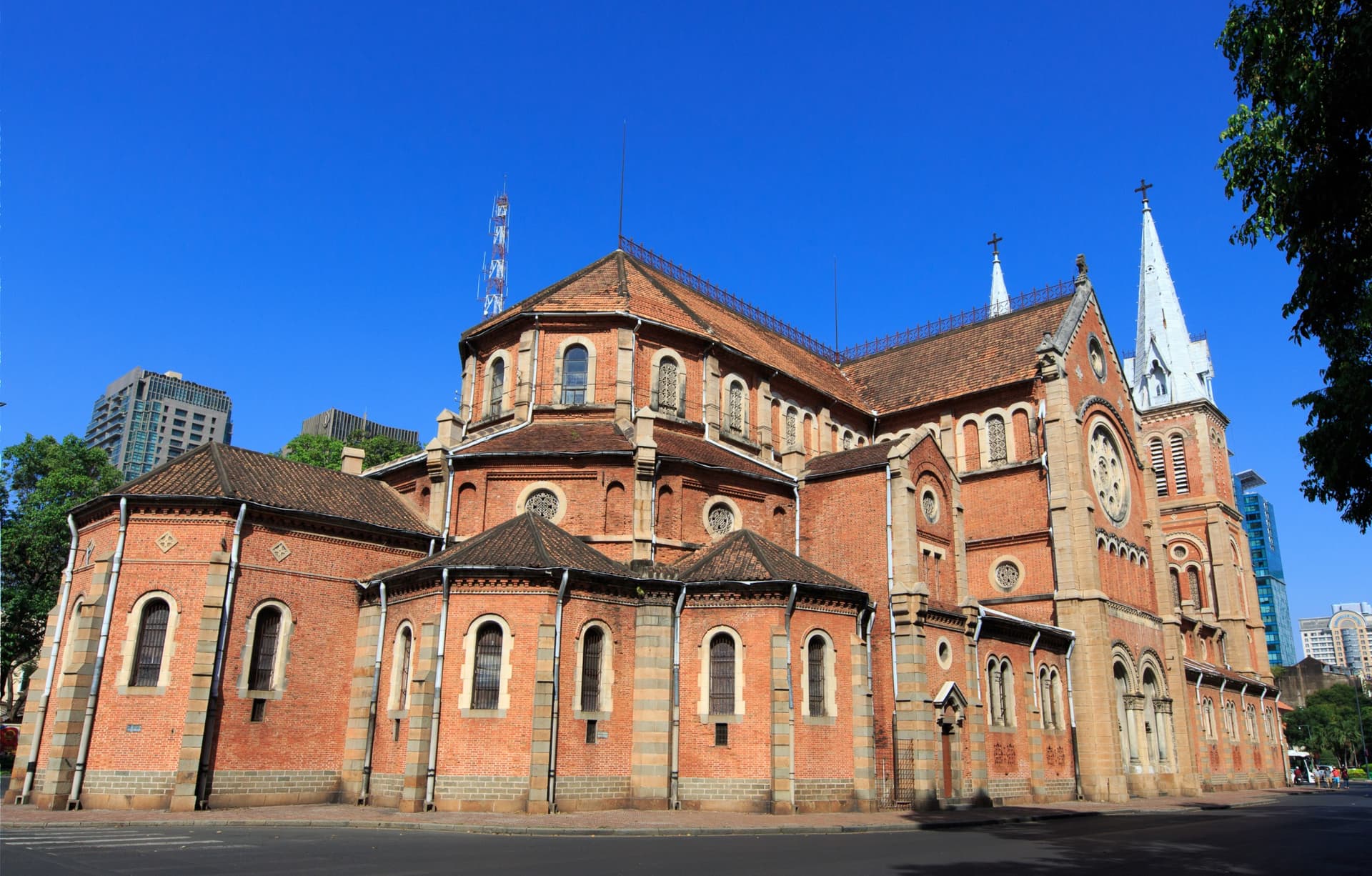
Located at 80 D Nguyen Hue, this imposing modern cathedral was built between 1959 and 1962. It combines the functional aspect of a European cathedral with Vietnamese tradition, notably through an Oriental-style spire. The building can accommodate approximately 1,600 worshippers and remains a very active Catholic place of worship. Visits take place outside of services, respecting silence and appropriate dress.
Saint-Xavier Church
Built in 1915, this Catholic church is located to the southwest on D Nguyen Tri Phuong (near the former Binh Minh hotel, which still serves as a local landmark). More modest than the cathedral, it functions primarily as a parish. Its brick façade and square bell tower testify to the style of early 20th-century French missions. A discreet visit is recommended, as the building is an active place of worship rather than a developed tourist site.
National Dieu De Pagoda (Quoc Tu Dieu De)
Built during the reign of Emperor Thieu Tri (1841-1847), it stands along the Dong Ba canal at 102 D Bach Dang. It is one of three national pagodas in Hue, once directly sponsored by the emperor.
Dieu De is famous for its four squat towers, two on either side of the entrance gate and two around the sanctuary. Two of them house a bell, a third houses a drum, and the fourth houses a stele dedicated to the pagoda's founder.
Historically, it served, under the Ngo Dinh Diem regime (1955-1963) and in the mid-1960s, as a bastion of Buddhist and student revolt against the war and the ruling regime. In 1966, it was stormed by police; monks, worshippers, and students were arrested and radio equipment was confiscated. A few monks still reside there.
Inside, the entrance pavilions house the 18 La Ha (rank just below the bodhisattvas in the Buddhist hierarchy) and the eight Kim Cang, protectors of Buddha. Behind the platforms stands Buddha Thich Ca (Sakyamuni), surrounded by his two assistants: Pho Hien Bo Tat on his right and Van Thu Bo Tat on his left.
Tang Quang Pagoda (Tang Quang Tu)
Built in 1957, the pagoda is located in an alley across from 80 D Nguyen Chi Thanh. It is the largest of Hue's three Theravada (Hinayana) pagodas. Its distinctive architecture reflects the historical link of Theravada Buddhism with Sri Lanka and India, more than the classical Chinese influences found in other Vietnamese pagodas. An inscription in Pali on the façade means "Light emanating from Buddha."
Practical Information
- Access: all four sites are located in the center and north of Hue, accessible on foot, by bicycle, or by taxi from the Imperial Citadel in less than 20 minutes.
- Hours: generally open during the day, with breaks during prayer times. Avoid prayer hours to avoid disturbing worshippers.
- Dress code: shoulders and knees covered, removal of shoes at the entrance to pagodas.
- Admission: free entry in most cases, donations appreciated at the pagodas.
- Duration: allow 30 to 45 minutes per site, making a half-day for all four.
Also Worth Seeing in Vietnam
To extend a cultural and spiritual itinerary, several sites in the country deserve a detour:
- Ba Den Mountain, an important pilgrimage site in southern Vietnam.
- Buu Long Mountain and Long An, which combine natural landscapes and pagodas.
- Ba Chuc, a memorial site in the Mekong Delta.
- The Botanical Garden and Zoo, for a more peaceful break.
Preparing Your Trip
Hue is a major stop on a tour of central Vietnam, between Hoi An and the DMZ. To incorporate a visit to these places of worship into a tailor-made itinerary, consult our Vietnam travel suggestions and contact our English-speaking local agencies.
Interested in this visit?
We can include it in your personalised itinerary.