Quy Nhon
Quy Nhon
Between Da Nang and Nha Trang, Quy Nhon lines up secluded beaches, Cham ruins and Binh Dinh cuisine. Complete guide to planning your stay.
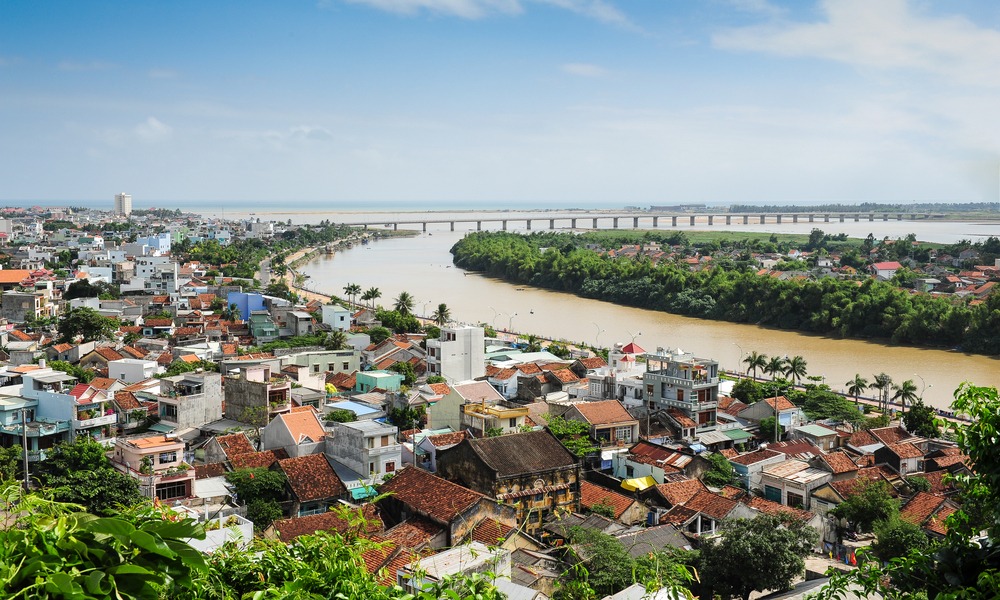
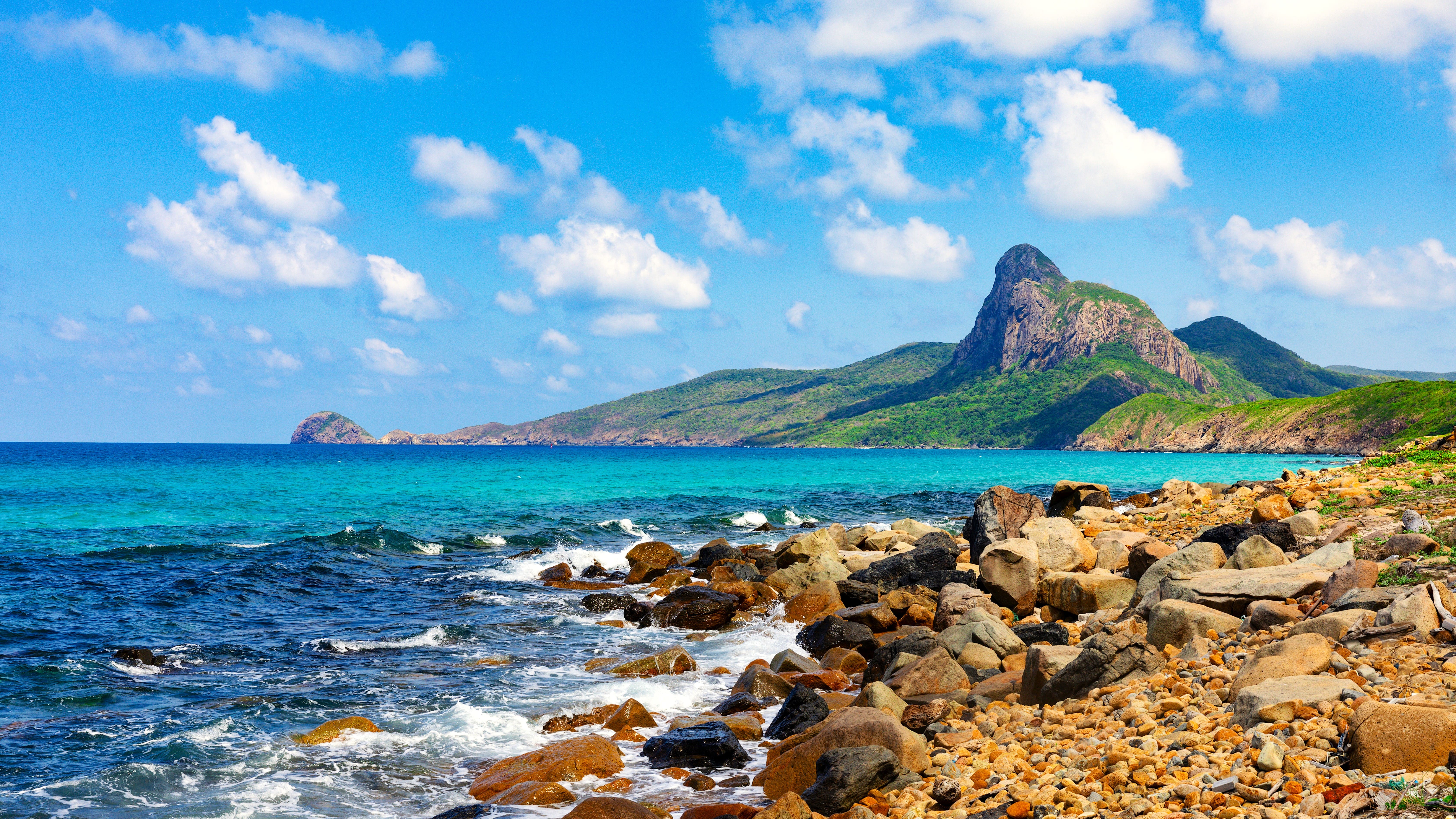
Let yourself be captivated by Quy Nhon, a still-discreet gem of Central Vietnam. Between postcard-worthy beaches, wild coves and verdant rice fields, this destination offers far more than a simple beach getaway. Dubbed Vietnam's "Little Maldives," it seduces with the beauty of its landscapes, the richness of its heritage and the generosity of its local cuisine. A trip to Quy Nhon is diving into an authentic and poetic Vietnam, far from tourist crowds.
History of Quy Nhon
For centuries, Quy Nhon has occupied a strategic position on the Vietnamese coast. Thanks to its favorable location, the city long served as a point of commercial exchange with several Asian nations, notably China, Japan and other Southeast Asian neighbors. The Cham civilization flourished here, leaving a lasting mark on the region until the 13th century, bequeathing numerous vestiges, including the famous Cham towers.
In the 19th century, the city came under French administration. During the Vietnam War, it became one of the main theaters of conflict between Vietnamese and American forces.
Quy Nhon Today
Spanning just over 280 km², Quy Nhon is today a dynamic city of more than 250,000 inhabitants. It has established itself as a regional economic hub, with key sectors such as fishing, agriculture and rubber production.
Its growing popularity among travelers seeking authenticity is striking. Still off the beaten path of mass tourism, it attracts visitors with its peaceful beaches, vibrant culture and relaxed atmosphere. Located between Da Nang and Nha Trang, it has become a preferred stop, with a growing range of accommodations, restaurants and services.
Points of Interest in Quy Nhon
Quy Nhon's Central Beach
A long ribbon of golden sand bordering the city, Quy Nhon's municipal beach is ideal for a morning swim or a sunset stroll. Perfect for relaxation, it comes alive at dawn with residents practicing tai chi, set against the backdrop of the great statue of Trần Hưng Đạo overlooking the bay.
The Twin Towers (Tháp Đôi)
Located in the heart of the city, these two red-brick Cham towers from the 12th century stand as a remarkable testament to the religious architecture of the ancient Champa kingdom. Easily accessible, they are surrounded by a peaceful garden.
Binh Dinh Museum
A must-visit for anyone wishing to understand the region's history. This museum offers exhibitions on Cham culture, the Vietnam War, local ethnic minorities, and displays fine ancient sculptures. A good cultural starting point before exploring the city.
Long Khánh Pagoda
Located in the city center, this pagoda founded in the 18th century stands out for its large copper Buddha, mosaic dragons and serene atmosphere. It remains a living place of worship, cherished for its typical architecture and Buddhist symbols.
Activities to Experience in the City
Attend a Martial Arts Demonstration
A cradle of traditional Vietnamese martial arts (võ Bình Định), Quy Nhon takes pride in its heritage. Local schools offer demonstrations accessible to visitors, and competitions are organized throughout the year, particularly during the "Đêm Võ đài Bình Định" festival between April and May.
Taste the Local Cuisine
The city is full of small restaurants and markets where you can savor regional specialties: banh hoi, bun cha ca (vermicelli with grilled fish), or the famous banh xeo (crispy crepe). All accompanied by fresh coconut juice or a Vietnamese iced coffee.
Stroll Through the Streets and Harbor
The waterfront, the lively streets of the city center, covered markets and the fishing port offer an authentic glimpse into local daily life. Perfect for getting a feel for the city and meeting its inhabitants.
FAQ
When to Visit?
The best time to visit Quy Nhon spans from March to September, during the dry season, ideal for enjoying the beaches, water activities and marine scenery. July and August are lively with festivals. From May to July, marine algae create a unique natural spectacle. Between October and February, the rainy season brings more unstable weather, but prices are more favorable.
Getting There:
- By Air: Regular flights from Hanoi or Ho Chi Minh City to Phu Cat Airport (35 km away). Easy transfer to the city center.
- By Train: Trains connect Hanoi, Ho Chi Minh City and Da Nang to Dieu Tri Station (30 minutes by road).
- By Luxury Train (The Vietage): A premium option linking Da Nang to Quy Nhon in 6 hours, with comfort, fine dining and panoramic views.
- By Bus: Long-distance connections from major cities, with economical or comfortable sleeper options.
Getting around Quy Nhon is straightforward. Taxis and motorcycle taxis are plentiful, especially near beaches and in the city center. For more freedom, renting a scooter or car makes it easy to explore the surrounding areas.
Want to discover this destination?
Our local advisors design your tailor-made trip.