Lao Bảo
Lao Bảo
Gateway to Laos along the East-West corridor, Lao Bảo blends colonial history, ethnic markets and the verdant landscapes of the Trường Sơn Mountains.
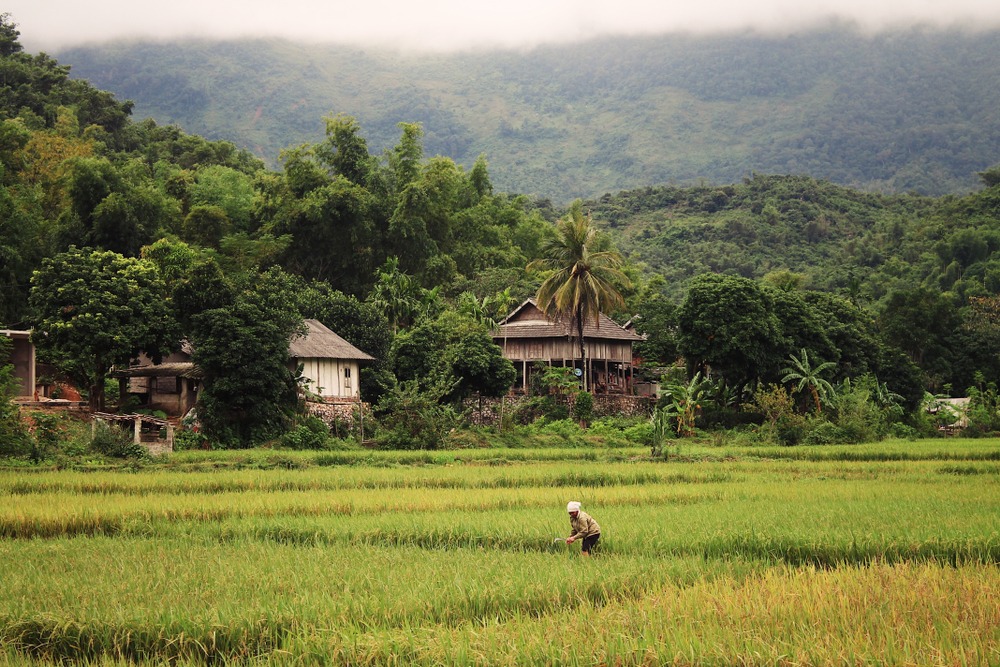
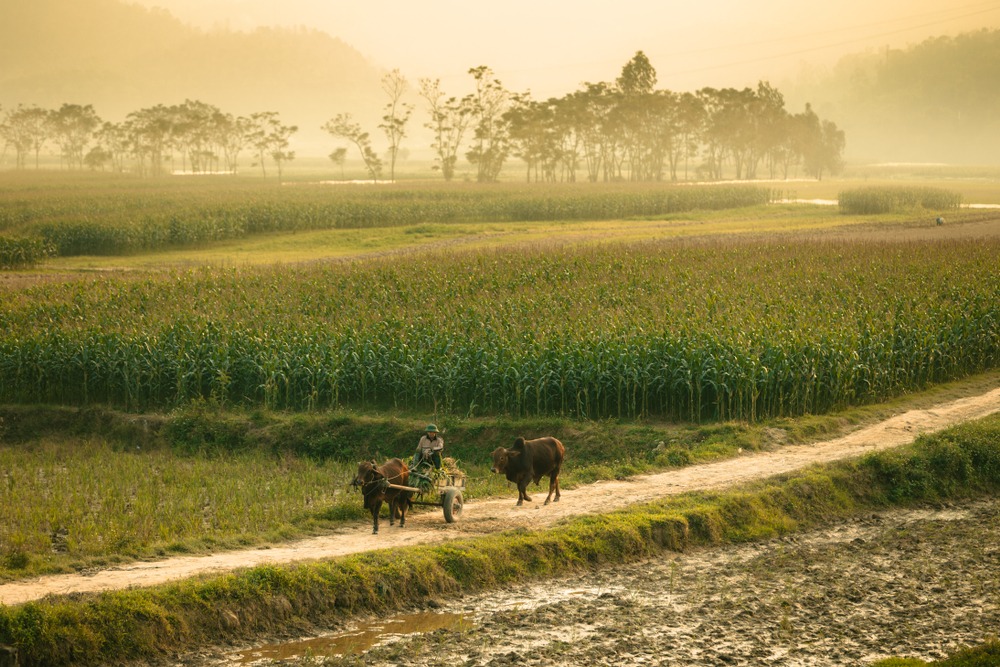
Nestled between Vietnam and Laos, Lao Bảo reveals itself as a small border town brimming with character, where commercial energy, cultural diversity and a frontier atmosphere converge. Cradled between lush mountains and winding rivers, this gateway to Indochina surprises visitors with its vibrancy and authenticity. Here, the constant flow of travelers, cargo trucks and locals creates a fascinating daily dance, reflecting the exchanges between two neighboring nations.
Where is Lao Bảo?
Located in Hướng Hóa District at the heart of Quảng Trị Province, Lao Bảo sits in central Vietnam, tucked between the Trường Sơn Mountains and the verdant valleys that separate it from Laos. Positioned approximately 80 km northwest of Đông Hà, this town holds a strategic location along National Highway 9 (Asian route AH16). This highway connects Vietnam's coastline to the Laotian city of Dansavanh in Savannakhet Province. Sprawling across the slopes of a limestone plateau overlooking nearby rivers, Lao Bảo serves as one of the primary—and busiest—international crossing points between Vietnam and Laos.
History
The Lao Bảo border post holds major significance in Vietnam's history. Once renowned for its wild terrain and feared forests, this remote area carried strategic and symbolic importance as far back as the Nguyễn Dynasty feudal period. Under French colonial rule, it became an essential passage point between Vietnam's coast and the interior of Indochina, as well as a place of detention (Lao Bảo Prison).
During the Vietnam War, the region experienced fierce combat. The surrounding Trường Sơn Mountains formed part of the famous Hồ Chí Minh Trail, the strategic route used by North Vietnamese forces. Today, the surrounding landscapes still bear traces of this heroic and tragic past, with remnants that contrast sharply with the vitality of the contemporary border post.
Recognized as an international border post since 1994, Lao Bảo has played a pivotal role in developing Quảng Trị Province and the East-West Economic Corridor (EWEC), linking Vietnam to Laos, Thailand and Myanmar. This place, a symbol of resilience and openness, embodies both the memory of past struggles and the vibrant exchanges among Indochina's peoples.
Lao Bảo Today
The Lao Bảo border post stands as a genuine gateway to the Indochinese Peninsula. Beyond its administrative function, this location symbolizes regional cooperation, economic dynamism and deep friendship between the two neighboring nations. It facilitates trade, tourism and even visa or e-visa procedures, attracting travelers, merchants and truckers daily.
Surprisingly dynamic for a small border town, Lao Bảo draws its vitality from cross-border trade: exporting agricultural and forest products, importing consumer goods, and economic exchanges with Laos and Thailand. This activity sustains local employment and contributes to the region's development. The Sê Pôn River, which marks the natural border between the two countries, flows through a landscape of dense forests and verdant mountains, offering a typical and well-preserved setting.
What to Do and See in Lao Bảo?
Explore the Border Market
Lao Bảo's market ranks among the town's most emblematic locations. Situated within a special economic zone, it draws Vietnamese and Laotian merchants as well as members of the local ethnic minorities.
Every Saturday morning starting at 6am, the market comes alive with around fifty stalls offering agricultural products, handicrafts and OCOP goods, along with specialties from the Vân Kiều and Pa Cô ethnic groups. You'll also find duty-free items, products imported from Thailand, Laotian silk, coffee, spices and essential oils.
More than a commercial hub, it's a space for cultural exchange where songs, dances and traditional dishes exemplify the brotherhood between the Vietnamese and Laotian peoples. The atmosphere grows particularly festive during Tết or at major cross-border fairs.
Visit the Historic Lao Bảo Prison
Among the most compelling sites stands Lao Bảo Prison (Nhà tù Lao Bảo), built in 1908 by French colonial authorities. Located 22 km from Khe Sanh, this former penitentiary fortress was among Indochina's five largest prisons. It held Vietnamese political and revolutionary prisoners, including future General Võ Nguyên Giáp.
Originally composed of bamboo cells, the prison was reconstructed in the 1930s in stone and concrete. Designated a special historic site in 1991, it now welcomes visitors as a place of national remembrance, commemorating the struggle for independence and the Vietnamese people's resistance.
Shop and Stroll Through the Shopping Center
For those who enjoy shopping, Lao Bảo houses a large duty-free shopping center with over 300 stalls. You'll find a wide variety of goods: household items, cosmetics, jewelry (gold and silver), textiles, imported products and precious stones. Prices are negotiable, though it's best to exchange currency beforehand, as local exchange rates are often unfavorable.
Savor Local Cuisine
Food enthusiasts shouldn't miss Lao Bảo's mountain specialties, renowned for their rustic flavors:
- Buffalo meat grilled in trơng leaves
- Mountain goat grilled to perfection
- Forest chicken marinated in lime leaves
- And more
Explore the Surroundings
The areas surrounding Lao Bảo offer stunning natural landscapes and several historic sites worth discovering:
- The Đakrông suspension bridge, symbol of Vietnamese resistance
- Klu and Tà Lùng mountains, ideal for nature enthusiasts
- Klu hot springs, perfect for relaxation
- Vân Kiều ethnic village, where local traditions come alive
- Khe Sanh base, a pivotal location in the Vietnam War
- And more
How to Get There?
By Private Car
Driving is the most comfortable option for reaching Lao Bảo from major cities in central Vietnam.
- From Đà Nẵng: 243 km, approximately 4 hours of driving.
- From Hội An: 277 km, approximately 5 hours of driving.
- From Huế: 150 km, approximately 2 to 3 hours of driving.
By Bus
Bus travel remains the most economical solution for reaching Lao Bảo:
- Đông Hà – Lao Bảo: 80 km, approximately 2 hours, 80,000 to 120,000 VND.
- Huế – Lao Bảo: 4 to 5 hours of travel, 250,000 to 350,000 VND depending on the bus company.
- Đà Nẵng – Lao Bảo: departure around 8am, approximately 250,000 VND.
- Savannakhet (Laos) – Lao Bảo: approximately 100,000 to 150,000 LAK.
Local shuttles run between Đông Hà and the border post. If you get off too early in the village of Lao Bảo (3 km from the post), motorbike taxis will take you to the border.
By Motorcycle
For road trip enthusiasts traveling from Đà Nẵng to Lao Bảo, a motorcycle offers a unique experience. The round trip covers 540 km with nearly 8 hours of riding. The route, particularly the Hải Vân Pass, is spectacular but demands good physical condition and heightened vigilance due to heat and mountainous terrain.
By Train or Plane
The closest railway station to Lao Bảo is at Đà Nẵng, connected to Hanoï via the national rail network. For travelers arriving from further afield, Đồng Hới Airport, 110 km away, is the best option, with road transfers available onward to Lao Bảo.
Want to discover this destination?
Our local advisors design your tailor-made trip.