Mu Cang Chai
Mu Cang Chai
In the heart of Yen Bai Province, Mu Cang Chai unfolds its terraced rice fields sculpted by the H'mong people. A complete guide to planning your journey.
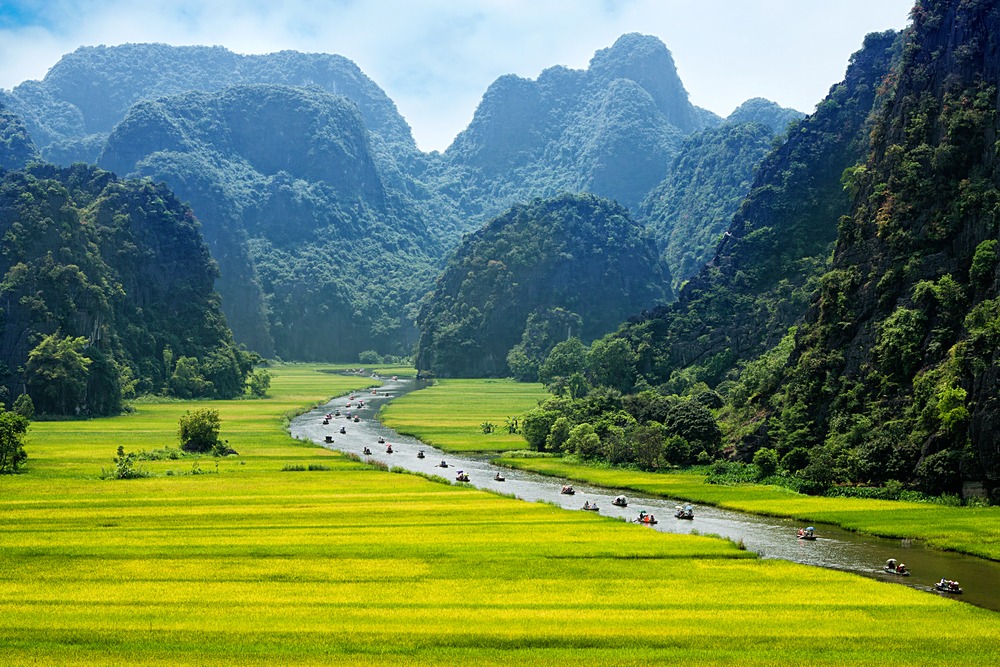
Nestled in the North-West of Vietnam, Mu Cang Chai district is renowned for its stunning terraced rice fields cascading down mountainsides, designated as a national natural heritage site. The spectacle offered by these rice paddies is particularly striking during harvest season, when they transform into brilliant golden hues, captivating both photography enthusiasts and trekkers alike. Yet Mu Cang Chai's fame extends beyond its breathtaking rice landscapes. The region's intact local culture plays an equally vital role, offering an authentic immersion into the lives of its ethnic communities.
A Brief History of This Yen Bai District
Mu Cang Chai was part of Dang Chau during the Ly Dynasty, and later belonged to the districts of Chieu Tan and An Tay under the last Le Dynasty. In 1900, French colonial authorities incorporated it into the newly created Yen Bai Province.
Today, much like Sapa and Hoang Su Phi, located some hundred kilometers to the north, Mu Cang Chai is celebrated for its terraced rice fields—a masterpiece created by local ethnic minorities.
What to Do in Mu Cang Chai?
Explore Its Most Beautiful Terraces and Meet the H'mong People
Mu Cang Chai's most picturesque terraced rice fields are found in the villages of Che Cu Nha, De Xu Phinh, and La Pan Tan. These villages are inhabited by the H'mong ethnic group. Visiting them offers insight into the customs and traditions of this fascinating culture.
Che Cu Nha Village
Che Cu Nha is located 20 km from Mu Cang Chai town, the district capital. With magnificent rice terraces as a backdrop, it's the perfect spot to capture memorable photographs during your stay in the region.
The residents of Che Cu Nha have preserved their traditional way of life. Visiting the village is an excellent opportunity to immerse yourself in H'mong culture.
De Xu Phinh Village
At De Xu Phinh, inhabitants have likewise maintained their ancestors' lifestyle. Women continue to wear the distinctive clothing of their ethnicity.
Situated along the roadside, the village offers a refreshing atmosphere and serves as a must-stop for travelers seeking striking photographs.
La Pan Tan Village
La Pan Tan, 15 km from Mu Cang Chai, is equally recommended for visitors seeking an exceptional destination. Moreover, its residents are remarkably welcoming.
The village perches quietly atop Khau Pha Pass, the largest pass in the region, and affords magnificent panoramic views of the rice fields.
Hiking and Trekking
While the Sapa area is more renowned for these activities, trekking is also possible around Mu Cang Chai. Your adventure will lead you to remote villages far from the beaten path.
However, since hiking and trekking are less developed here, it's strongly recommended to work with a local travel agency to organize your adventure and provide professional guidance.
Visit Khau Pha Pass
Spanning more than 30 km, Khau Pha ranks among the four largest passes in North Vietnam. Located just beyond Tu Le, it connects Mu Cang Chai to Van Chan. Exploring this terrain by motorbike or car offers the chance to admire the stunning natural landscape spread throughout. Its summit sits at 1,200 meters elevation.
Attend the Rice Field Festival
If you visit Mu Cang Chai in late September, don't miss its rice field festival, centered on rice and local customs. Various cultural activities such as traditional dances, songs, music, goat fights, and more take place during this vibrant event.
Visit Mam Xoi Hill
Mam Xoi Hill is an essential stop when visiting La Pan Tan. It symbolizes rice maturity in the region. The site also features a buckwheat flower garden and traditional clothing rental services. You can rent garments to capture exceptional photos near the hill.
Where to Stay in Mu Cang Chai?
In Mu Cang Chai district, accommodation options are primarily limited to guesthouses and motels, strategically scattered throughout the district capital, in Nghia Lo, and in Tu Le. To ensure a hassle-free stay, advance reservations are highly recommended, especially if you're planning to explore the region during harvest season.
Among the finest accommodations in Mu Cang Chai are:
Mu Cang Chai Ecolodge
Mu Cang Chai Ecolodge hosts guests in 9 boutique bungalows and 17 comfortable dormitory rooms. The establishment features a restaurant, garden, and terrace. Each room is equipped with a private bathroom and complimentary wifi. The hotel overlooks a lake and is situated 20 km from Mu Cang Chai town center.
Champ Tu Le Resort Hot Spring & Spa
The rooms at this Tu Le property offer mountain views and are outfitted with all amenities guests may need, including flat-screen televisions with satellite channels, refrigerators, and electric kettles. Guests also enjoy access to an indoor pool and terrace. Additionally, the establishment houses a restaurant and serves a buffet breakfast.
Mu Cang Chai Big View Homestay
This guesthouse is located in Sung Lu Chay, perched on a hill surrounded by terraced rice fields, with a garden on the grounds. The accommodation features a shared kitchen and bathroom with complimentary toiletries. A picnic area and well-positioned terrace are also available.
Mountain Town Hotel
Mountain Town Hotel, a two-star property, provides a refreshing and peaceful atmosphere. The rooms are spacious and appointed with elegant, sophisticated furnishings. The hotel is located in Mu Cang Chai town.
Thanh Cong Hotel
Like Mountain Town Hotel, Thanh Cong Hotel is another recommended option for travelers wishing to stay in the heart of Mu Cang Chai. The property features 19 carefully decorated rooms tailored to guests' needs. Its location allows easy access to local attractions, restaurants, and transportation.
When to Visit Mu Cang Chai?
Mu Cang Chai is an enchanting destination throughout the year, but for a truly unforgettable experience, plan your visit during rice harvest season, from mid-September to mid-October. As mentioned earlier, this is when the famous terraced rice fields display breathtaking golden hues, creating truly magical panoramas.
The irrigation period (April-May) is also worth considering. During this part of the year, summer rains transform the rice fields into vast mirrors. The water displays a brilliant blend of colors reflecting the contrast between reddish soil, azure sky, and the green of surrounding forests.
Mu Cang Chai is located approximately 305 km from Hanoi. It is accessible by bus, car, or motorbike from the capital.
Buses serving the local population are the most economical means of reaching Mu Cang Chai. They depart from My Dinh or Giap Bat bus stations. However, note that due to their service quality, they may not suit foreign tourists.
An excellent public transport option to reach Mu Cang Chai is the premium bus service, equipped with very comfortable, clean seats and providing wifi connectivity. Additionally, this type of bus makes no stops en route to pick up passengers. The journey takes between 6 and 7 hours.
Motorbike travel appeals to tourists seeking an exhilarating adventure. However, it is reserved only for those with extensive two-wheel experience. Moreover, it requires thorough preparation.
Exploring Mu Cang Chai requires approximately three or four days. For this reason, traveling by private car with a professional driver or guide constitutes the best option for discovery.
Mu Cang Chai or Sapa?
Travelers often face this dilemma. Choosing between these two destinations renowned for terraced rice fields depends on individual travel preferences.
Sapa is more developed than Mu Cang Chai and offers greater variety in activities, including mountain trekking, visits to small ethnic villages, and colorful markets. Mu Cang Chai, meanwhile, guarantees a more peaceful exploration, away from crowds. However, we recommend visiting both if time permits.
Want to discover this destination?
Our local advisors design your tailor-made trip.