Tuy Hoa
Tuy Hoa
A small coastal town in central Vietnam, Tuy Hoa captivates with its nearly deserted beaches, dramatic basalt reef, and peaceful rhythm far from the crowds.
The provincial capital of Phu Yên, Tuy Hòa reveals itself as a charming small coastal town. The region stretches between southern and central Vietnam, spanning an area of 107 km². During a visit, you'll immerse yourself in a picturesque landscape and pristine nature. Plan your trip for April, when the region hosts its most significant event: the Cau Gu festival, marked by numerous religious rituals and parades in vibrant traditional costumes.
History
In 1936, Tuy Hòa benefited from its first railway line, connecting it to Saigon and Hanoi, Vietnam's capital. Between 1965 and 1966, the city transformed into a military base, occupied by the American air force during the Vietnam War. After being requisitioned by the people's army in 1975, the area remained deserted for several years.
Today
Three distinct environments shape all of Tuy Hòa: beaches, mountains, and waterways fed by the Đà Rằng River. Though the city remains largely undiscovered by visitors, this situation delights many travelers seeking absolute tranquility.
What to Visit in Tuy Hoa?
To discover Tuy Hòa, here are the sites you shouldn't miss during your stay in the city.
Its Magnificent Beaches
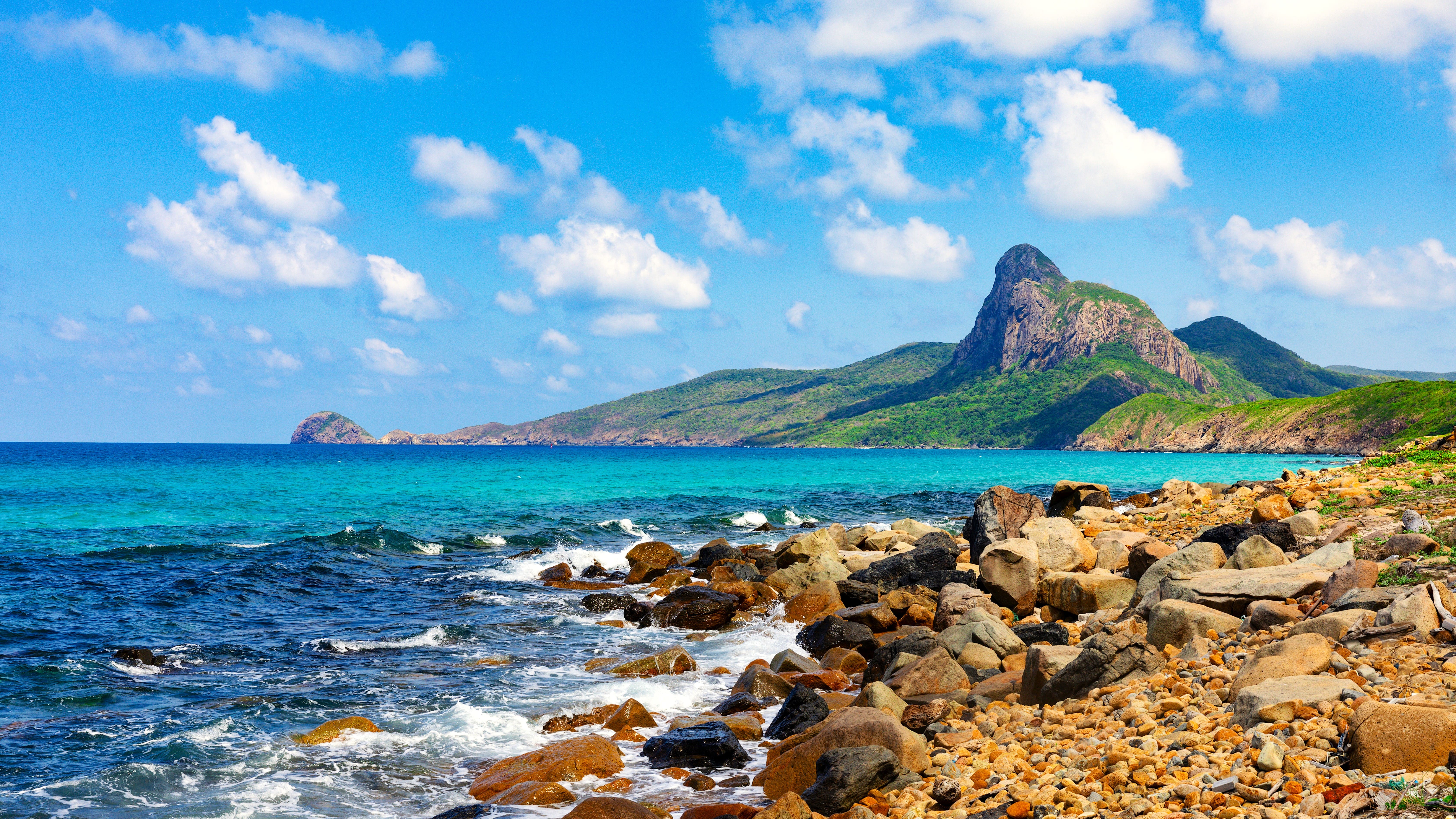
For dream vacations, nothing beats a quick getaway with family, a partner, or friends on the long, nearly deserted beaches of Tuy Hòa. Approximately 11 km north of the city lies Bai Sep beach. The place overflows with charm, its white sand punctuated by rocky outcrops. Further south stretches Bai Mon beach, where you can relax on expanses of white sand and turquoise waters. A lighthouse built during the colonial era—now an iconic landmark of the locality—completes the scenery. Nearby extends Dai Lanh beach, whose unparalleled beauty is said to have deeply inspired Emperor Ming Mang. In October, enormous waves favor the most popular vacation activity: surfing.
Mằng Lăng Church
This medium-sized place of worship was constructed in neo-Gothic style. Its true appeal lies in its verdant gardens and tree-filled spaces where tall palms flourish. Built in 1892 and rich in history, the structure was administered by French missionary La Cassagne. The site also once housed Jesuit writer Alexandre de Rhoides, the principal author of the Latin work "Cathechismus in octo dies divisus." Now an important pilgrimage destination, the small cathedral draws numerous believers to honor the memory of the martyr Andrew of Phu Yen.
Ganh Da Dia Reef
Ganh Da Dia, located 40 km north of Tuy Hòa, promises your most spectacular stop. The site's uniqueness stems from its basalt columns in varying sizes and shapes. These natural structures are believed to result from the abrupt contact of scorching lava with seawater. You'll gain a better view by following the coast by motorbike. In geological terms, Ganh Da Dia constitutes an enriching discovery for future researchers.
Ho Hoc Ram Waterfalls
This natural wonder captivates travelers with its magnificent cascading waterfalls, perfect for swimming. These falls are located less than 30 km south of Tuy Hòa.
Vung Ro Bay
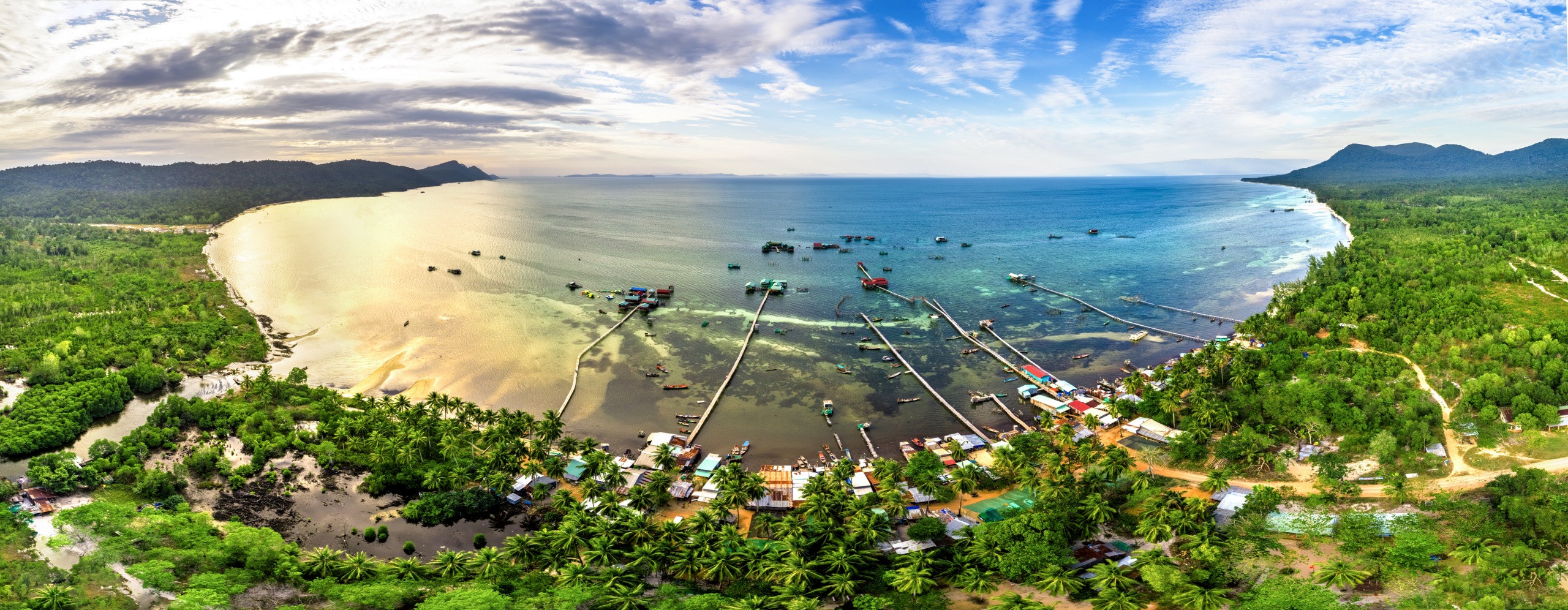
If you seek an unusual landscape, you'll experience memorable moments visiting Vung Ro bay. About thirty kilometers from Tuy Hòa and 6 km from Dai Lanh Cape, the site features nearly a hundred floating houses amid a legendary and romantic setting worthy of photographs. Locals, living primarily from fishing, will gladly teach you about their traditions and expertise.
Some Trekking
Climbing the slopes of Thap Nhan mountain, the path leads you toward the ruins of a tower that once belonged to the powerful Champa kingdom. Moreover, you'll enjoy a splendid view of the city gleaming at dusk. Da Bia, at 700 m elevation, represents Tuy Hòa's highest mountain. This massif stands out for its gigantic limestone rock that seems to jut from the summit. From there unfolds a spectacular vista over Vung Ro bay and surrounding beaches.
Practical Information
Climate
Tuy Hòa presents varied climatic conditions throughout the year, but the ideal period to visit the city falls between February and June. July to September feature very high temperatures, while October to December mark the storm season.
Gastronomy in Tuy Hoa
The culinary specialties of Tuy Hòa most often center on freshly caught seafood, as it's a coastal city. Dishes are prepared with fish, crab, or jellyfish, though traditional fare always features on menus. To change from traditional pho soup or bun bo hue, if you've already tasted them, try bo ne bit tet, served with bread. The dish consists of beef steak accompanied by a fried egg, Vietnamese meatballs, cucumber slices, fries, and homemade mayonnaise, all bathed in steak juice.
You'll have three options to choose from. The first option is to fly to Don Tac airport in Hanoi or Tan Son Nhat in Ho Chi Minh City. The second alternative involves traveling by train and alighting in Hanoi (24 hours of travel) or Ho Chi Minh City (11 hours by road). The other solution involves taking a bus heading to Hanoi or Ho Chi Minh City via the highway connecting the two cities.
Besides scooters and cars, xe om (motorbike taxis) and cyclo rickshaws are easy to find throughout the city. You can rent them at reasonable daily rates. However, exploring Tuy Hòa in all its corners is easiest on foot.

Want to discover this destination?
Our local advisors design your tailor-made trip.