The South and Mekong Delta
From vibrant Ho Chi Minh City to the nine arms of the Mekong, southern Vietnam unfolds between colonial memory, floating markets at dawn and the unhurried pace of sampans gliding through coconut groves.
Southern Vietnam revolves around two contrasting poles: Ho Chi Minh City, formerly Saigon and now the economic capital with 9 million inhabitants, and the Mekong Delta, a labyrinth of water and rice paddies stretching across 40,000 km² down to the South China Sea. From our office in the capital, we organize circuits that typically cover both worlds in 4 to 7 days, long enough to grasp their complementary nature.
Ho Chi Minh City is best discovered neighborhood by neighborhood. District 1 concentrates French colonial heritage: the Notre-Dame Cathedral in Toulouse brick, the central post office designed by Gustave Eiffel, the opera house and the Continental Hotel where Graham Greene wrote The Quiet American. District 5, Cholon, has been home to the Chinese community since the 18th century, with its temples (Thien Hau, Quan Am) and Binh Tay market. For war history, the War Remnants Museum and Cu Chi tunnels, 70 km to the northwest, remain the two sites we recommend—the latter allowing you to understand the 250 km of galleries carved by hand by the Viet Cong between 1948 and 1975.
The Mekong Delta officially begins at My Tho, two hours' drive south of Saigon. Here, the river—after traveling 4,350 km from the Tibetan plateau—divides into nine arms before reaching the sea, earning it the Vietnamese name Cuu Long, the Nine Dragons. The region produces half the country's rice, 70% of its fruit and virtually all its farmed shrimp. Ben Tre lives off the coconut palm (candies, fibers, activated charcoal), Vinh Long off bonsai trees and traditional brick kilns, Sa Dec off flower nurseries that inspired Marguerite Duras in The Lover.
Can Tho, the delta's capital with 1.2 million inhabitants, serves as a logical base for reaching the floating markets. The Cai Rang market, 6 km from the center, begins transactions at 5:30 a.m.: wholesalers moor their sampans laden with pineapples, sweet potatoes or watermelons, signal their goods by hanging them on a bamboo pole (the cây bèo) and negotiate with retailers until around 8 a.m. Further to the southwest, Chau Doc and the Cambodian border open onto Sam Mountain, the Muslim Cham villages along the Bassac and the flooded forests of Tra Su, where you travel by boat beneath a canopy of cajeput trees.
At table, the south cooks sweet and savory where the north remains restrained. In Ho Chi Minh City, try banh xeo (turmeric crepe filled with shrimp and bean sprouts), com tam (broken rice with grilled pork) and banh mi from Ben Thanh market. In the delta, whole fried elephant ear fish, canh chua tamarind soup and hu tieu Nam Vang with Khmer influences sum up the region's blend with Khmer Krom and Cham minorities.
The climate is uniformly tropical: 28 to 33°C year-round, no cold season. This stability simplifies scheduling, but requires careful timing to avoid brief afternoon showers between May and November.
Things to Discover
Cai Rang floating market at dawn. Sampan departure at 5:30 a.m. from Ninh Kieu dock in Can Tho. An hour's journey among junks loaded with fruit, Vietnamese coffee served aboard and a stop at a rice noodle factory.
Cu Chi tunnels. Network of 250 km of galleries carved by hand through red laterite. Two-hour visit 70 km from Ho Chi Minh City, with the option to descend into a widened section for visitors.
Tra Su flooded forest. North of Chau Doc, 850 hectares of immersed cajeput trees that you traverse by rowboat. Concentration of egrets and gray herons visible year-round, optimal in November.
Colonial Ho Chi Minh City on foot. Three-kilometer loop between the central post office, Notre-Dame Cathedral, Dong Khoi Street (formerly Catinat Street) and the Museum of Fine Arts housed in the former villa of merchant Hui Bon Hoa.
Ben Tre coconut groves. A day cycling through hamlets on Phoenix Island, demonstration of a traditional coconut candy factory and lunch with a local family in a pomelo orchard.
When to Go
We recommend the dry season, from December to April, to explore the south and delta. Temperatures range from 25°C at night to 33°C during the day, with manageable humidity (around 70%). March and April are the warmest months, regularly reaching 35°C in Ho Chi Minh City in mid-afternoon, which weighs on urban visits but remains manageable in the delta thanks to river breezes.
From May to November, the southwestern monsoon brings tropical showers lasting one to two hours, often around 3:00–4:00 p.m., followed by clear skies. Rainfall can reach 300 mm in September and October, the wettest months. This period is not to be ruled out for the delta: the swollen Mekong arms are fuller, rice fields are green and landscapes are more photogenic than in the dry season. Avoid late January to mid-February, however, if your dates coincide with Têt, as floating markets and many workshops close for 5 to 7 days.
Practical Advice
Allow 2 full days for Ho Chi Minh City (colonial sights, War Museum, Cholon, plus an excursion to Cu Chi) and 2 to 4 days for the delta depending on how deeply you wish to explore. A short loop My Tho–Ben Tre–Can Tho completes in 2 nights; adding Chau Doc and Tra Su Forest requires 2 additional days, with possible return by speedboat to Phnom Penh for those extending to Cambodia. Tan Son Nhat International Airport in Ho Chi Minh City is the obvious entry point, served directly from Paris.
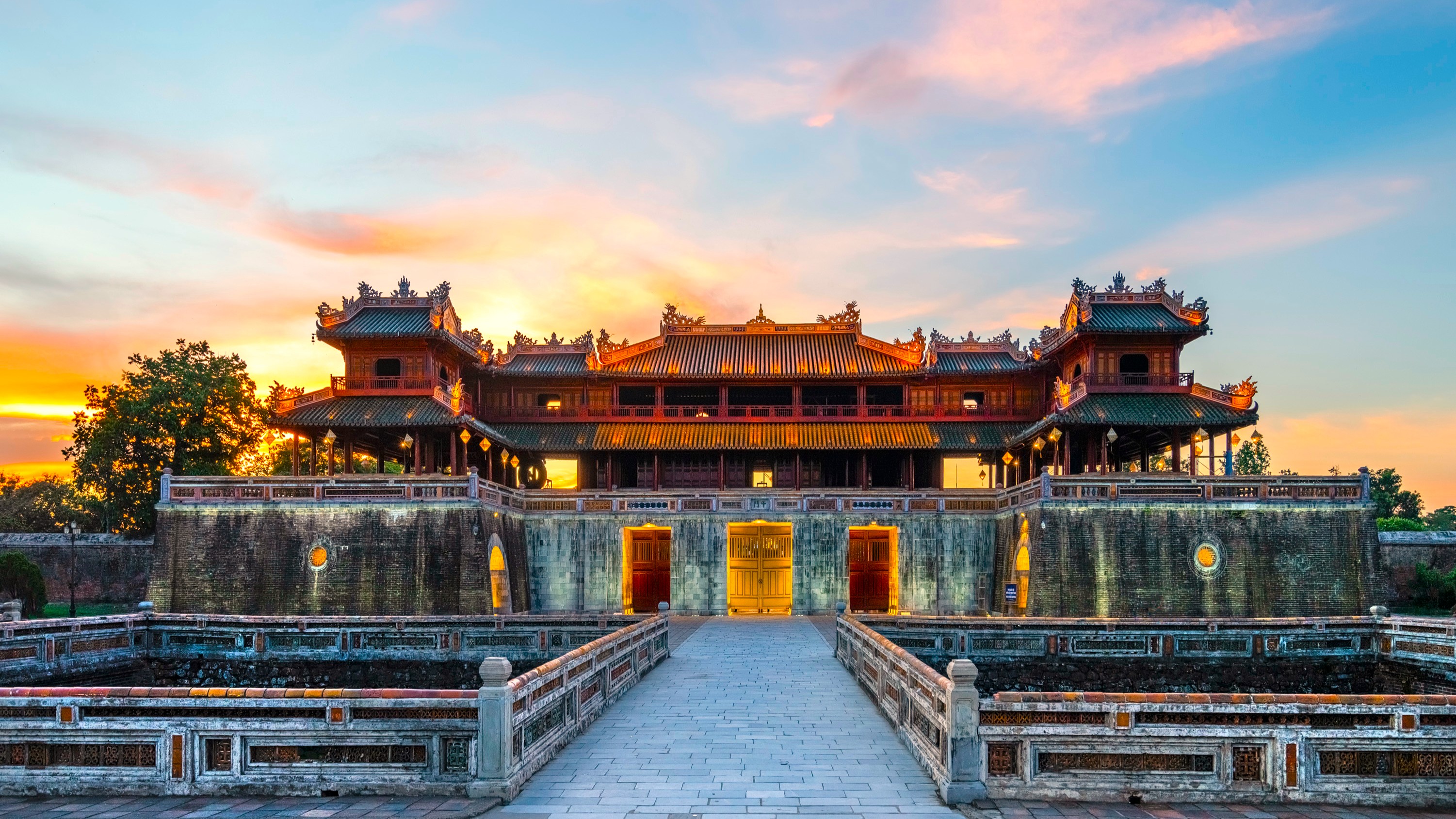
This region combines well with the Imperial Center (1-hour 15-minute flight to Hué or Danang) for a classic north-south circuit of 12 to 15 days, or with the Islands and Coast via Phu Quoc, 1 hour by flight from Ho Chi Minh City, to finish with a few days of beach. The south suits contemplative travelers who love water, the unhurried pace of sampans and encounters in the orchards, as well as families: minimal elevation change, short boat distances, homestay accommodations accessible from age 6–7. Hikers will find more to explore in the mountainous North or on the Central Highlands.