Electricity and Power Outlets in Vietnam
Before setting off to explore Vietnam, it's helpful to know a few practical details to travel with peace of mind. Among them, one of the most often overlooked concerns electricity and local power outlets.
Before setting off to explore Vietnam, it's helpful to know a few practical details to travel with peace of mind. Among them, one of the most often overlooked concerns electricity and local power outlets. Nothing is more frustrating than being unable to recharge your phone, camera, or laptop after a day of adventure! To avoid such inconveniences, it's essential to understand how electrical current works in the country.
Local Characteristics and Global Context
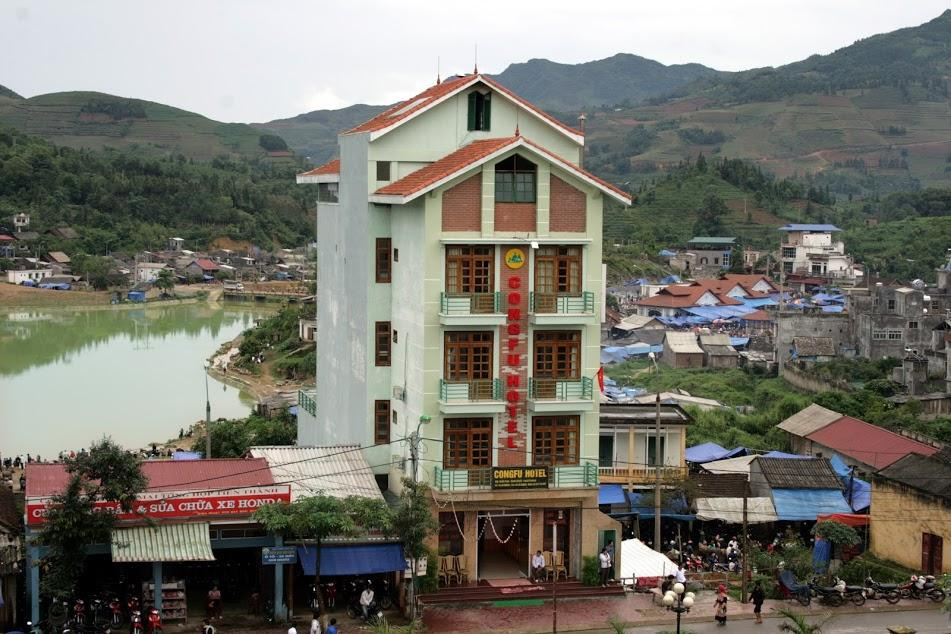
Vietnam's electrical network is distinguished by cables installed in the open air, suspended above streets rather than buried underground. This configuration, typical of many Southeast Asian countries, makes installations more exposed to bad weather. Violent storms or tropical typhoons can occasionally cause power outages, especially in rural or mountainous areas. In major cities, these incidents remain relatively rare and short-lived, as infrastructure is better maintained.
Electricity supply also depends on economic activity: high consumption can lead to local variations or temporary outages. However, much depends on the neighborhood: newer developments and tourist areas generally enjoy a more stable network, while older buildings may have more fragile installations.
The national utility Vietnam Electricity (EVN) ensures the production, transmission, and distribution of electricity across the entire country. Overall, the country offers a reliable network that meets international standards, sufficient to guarantee the comfort of well-equipped travelers. Even if occasional interruptions can occur, they rarely affect the smooth running of your stay.
Voltage and Electrical Compatibility in Vietnam
Electricity in Vietnam operates on alternating current (AC) with a standard voltage of 220 volts and a frequency of 50 hertz. This system is not dual voltage. If you're coming from a country using between 220 and 240 V (such as France, most European countries, Australia, the United Kingdom, as well as much of Africa and Asia), your devices will work without any problem, as they are already designed to support this voltage range.
However, travelers from North America, Japan, or certain Central American regions, where standard voltage is between 100 and 127 V, need to be more careful: their devices may not withstand Vietnamese voltage. If your equipment indicates "INPUT : 100-240 V, 50-60 Hz", it is compatible worldwide and only requires a plug adapter. Otherwise, you'll need to use a voltage converter to prevent overheating or damage.
Moreover, differences in frequency (50 Hz in Vietnam versus 60 Hz in some countries) generally don't affect small electronic devices, but can disrupt the operation of rotating or timed appliances such as razors, clocks, or electric heaters. For added safety, always check the label on your devices before plugging them in: this simple precaution will save you any unpleasant surprises during your stay in Vietnam.
What Types of Plugs and Outlets Are Used in Vietnam?
In Vietnam, several types of outlets coexist depending on regions and buildings. Most homes, hotels, and tourist establishments use two or three-pin outlets capable of accommodating different international formats.
The most common models are:
- Type A: 2 flat parallel pins, also used in the United States and Japan
- Type C: 2 round pins, European standard, compatible with Type E and F plugs
- Type F: 2 round pins with grounding, similar to the European model
- Type D and G: rarer, with 3 pins, sometimes found in certain international hotels or older buildings.
In practice, Types A and C remain dominant throughout the country. It also happens that some outlets are multi-format, accepting several types of plugs in the same socket (a practical feature in tourist accommodations). Furthermore, to avoid any unpleasant surprises, don't forget to check the shape of the outlet before plugging in your device, as installations vary depending on the age of buildings and regions.
Why Use an Adapter in Vietnam?
If the shape of Vietnamese outlets differs from your home country's, it's advisable to bring a universal adapter before departure, ideally a multi-outlet model compatible with over 150 countries. You can purchase one online, at airports, or directly in Vietnam.
The average price of a simple adapter is around 3 to 4 USD, or 80,000 Vietnamese dong. You can easily find them in electronics stores, groceries, bookstores, convenience stores, or markets (notably Ben Thanh in Ho Chi Minh City or in Hanoi's old quarter).
Moreover, most hotels and hostels lend them free of charge or simply ask for a small deposit. Check the adapter model carefully before purchasing it to ensure it meets your needs.
Converter and Safety Precautions
Since the electrical current in Vietnam is 220 V / 50 Hz, always check the compatibility of your devices before plugging them in:
- A device marked "100-240 V, 50/60 Hz" is compatible, and only an adapter is needed.
- A device marked "110 V" or "120 V" requires a voltage converter to prevent any damage.
- Powerful appliances (hair dryers, razors, medical devices) should be used with caution, as the 50 Hz frequency can affect their operation.
If you're uncertain, don't plug in the device. Prioritize modern dual-voltage equipment and bring a compact converter just in case. This way, you can recharge your devices safely and with peace of mind during your trip to Vietnam.
Practical Tips
Before departing, verify that your devices support the local voltage of 220 V / 50 Hz and bring a universal adapter (Types A, C, D). To travel safely:
- Check the compatibility of your devices and bring your chargers and a power bank.
- Never use electrical appliances with wet hands or in humid areas.
- Never touch damaged cables or outlets and don't force a plug that doesn't fit properly.
- Be alert to unusual sounds, odors, or heat indicating an electrical problem.
- Avoid using your devices while charging to prevent overheating.
- At your hotel, check the outlets and request repairs if necessary. Outdoors, protect your equipment with a waterproof case and, if needed, use an extension cord ("ổ cắm kéo dài").
By following these precautions, you'll enjoy your stay in Vietnam without risk to your devices.