Language Spoken in Vietnam and Communication
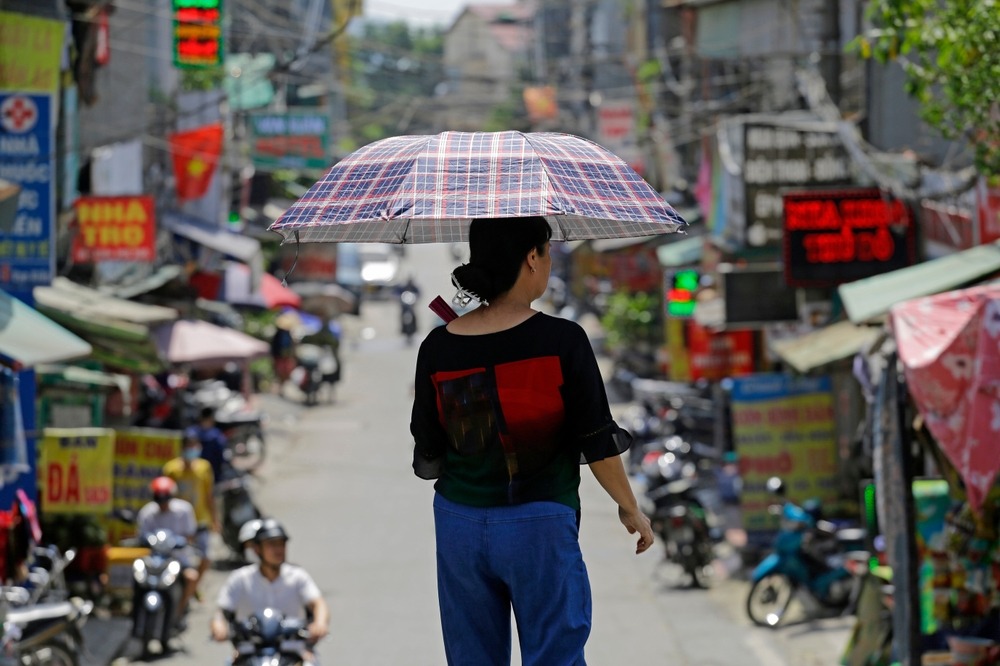
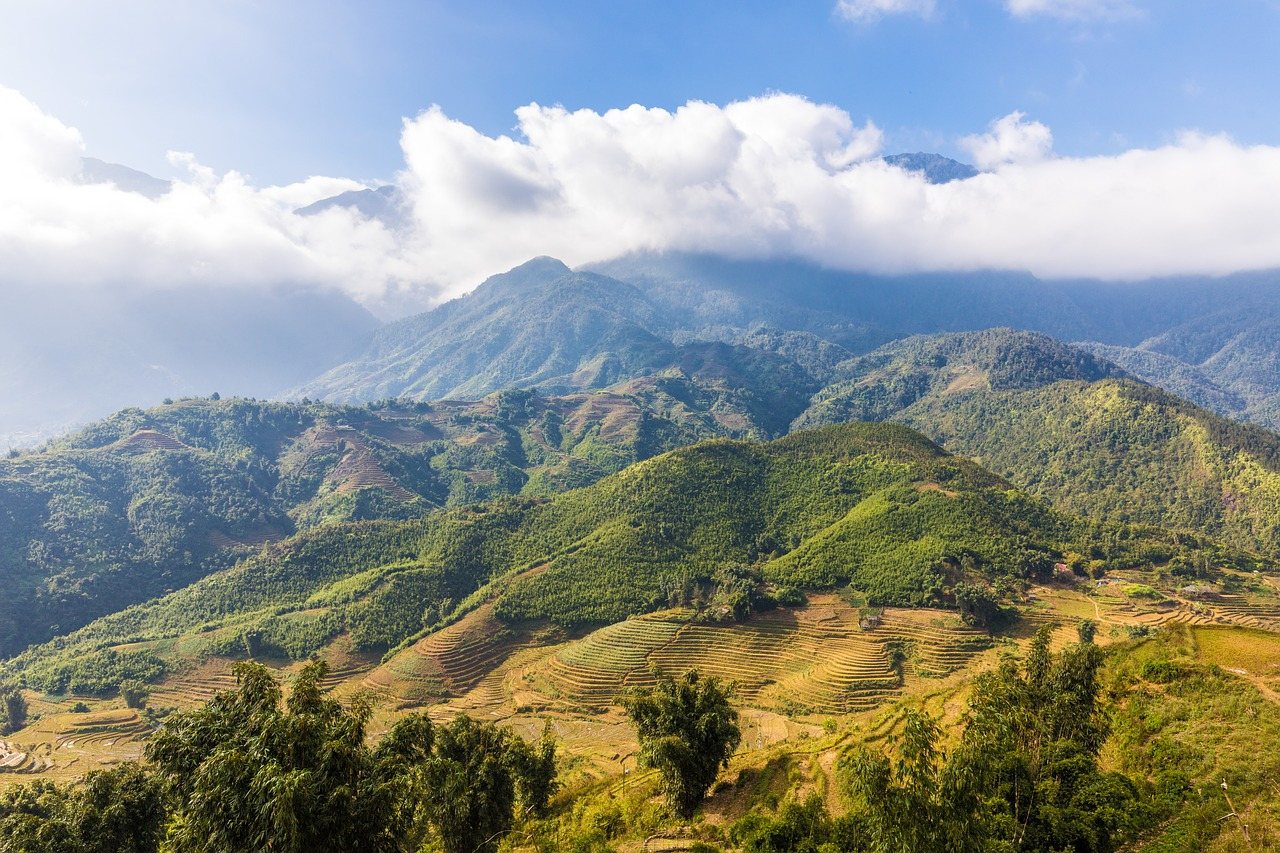
Traveling to Vietnam means discovering far more than spectacular landscapes and rich traditions. It also means stepping into a world where language plays an essential role in everyday life. Vietnamese, a tonal national language, reflects the country's culture and history.
Traveling to Vietnam means discovering far more than spectacular landscapes and rich traditions. It also means stepping into a world where language plays an essential role in everyday life. Vietnamese, a tonal national language, reflects the country's culture and history. Melodious and sometimes surprising for visitors, it lies at the heart of local exchanges and daily life. Familiarizing yourself with this language and understanding a few communication keys opens the door to even more authentic and warm encounters with the local people.
Vietnamese, the Official Language of Vietnam
The official language of the country is Vietnamese (Tiếng Việt), spoken by approximately 84% of the population. It is the language of the majority ethnic group known as the Kinh (a term derived from "kinh đô" meaning "capital" or "major city").
Vietnamese is used in administration, education, media, and daily life. Despite this linguistic homogeneity, Vietnam remains a multicultural country with more than 54 ethnic groups and over 100 languages and dialects, belonging notably to the Austro-Asiatic, Sino-Tibetan, Tai-Kadai, Hmong-Mien, and Austronesian families.
Moreover, the country's length explains the variety of accents:
- North (Hanoi): national reference point, marked tones, emphasized consonants
- Central (Huế): sometimes challenging intonations, particular vocabulary
- South (Ho Chi Minh City): simplified sounds, softer tones, absent dental consonants.
These nuances are part of the charm of the language and add to the cultural richness of your journey. Even if certain differences may surprise you, communication remains fluid between speakers.
A Tonal and Monosyllabic Language
Vietnamese belongs to the Austro-Asiatic family and is characterized by its tonal system: 6 tones in the North, 5 in the South (confusion between hỏi and ngã), and variations in the central region. Each syllable possesses a tone that completely changes the meaning of the word, which can disconcert English-speaking travelers.
The language is monosyllabic, isolating, with no conjugation or declension, and a dominant subject-verb-object word order. Personal pronouns, highly nuanced and linked to social or family relationships, play an essential role in politeness and social hierarchy.
Furthermore, while the Northern, Central, and Southern dialects present differences in vocabulary, tones, and pronunciation, they remain perfectly intelligible to one another. In practice, each person freely adapts their accent, even though the official reference standard is that of the North.
Multiple Linguistic Influences
Vietnam's history has profoundly shaped its language. For nearly a millennium, Chinese domination introduced a vast Sino-Vietnamese vocabulary, visible in culture, administration, literature, and scholarly terms. Over time, these words were adapted to local phonetics.
Later, during French colonization, numerous French words enriched the vocabulary, particularly in the administrative, technical, and educational fields. In the twentieth century, Russian and then English influence was added with the country's economic opening and international integration.
Today, Vietnamese therefore comprises 3 major lexical layers:
- Purely Vietnamese vocabulary
- Borrowings from Classical Chinese
- Borrowings from French, Russian, and English, phonetically adapted.
Ethnic Minorities and Linguistic Diversity
While Vietnamese is the official and national language, the country stands out for its extraordinary linguistic richness. There are more than 110 languages and dialects linked to the 54 ethnic groups on the territory. Among them, we can cite:
- Tày
- Thái
- Mường
- Khmer
- Hmong
- Nùng
- Cham
- Thành Hóa
- Nùng
- Hmong
- Other northern highland languages.
These languages and dialects remain vibrant, particularly in rural regions and traditional communities.
Furthermore, among the 54 ethnic groups, 24 have their own writing systems (Thai, Mong, Tay, Nùng, Khmer, Gia Rai, Ede, Cham, etc.). Eight writing systems are taught locally (for example Thai, Hoa, Khmer, Cham, Ede, Tay-Nung, Co Ho, Lao), promoting cultural transmission despite the country's evolution.
Foreign Languages
In Vietnam, the linguistic landscape reflects both history and the country's current openness. Even though Vietnamese remains the language of everyday life, in major cities and tourist areas, it is English that has now emerged as the primary foreign language. Since the country's economic opening and the influx of international travelers, it is widely used in hotels, restaurants, travel agencies, and services.
The majority of young Vietnamese learn English from primary school onwards, which greatly facilitates exchanges in popular destinations such as Hội An or Huế. Conversely, English remains rarer among older generations, street vendors, or in rural and mountainous areas, where conversations will be conducted primarily in Vietnamese.
Moreover, French retains a more discreet but very real place, a legacy of the colonial period, and is still present in certain academic and diplomatic circles. A few speakers (often scholars or elderly people) practice it with finesse, and French influence can be found in everyday vocabulary: ga (station), cà phê (coffee), bánh mì (bread or sandwich).
In certain urban neighborhoods, particularly within trading communities, you will also hear Chinese, a testament to historical and cultural ties with China.
Useful Expressions
Even if you don't master the language, communication remains smooth thanks to the kindness of the locals, always ready to help. A smile is your best ally: here, it replaces many words and instantly opens dialogue.
Learning basic greetings often creates a warm connection, even if your accent isn't perfect. Vietnamese people welcome any attempt with goodwill, and a slightly clumsy word often brings a kind smile.
To help you get started, here are some useful phrases:
- Hello - Xin chào
- Goodbye - Tạm biệt
- Thank you - Cảm ơn / Cám ơn
- Excuse me / Sorry - Xin lỗi
- How are you? - Bạn khỏe không ? / Khỏe không ?
- My name is… - Tên là … / Tôi là …
- I don't understand - Tôi không hiểu / Không hiểu
- Do you speak English? - Nói tiếng Anh không ? / Bạn có nói tiếng Anh không ?
- How much is it? - Bao nhiêu ?
- Where? - Ở đâu ?
- When? - Khi nào ?
- How? - Thế nào ?
- Why? - Tại sao ?
- Today - Hôm nay
- Tomorrow - Ngày mai
- Yesterday - Hôm qua
- What time? - Lúc nào ?
- Yes - Có (or Vâng depending on context)
- No - Không
- Where are you from? - Bạn từ đâu đến ?
- I'm from… - Tôi đến từ…
- Pleased to meet you - Rất vui được làm quen với bạn
- Do you understand? - Bạn hiểu không ?
- I understand - Tôi hiểu rồi
Practical Tips for Easy Communication in Vietnam
To facilitate communication with Vietnamese people, a few simple tricks will be helpful:
- Bring a translation app (such as Google Translate in offline mode)
- Use gestures and images
- Show a written address or price on your phone.
A calm, polite, and respectful demeanor is appreciated, particularly toward older people, and social hierarchy matters in exchanges. Avoid pointing your finger or touching a child's head: these gestures can be poorly perceived.