Craft Villages
Craft Villages
Six traditional craft villages (làng nghề) around Hanoi: silk, ceramics, carved wood, ornamental gardens, noodles, and snake breeding, 7–30 km from the capital.
Around Hanoi, several villages preserve traditional crafts passed down over centuries. Known as làng nghề (craft villages), each has specialized in its own production: silk, ceramics, carved wood, ornamental gardens, or snake breeding. Visiting these villages lets you observe time-honored techniques, meet artisans in their workshops, and take home objects crafted on-site.
Why visit craft villages around Hanoi
These villages offer a different window into Vietnam, far from the capital's typical tourist circuits. Here you'll see families working at looms, shaping clay, carving wood, or preparing noodles using age-old methods. It's also a chance to buy directly from producers at prices far more reasonable than downtown shops. Each village can be explored in half a day, making it easy to combine two in a single excursion.
What to see in the craft villages
Van Phuc, the silk village
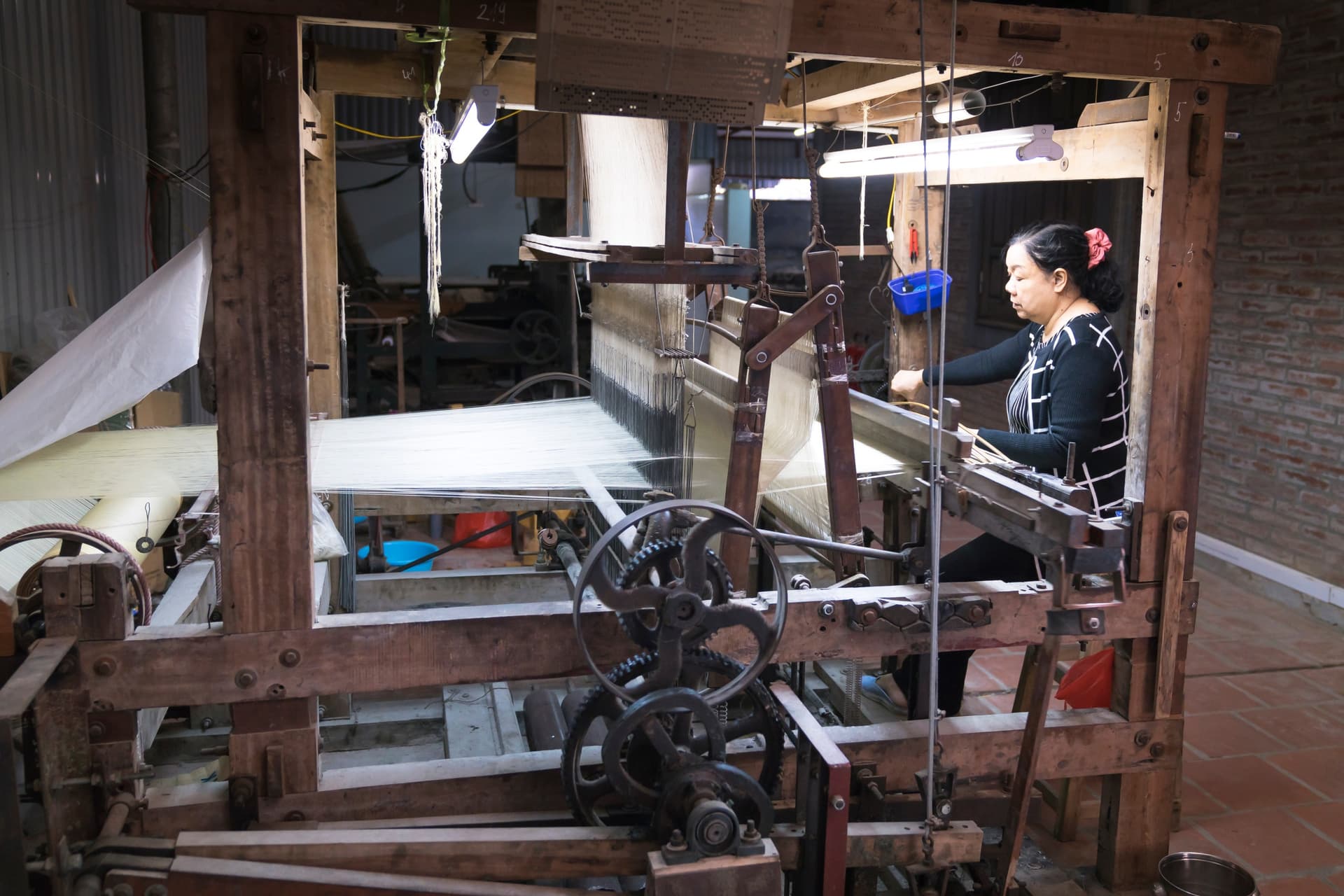
Located about ten kilometers from Hanoi, Van Phuc specializes in weaving fine natural silk, also known as Ha Dong silk. You can watch looms in action within family workshops and purchase scarves, garments, and bolts of fabric directly from the artisans. The village is home to a temple dedicated to the craftsperson said to have taught the villagers silk-weaving techniques.
Bat Trang, the ceramics village
Roughly 12 km from Hanoi, Bat Trang has been a center of ceramic and porcelain production since the 14th–15th centuries. Artisans still work with traditional kilns, producing tableware, vases, and decorative objects. Pieces from Bat Trang have been unearthed at archaeological sites across Asia and beyond, evidence of ancient trade routes. Some workshops invite visitors to shape their own piece on the wheel.
Dong Ky, woodworking
About fifteen kilometers from the capital, Dong Ky was once famous for firecracker manufacturing until the firecracker festival was banned in 1995. The village has since reinvented itself in woodworking and the production of mother-of-pearl inlaid furniture. Workshops display carved cabinets, screens, and tables, often destined for export.
Le Mat, the snake village
Approximately 7 km from Hanoi, Le Mat thrives on snake breeding that supplies the capital's specialist restaurants. The village festival takes place on the 23rd day of the third lunar month and features snake dances. This is the best time to visit Le Mat, experiencing a festive atmosphere rather than the typical breeding operations.
La Khe, ornamental gardens
Once part of Ha Tay Province (merged with Hanoi in 2008), La Khe is renowned for its gardens blending fruit trees, ornamental and fragrant plants, and flowers. Artisans here compose botanical arrangements for temples, traditional homes, and Tet festivities.
So, handmade noodles
About thirty kilometers from Hanoi, in the former Ha Tay Province, the village of So specializes in noodle-making from a special flour. Production remains family-based, and dried noodles from So are found in many markets throughout the region.
When to visit
The villages are open year-round, though certain periods deserve special attention:
- Le Mat's festival on the 23rd day of the third lunar month (April–May depending on the year), featuring snake dances.
- The weeks before Tet (late January–February), when La Khe and flower villages are in full swing.
- October through April, the dry season, offers more pleasant conditions for traveling by motorbike or bicycle around Hanoi.
Avoid the hottest summer months (June–August) and the monsoon downpours that make travel difficult.
How to get there from Hanoi
Most villages lie 7 to 30 km from central Hanoi and are accessible by:
- Taxi or ride-hailing (Grab): the easiest option for Bat Trang, Van Phuc, or Le Mat. Allow 30 to 60 minutes depending on traffic.
- Public bus: routes serve Bat Trang (bus 47) and Van Phuc (buses 1, 2, 21) from downtown at very low fares.
- Motorbike or bicycle: feasible for the closer villages, provided you're comfortable navigating Vietnamese traffic.
- Guided tour: useful for combining multiple distant villages like La Khe or So in a single day.
Practical tips
- Bargaining is customary in village shops. Expect discounts of 20 to 40 percent off the initial asking price.
- For Van Phuc silk, verify authenticity by gently creasing the fabric: natural silk doesn't crease permanently and warms slightly when held in your hand.
- At Bat Trang, the central market clusters shops, but the finest pieces are found in workshops on the outskirts.
- Bring cash in small denominations: few artisans accept credit cards.
- Plan 2 to 4 hours per village depending on your interest in demonstrations.
What to see nearby
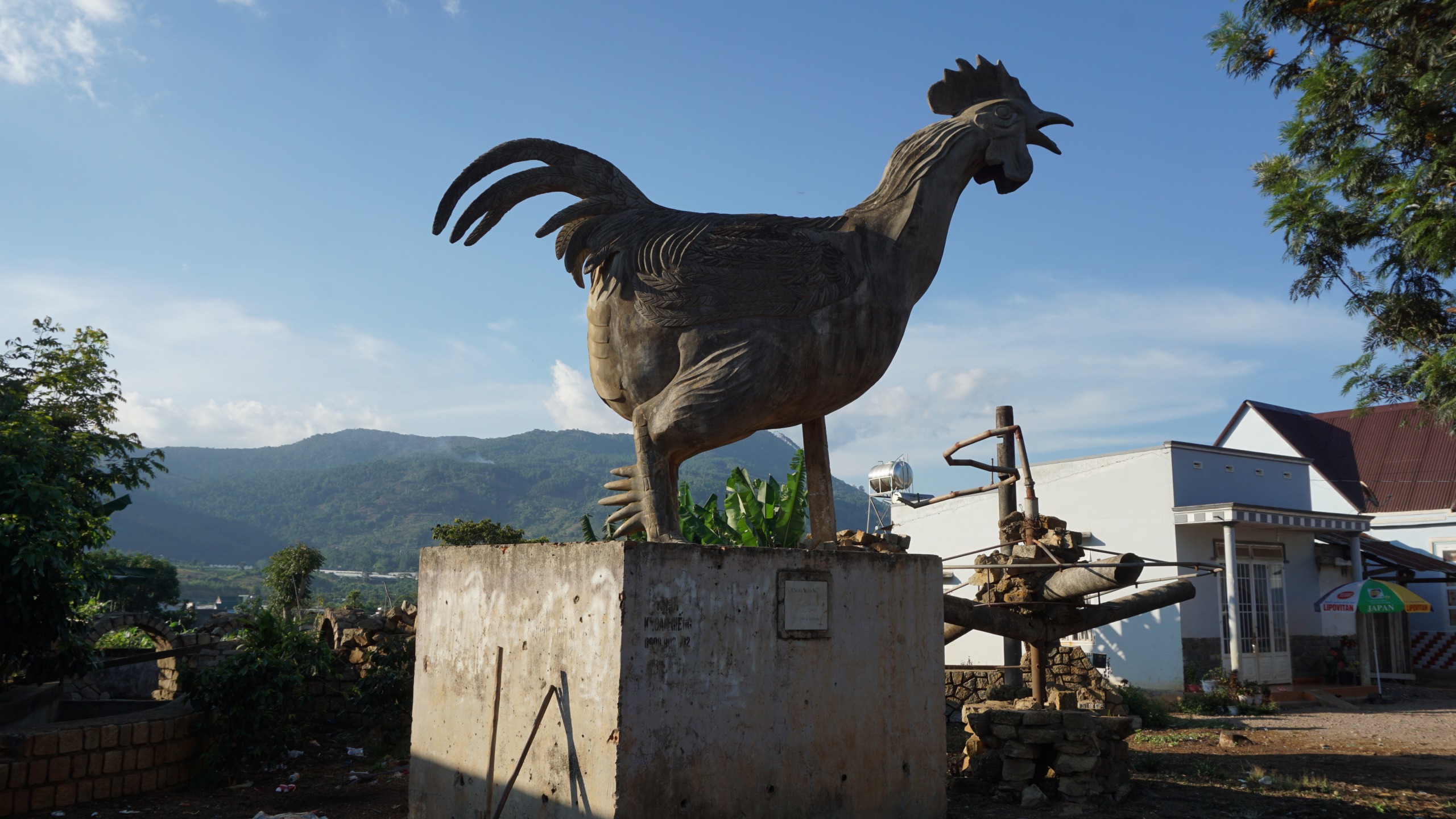
The craft villages combine easily with a visit to Hanoi and its historic quarters. If your itinerary extends further south, the Chicken Village showcases another facet of Vietnamese village craftsmanship. To extend the nature experience, Cát Bà offers striking contrast with its karst landscapes and biosphere reserve.
Plan your trip
The craft villages around Hanoi fit naturally into a Northern Vietnam itinerary. Discover our bespoke Vietnam journeys combining Hanoi, its craft villages, and iconic landscapes like Halong Bay or Sapa.

Interested in this visit?
We can include it in your personalised itinerary.