What to Do and See in Hanoi? Discover the Must-See Attractions of Vietnam's Capital
A city steeped in history where age-old traditions rub shoulders with modern vitality... There's no doubt about it, Vietnam's capital leaves no one indifferent. A true gateway to the country, Hanoi
A city steeped in history where age-old traditions rub shoulders with modern vitality... There's no doubt about it, Vietnam's capital leaves no one indifferent. A true gateway to the country, Hanoi deserves a few days of your time—two or three—to soak in the local culture and grasp the nation's history before venturing out to explore the other treasures of the land of the dragon... Discover the main things to do and see during a stay in Hanoi.
Iconic Things to See in Hanoi
Hanoi's Old Quarter and Its 36 Streets and Guilds
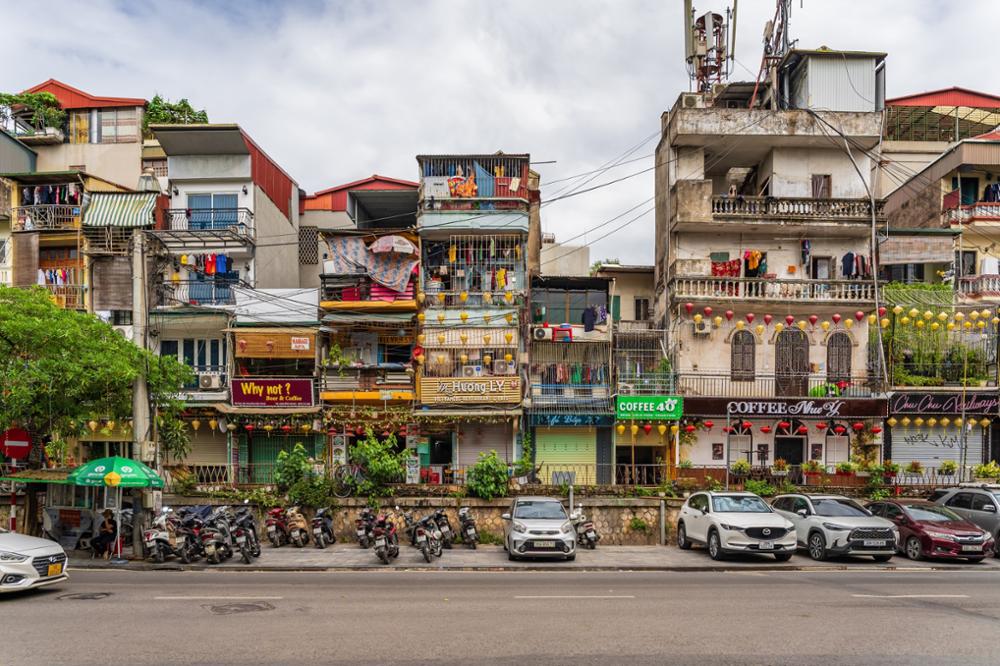
It is in Hanoi's Old Quarter that you can discover the soul of the Vietnamese capital. To understand its history, we must go back to the 11th century, when King Ly Thai To decided to move the capital from Hoa Lu (Ninh Binh) to Hanoi. As the city grew, many craftspeople from neighboring regions came to settle and gradually developed a major hub of commerce and craftsmanship. Thus was born the quarter of 36 streets and guilds, where each street had its own specialty and bore the name of the trade or merchandise sold.
Though more modern products have appeared alongside traditional crafts, you can still discover the old shops and their specialties today. Hang Tre Street, for example, is dedicated to bamboo products, Hang Bac Street to silverware, while Hang Gai Street offers hemp and silk products.
Beyond its distinctive shops, Hanoi's Old Quarter also contains around a hundred buildings dedicated to places of worship, including communal houses (đình), temples and pagodas, as well as buildings belonging to Chinese congregations (hội quán). As you can see, Hanoi's Old Quarter is an absolute must on any visit to the capital.
During your stroll through Hanoi's Old Quarter, you'll see many houses no more than 3 meters wide. But why are Hanoi's houses so narrow?
In the 14th century, under the Nguyen dynasty, residents had to pay a land tax calculated based on the width of their façade facing the street. Locals had to be clever and avoid paying too much tax. That's why you find so many "tube houses" in Hanoi today.
Hoan Kiem Lake, The Huc Bridge, and Ngoc Son Temple
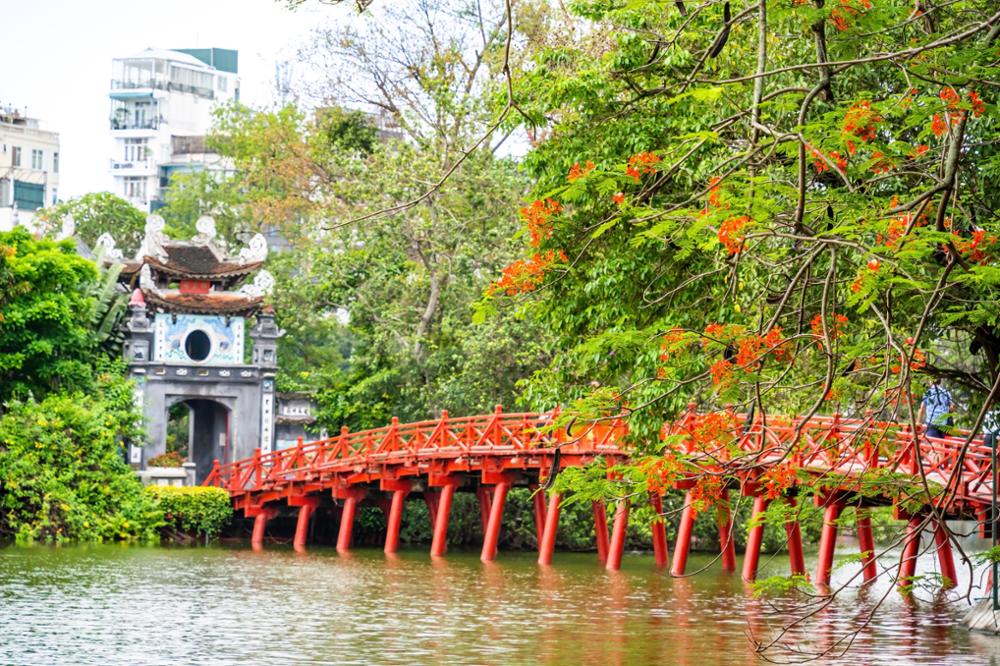
Don't leave Hanoi's Old Quarter without visiting Hoan Kiem Lake. It's a favorite gathering place for locals who come to stroll, picnic with family, practice tai chi...
Literally translated as "the lake of the returned sword," legend has it that Emperor Lê Lợi received a magical sword from a celestial turtle to help him repel Chinese invaders. After his victory, he was invited by the turtle to return the sword to the lake, giving the place a mystical character.
Hoan Kiem Lake is also known for being home to Ngoc Son Temple. Located on Jade Island, a small island north of the lake, it's accessed by a magnificent red wooden bridge named Cau Thê Húc (The Huc Bridge, Bridge of the Rising Sun). The temple is worth the visit for its distinctive architecture. It is dedicated to Tran Hung Dao, a general who fought against Mongol invaders during the Tran dynasty.
Every weekend, the area around Hoan Kiem Lake becomes entirely pedestrian. Many locals gather to play various games, eat and enjoy themselves in a cheerful atmosphere. Don't miss out if you're in Hanoi during the weekend!
Thang Long Water Puppet Theatre: A Water Puppet Show

Traveling is also about discovering ancient cultural traditions, such as water puppet shows. Performed on water at the Thang Long Water Puppet Theatre (just steps from Hoan Kiem Lake), the show draws on a tradition over 1,000 years old.
Indeed, this type of show was born in the flooded rice paddies of northern Vietnam, where farmers enjoyed creating performances to celebrate and highlight their daily lives. Accompanied by traditional music, the puppets tell scenes of rural life (rice harvesting, local festivities, spirit chasing, buffalo fights...) and relate certain legends and mythological stories of the country. A wonderful introduction to Vietnamese folklore!
There's no doubt about it—it's the must-do activity on a family trip to Vietnam with children!
Multiple performances are held daily, especially in the evening. Reservations are essential (expect between 100,000 and 200,000 VND per person). You can book on the theatre's website or directly on-site. The stories are told in Vietnamese, but the show is accessible to all as it is highly visual.
Train Street: Hanoi's Famous Train Street
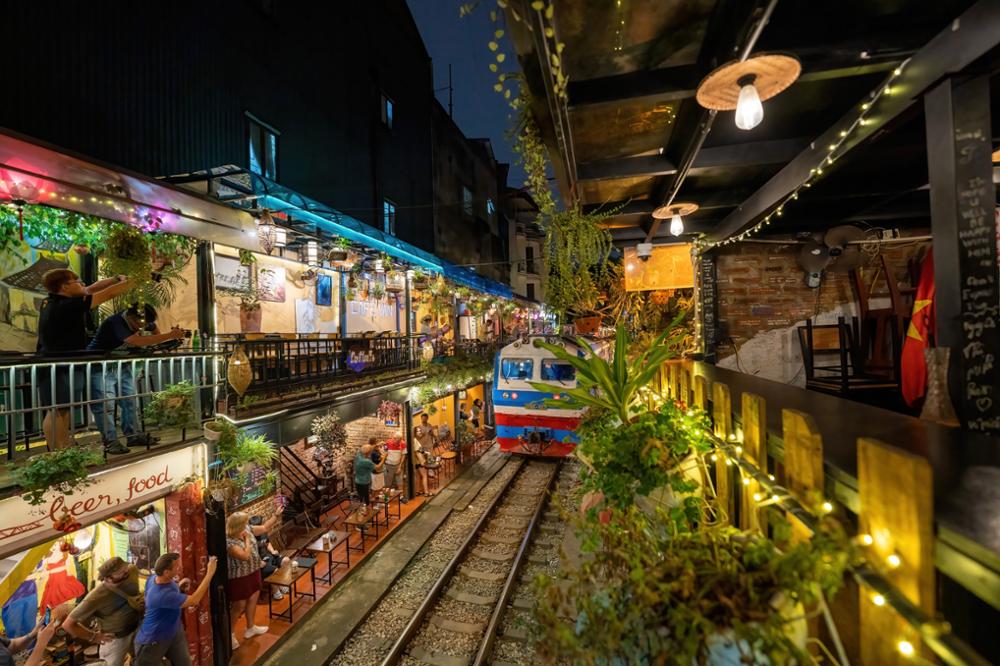
Located at the intersection of Dien Bien Phu and Ton That Thiep streets, Train Street is undoubtedly the most famous street in all of Hanoi. This is where you'll find the famous railway line where a train (connecting Hanoi to Ho Chi Minh City) passes between homes and cafes, forcing residents to clear everything out of the way as it approaches. It's such an unusual scene that it has attracted so many travelers that Hanoi's train street was forced to close in 2019 for safety reasons.
But despite the ban, the street remains accessible. The ideal approach? Reserve a table at one of Train Street's cafes during train passing times to be in the heart of the action while staying safe! And to make sure you see Hanoi's train street under the best conditions, why not hire one of our English-speaking local guides?
The Temple of Literature
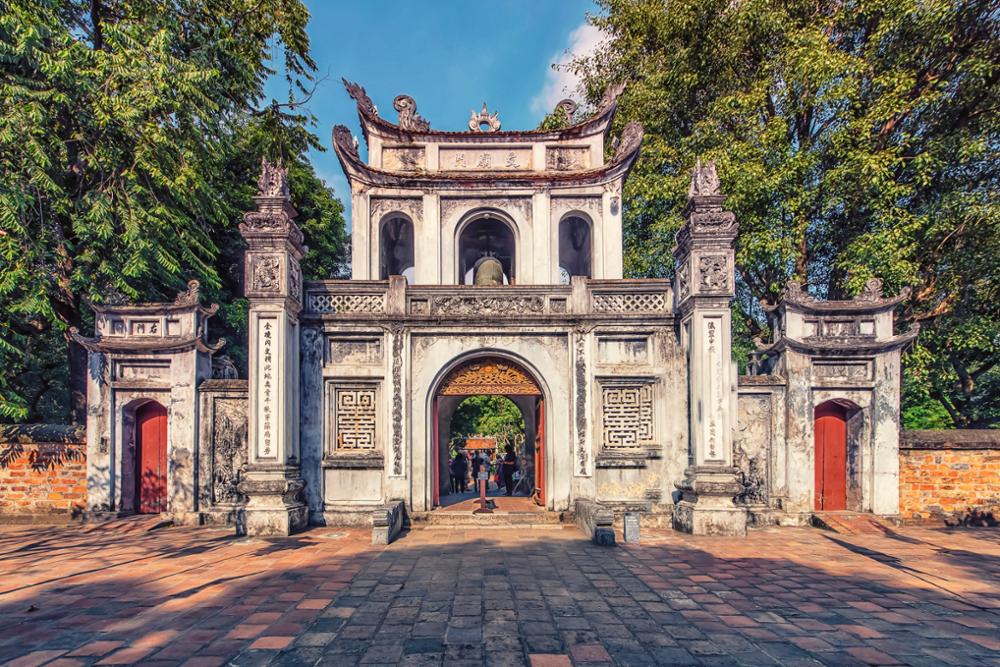
Located in the western part of the old city of Hanoi, the Temple of Literature was founded in 1070 by the third emperor of the Ly dynasty, Lý Thánh Tông, in tribute to Confucius, the Chinese philosopher whose thinking deeply influenced East Asia. In 1076, the site became Vietnam's first university, designed to train the country's elite. It was here that, from 1076 to 1915, the sons of royalty, mandarins and aristocracy were trained to become scholars and high-ranking officials.
Beyond its history and symbolism, the site is also worth visiting for its architecture. Organized according to the classic model of Chinese Confucian temples, the site is divided into a series of five successive courtyards. You'll find majestic gates, pools, well-maintained gardens and elaborately decorated wooden pavilions, as well as stelae bearing the names of distinguished Top Talents who have been recognized as UNESCO Memory of the World heritage.
Ho Chi Minh Mausoleum
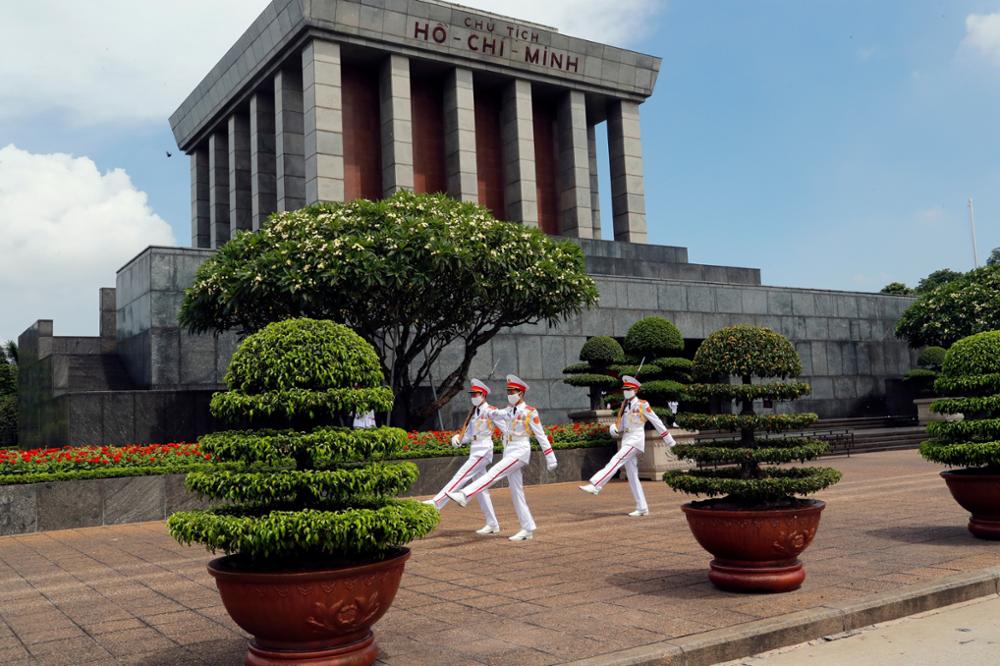
As its name suggests, Ho Chi Minh Mausoleum was designed to house the remains of the founding father of independent Vietnam. Located on Ba Dinh Square, the very place where he delivered his famous speech proclaiming Vietnam's Independence in 1945, the mausoleum is a massive, angular building inspired by Soviet-style architecture, similar to Lenin's Mausoleum in Moscow.
Inside, you can see Ho Chi Minh's embalmed body in a glass sarcophagus, illuminated. As you exit the mausoleum, you'll discover the stilt house that served as his final residence before his death, as well as the gardens of the Presidential Palace.
Access to Ho Chi Minh Mausoleum is free, but it requires respect for several rules: dress appropriately (shoulders and knees covered, no hats...), maintain silence, and leave all your belongings at the entrance, including phones and cameras, as photography is prohibited.
If Ho Chi Minh's history interests you, you can also plan a visit to the Ho Chi Minh Museum dedicated to his memory.
The One Pillar Pagoda
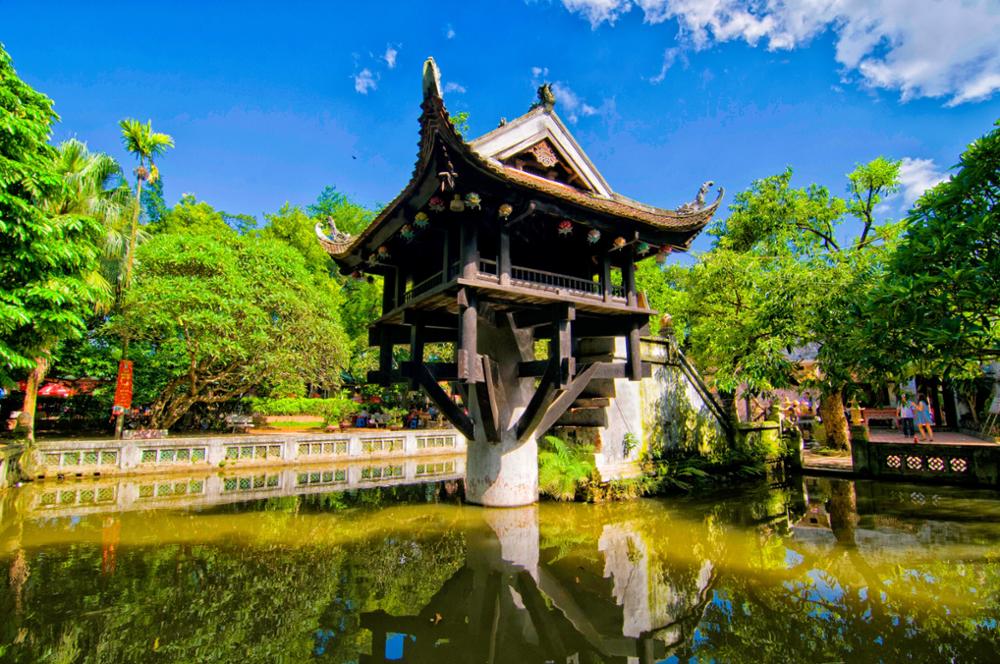
Not far from Ho Chi Minh Mausoleum stands the One Pillar Pagoda, locally called Chùa Một Cột. Built in the 11th century by Emperor Ly Thai Tông, legend has it that it was constructed after the emperor had a dream in which the goddess Quan Yin, a symbol of compassion and goodness, announced to him the birth of a son resting on a lotus flower. Some time later, the emperor married a woman who gave him an heir, and he then built the pagoda in the middle of a pond.
Taking the form of a lotus, the pagoda's construction rests on a single pillar (hence its name) and appears to float above the water. The pillar represents the stalk of a lotus while the wooden pagoda embodies the flower itself. Because of its history and unique architecture, the One Pillar Pagoda is one of the most important symbols of Vietnam's capital.
The Vietnam Ethnographic Museum
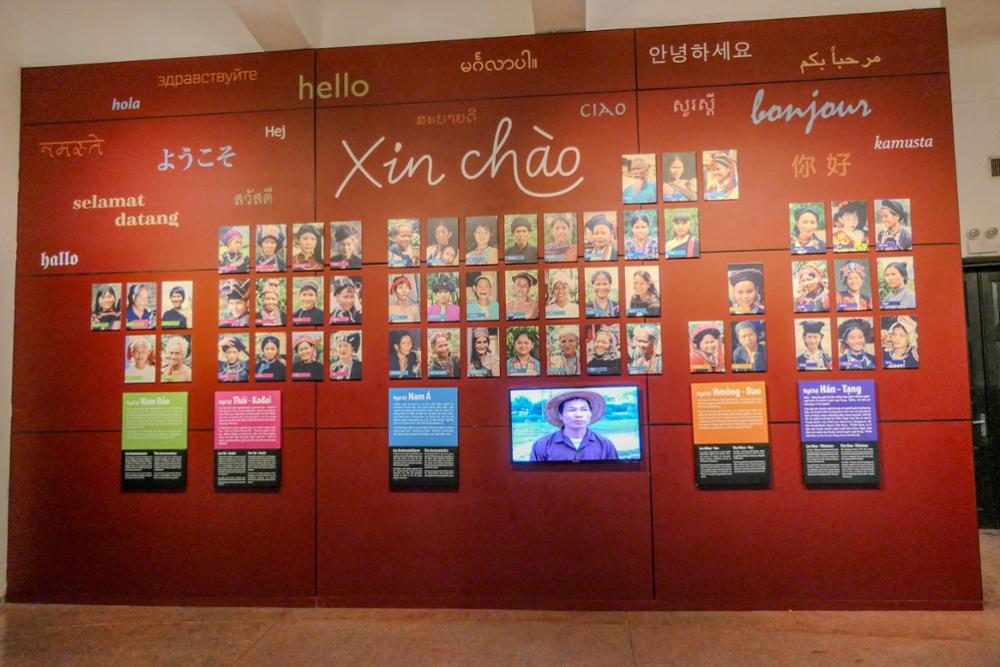
Did you know there are 54 ethnic groups in Vietnam? Because travel is an opportunity to learn about new cultures, we strongly recommend visiting the Vietnam Ethnographic Museum. This venue invites visitors to immerse themselves in the rich diversity of Vietnam's ethnic minorities.
You'll discover a collection of over 15,000 objects, whether handcrafted items or everyday objects (artifacts, traditional clothing, agricultural tools, masks, puppets, traditional musical instruments...) to better understand the history and way of life of the different ethnic groups that have populated the country for centuries. Outside the museum, you'll also find reconstructions of several traditional houses for an almost immersive experience!
One thing's for sure—it's THE museum to visit before venturing into the different regions of the country and meeting Vietnamese ethnic minorities. A visit that will appeal to both adults and children!
The Museum of Women
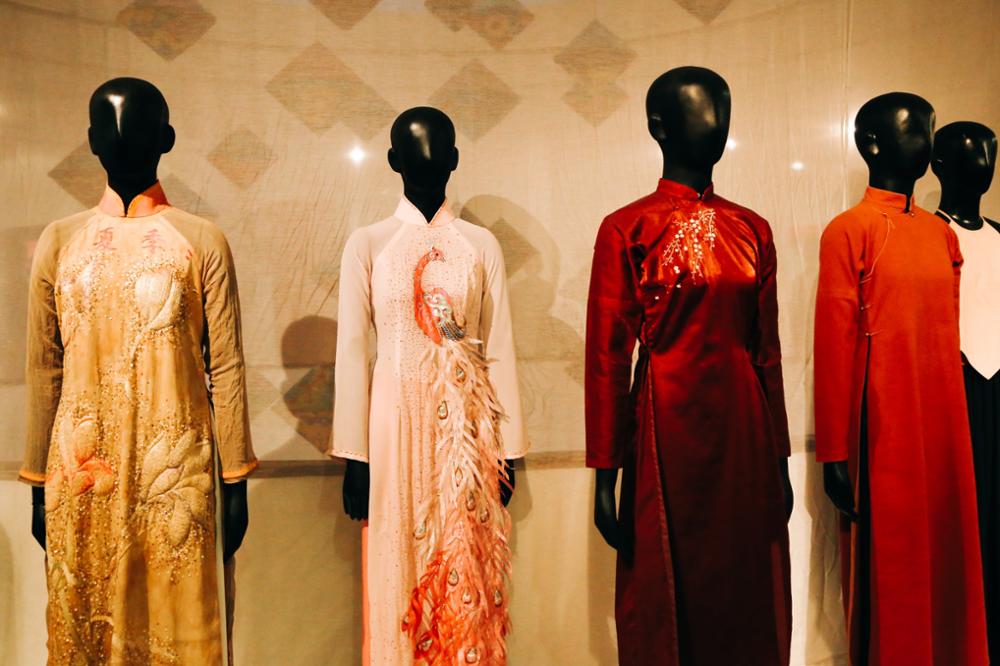
As its name suggests, Hanoi's Museum of Women is a museum dedicated to Vietnamese women from yesterday to today, both through the country's history and in their daily lives.
The museum's permanent exhibition is divided into 3 themes: the first dedicated to "Women in the Family," the second to "Women in History" and in times of war, and the third to "Women's Fashion."
Each object found there belonged to women whose identity is known. They all tell a story. As explained on the museum's official website : " the narratives of women from all regions of the country, while remaining modest, are profound and filled with love, sacrifice and silent devotion, reflecting their courage, beauty and the important role they have played throughout all past, present and future eras. "
Vietnam's Museum of Women is located on one of the capital's most beautiful and oldest streets (Ly Thuong Kiet Street). You'll find government buildings as well as magnificent colonial-style residences dating back to French colonization (at that time, the street was even called "Boulevard Carnot"). Not far away you'll also find the flower street (Phung Hung Mural Street) where you'll see many flower vendors as well as beautiful street art murals.
Hoa Lo Prison
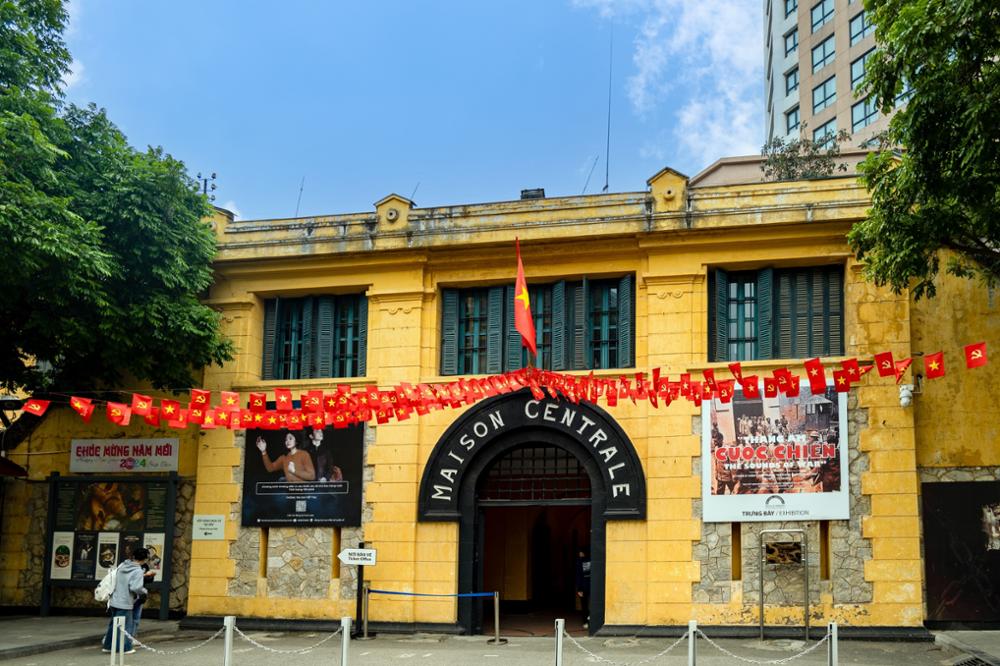
Also called the "Central Prison," Hoa Lo Prison was built by the French colonial administration in 1896 to imprison anti-colonial revolutionaries and fight against independence movements. Vietnamese politicians and resistance fighters were held there in horrific conditions, to the point that the prison was recognized as one of the worst prisons in the world.
After Vietnam's independence and the French departure, the prison was used to detain anti-communists. Later, during the Vietnam War, American pilots were imprisoned there. It was at this time that it earned the infamous nickname "Hanoi Hilton."
Partially destroyed in 1990, it now serves as a museum and allows you to delve into one of the most macabre episodes in Vietnam's history. You'll see prisoner cells with human reconstructions, torture objects, the death corridor and the guillotine... The visit isn't cheerful, but it ensures we don't forget this page of history.
Tran Quoc Pagoda and West Lake (Hồ Tây)
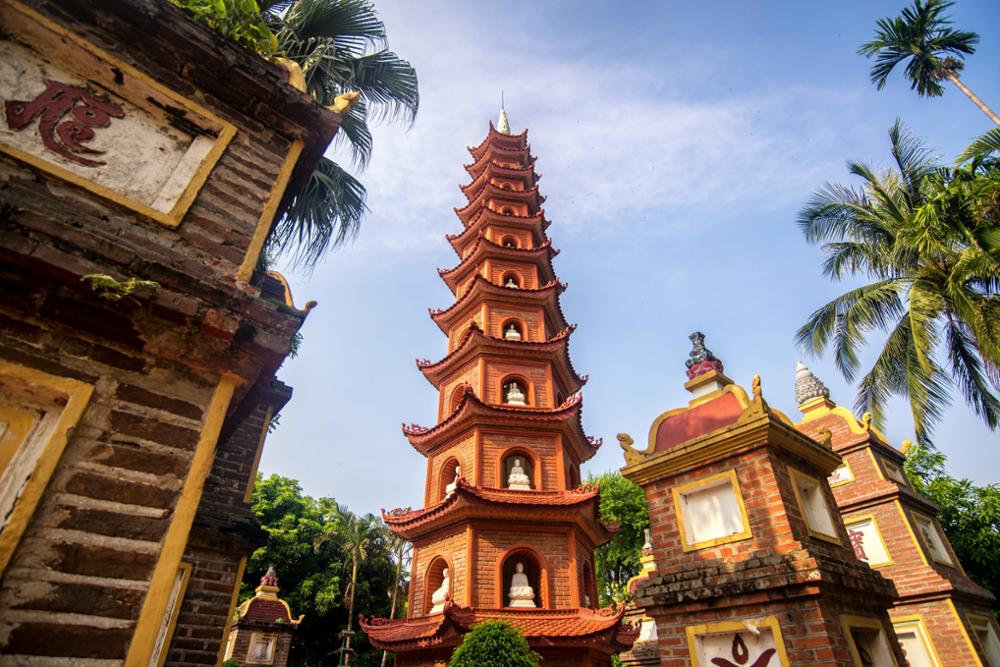
Located 5 km from the center, West Lake (Hồ Tây) is the perfect place to take a break away from the city's hustle and bustle. You'll find Hanoi's oldest Buddhist sanctuary there: Tran Quoc Pagoda. Built in 541 on a peninsula of the lake, the pagoda stands out for its traditional Vietnamese architecture with its 15-meter-high red stupa, curved roofs, glazed tiles and walls adorned with frescoes and sculptures. You'll also find Indian and Chinese influences.
It's a favorite refuge of locals: its name literally means "Defending the Country." For information, admission is free!
To enjoy the spots with the best colors and take photos, we recommend coming at sunset. You'll be mesmerized by the mystical atmosphere that emanates from it...
Hanoi's Markets
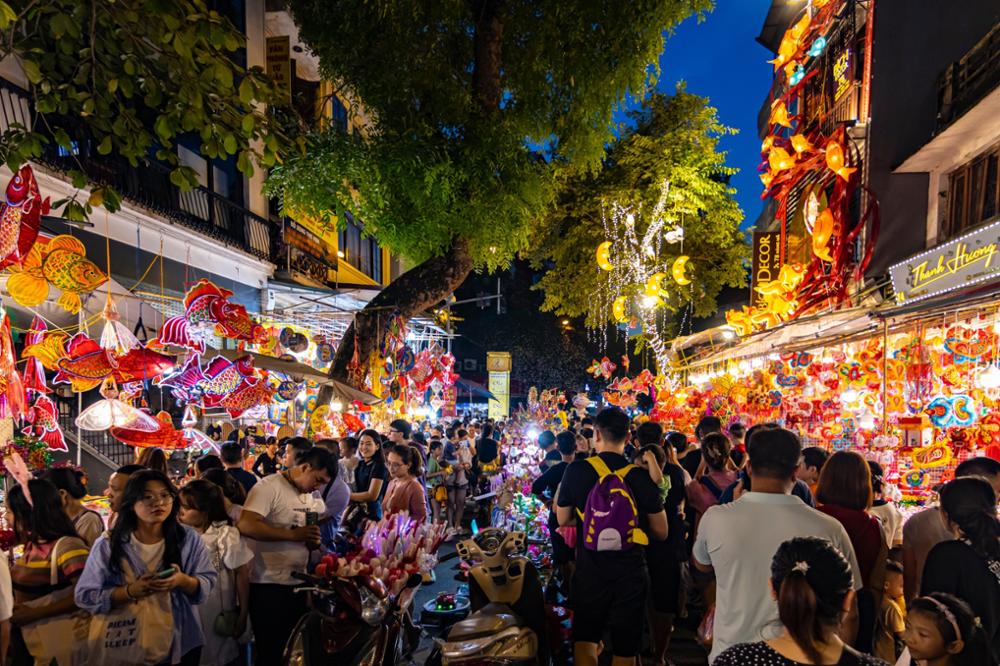
It's impossible to imagine a trip to Hanoi without visiting one of its markets. Among the most popular, we recommend:
- Dong Xuan Market: located in a 4-story building north of Hanoi's Old Quarter, it's the city's largest covered market. You'll find handcrafted items, souvenirs, clothing, fresh products and much more... ;
- Old Quarter Night Market: open every weekend, this open-air market runs from Hàng Đào Street to Đồng Xuân Market. You'll find many street food stalls, handcrafted items, clothing and all manner of gadgets... ;
- Quảng Bá Market (Flower Market): attention flower lovers and amateur photographers, this colorful market will dazzle your eyes. It runs every night until noon along Âu Cơ Street.
Practical Information:
What is the Best Time to Visit Hanoi?
Located in northern Vietnam, Hanoi experiences four distinct seasons:
- Spring (February to April): the weather is mild (between 59 and 77°F), humidity increases as the season progresses toward summer. Nature bursts into bloom and it's the season of the Vietnamese Lunar New Year (Tết) ;
- Summer (May to July): temperatures are high (between 82 and 100°F), heat is intense, even stifling due to ambient humidity (humidity levels can approach 90%). Late afternoons are often accompanied by thunderstorms and heavy showers ;
- Autumn (August to October): temperatures become pleasant again (between 68 and 86°F), skies are clear and sunny, and rainfall is brief and rare. Autumn is often considered the most beautiful season to visit Hanoi ;
- Winter (November to January): temperatures can drop to as low as 50°F, the weather is grey, even misty.
As you can see, Hanoi can be visited year-round: each season has its own charm. It all depends on your ability to tolerate heat or cold. To enjoy the best conditions (mild temperatures and no rain), we still recommend planning a visit in spring (between February and April) and autumn (between August and October).
How Many Days Should You Plan to Visit Hanoi?
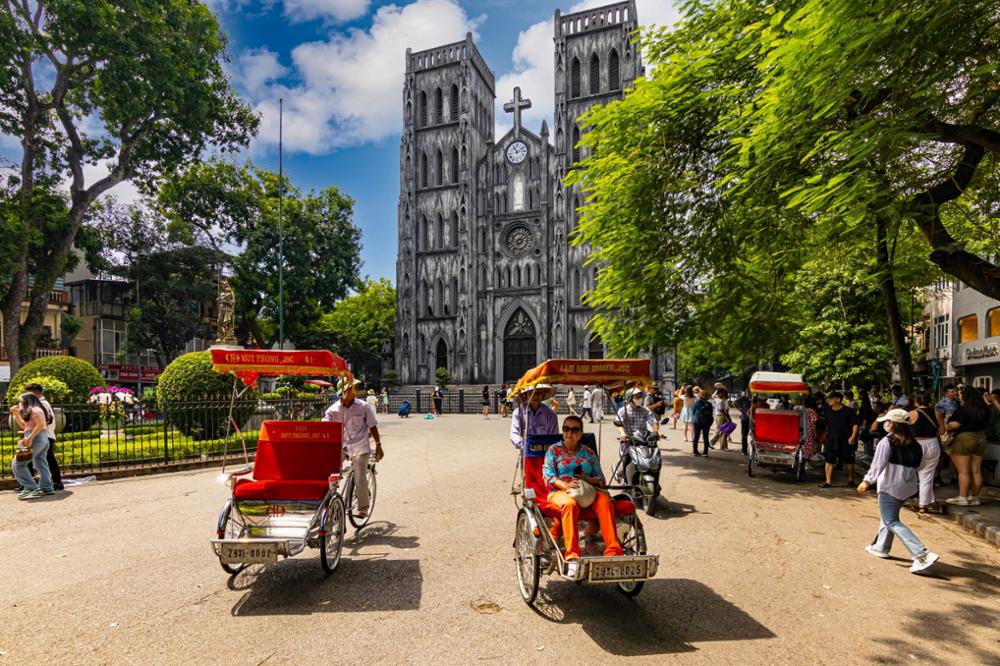
We recommend staying at least 2 to 3 days to cover the essentials. On the other hand, there's no point in planning more than 4 days as you risk becoming fatigued by the city's relentless vitality.
How to Get from Hanoi Airport to the City Center?
The simplest way to get to Hanoi's city center from Noi Bai Airport is by taking bus line 86 (orange). Alternatively, you can always take a taxi (be sure to ask the driver to use the meter to avoid scams) or a Grab (Asia's equivalent to Uber).
Don't know how to go about it? Don't hesitate to contact us! We can arrange a private driver to pick you up at the airport and take you to your hotel.
Need help organizing your stay in Hanoi? Top tips and recommendations, guide services, hotel reservations, transportation, excursions... We can help you plan your trip (guided or independent) so you have nothing to do but enjoy...
Florine Dergelet