Complete Vietnam Guide
Vietnam stretches 1650 kilometers between the Chinese border and the Mekong Delta, and this S-shaped geography explains why a trip here requires choices. From our agency in Hanoi, we see travelers every week hesitating between the terraced rice fields of Sapa and Ha Giang, the terrestrial Halong Bay of Ninh Binh, the ancient imperial city of Hué and the lantern-lit streets of Hoi An, then the waterways of the Mekong around Can Tho.
Two distinctive features structure an itinerary. First, the climate: the north experiences a true winter between December and February (10 to 15°C in Hanoi), while the south remains tropical year-round. Next, dining culture: each region has its signature dishes, hanoi pho with clear broth, Hué bun bo spiced with chili, Saigon com tam made from broken rice. Eating here is already traveling.
Three weeks allow for a comfortable north-center-south journey, two weeks require a choice between mountainous north and fluvial south. Our English-speaking team guides you based on your departure season and desired pace, avoiding classic pitfalls like crossing the country on an overnight train when a one-hour domestic flight will do.
The regions of Vietnam
Each region has its own personality: climate, landscapes, pace of life and ways of traveling. Our local team helps you choose the combination that suits you.
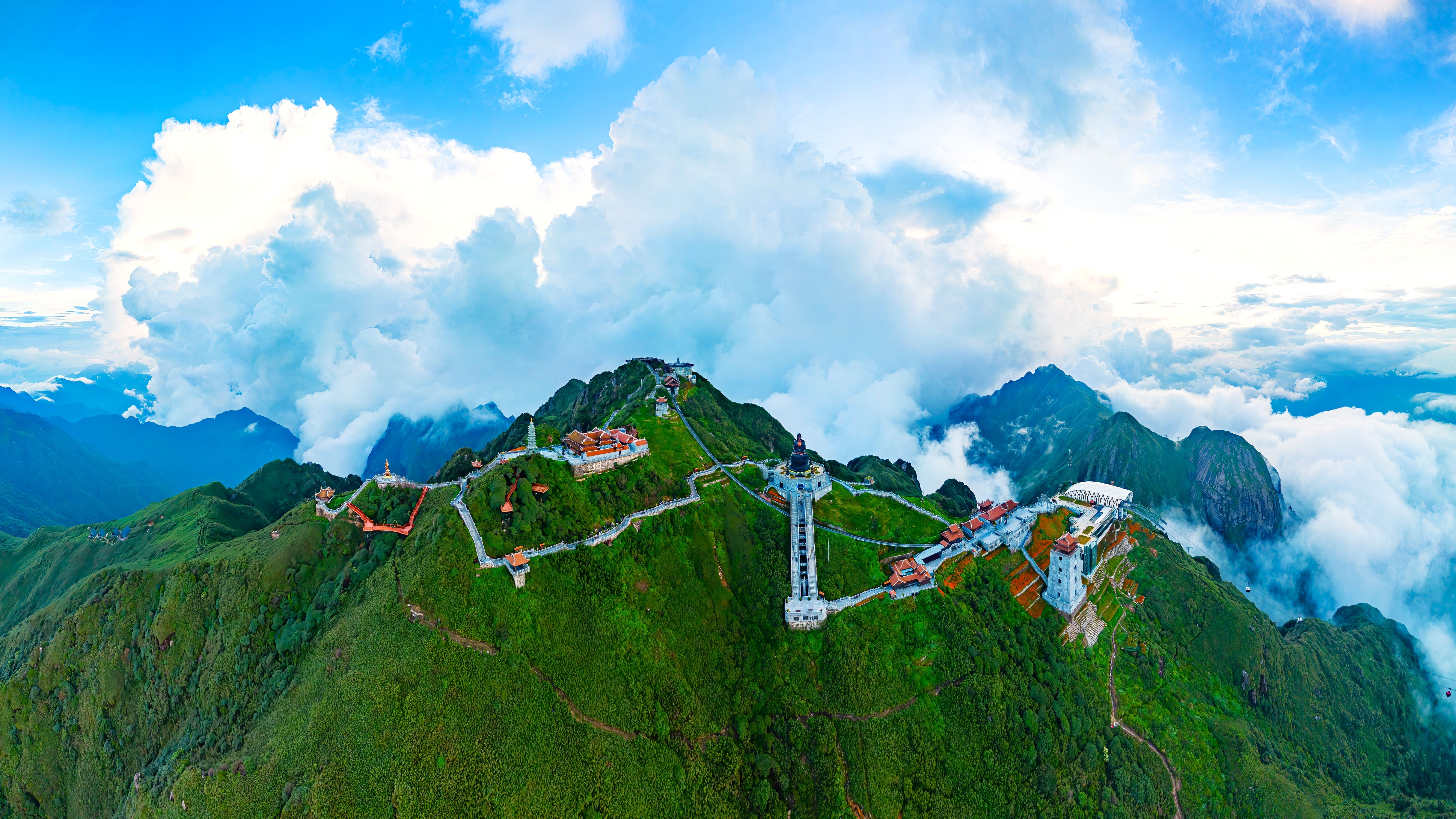
Mountainous North
Sapa, Ha Giang, Bac Ha: the frontier massifs of Yunnan peak above 3,000 metres with Fansipan. The terraced rice fields of the H'mong and Dao peoples can be explored on foot between villages, along muddy trails after the May-June rains and golden at harvest time in September-October. Expect average temperatures of 15°C in winter, sometimes frost above 1,500 metres. The Ha Giang loop, 350 km of winding roads over four days by motorbike or car, remains our signature proposal for travellers who embrace simple homestay comfort. The ethnic markets on Sundays in Bac Ha or Dong Van are worth the detour for textiles and corn liquor.
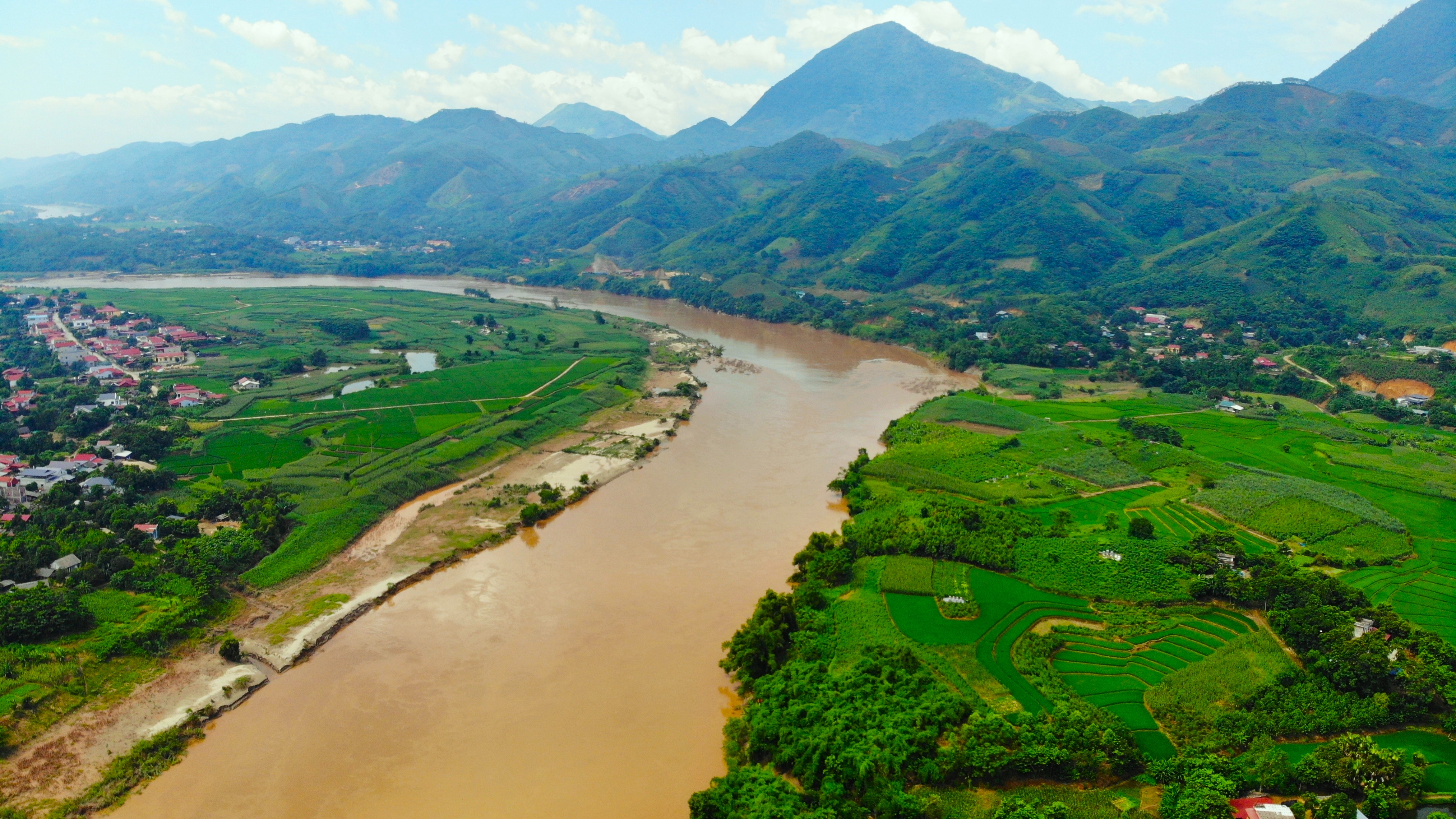
Tonkin Delta
Around Hanoi, the Red River Delta concentrates the country's thousand-year history. The capital and its 36 guilds in the old quarter, Halong Bay and its 1969 limestone islets, the terrestrial bay of Ninh Binh with Trang An boats and Bai Dinh pagoda form a triangle that can be explored in six to seven days. We recommend spending a night aboard a junk in Lan Ha Bay, neighboring Halong but considerably less crowded. Humid and hot climate from May to September, misty and cool from December to March: the light changes radically depending on the season.
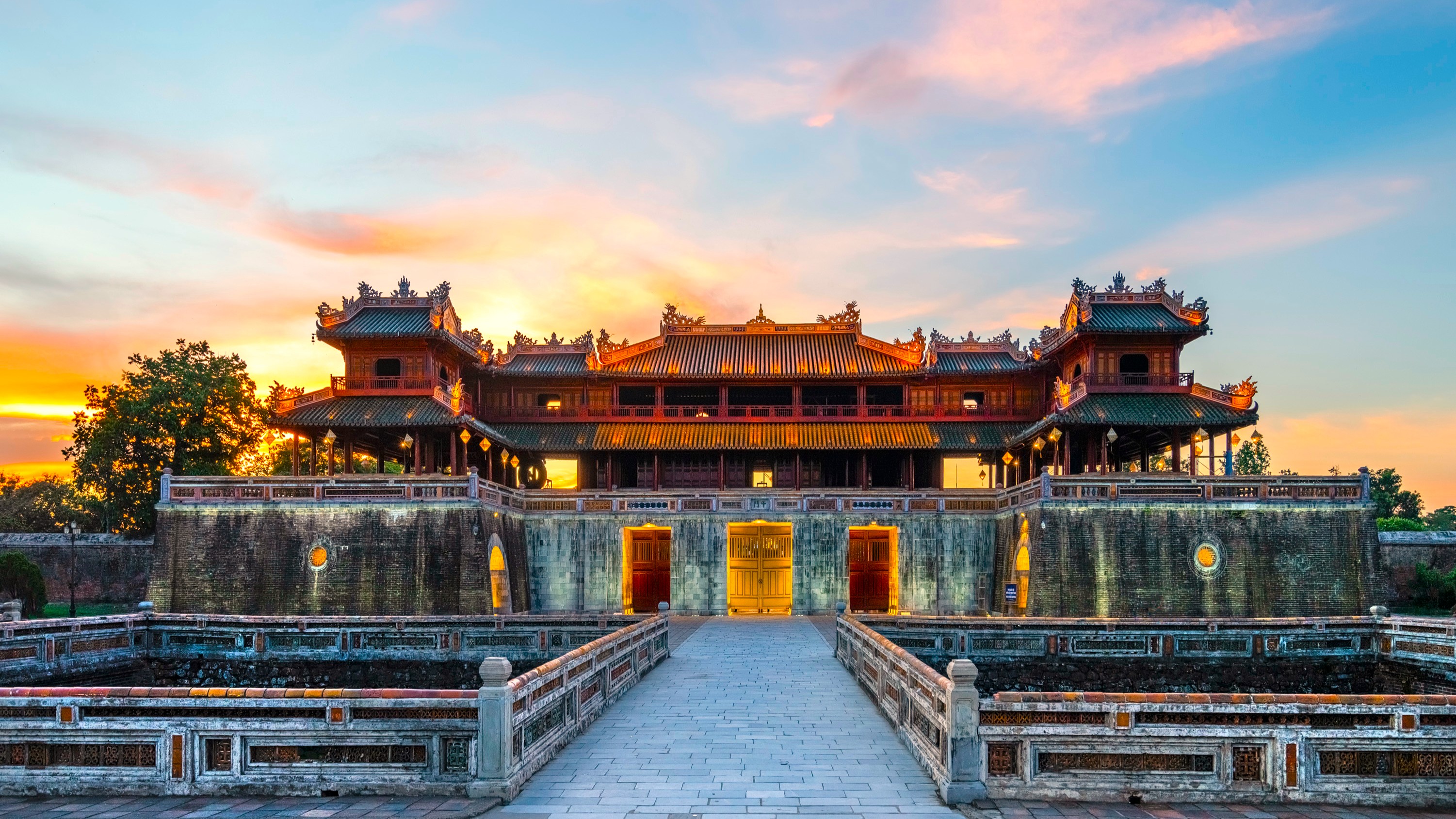
Imperial Centre
Hué, Hoi An and Da Nang form a trio within 150 km of each other. Hué preserves the Nguyen emperors' citadel and royal tombs scattered along the Perfume River. Hoi An, a UNESCO-listed trading port, glows with silk lanterns each evening and remains the custom tailoring capital (expect 60 to 120 euros for a suit). The Cloud Pass road between the two cities runs along the coast for 80 km. Dry season from February to August, heavy rains in October-November with typhoon risks.
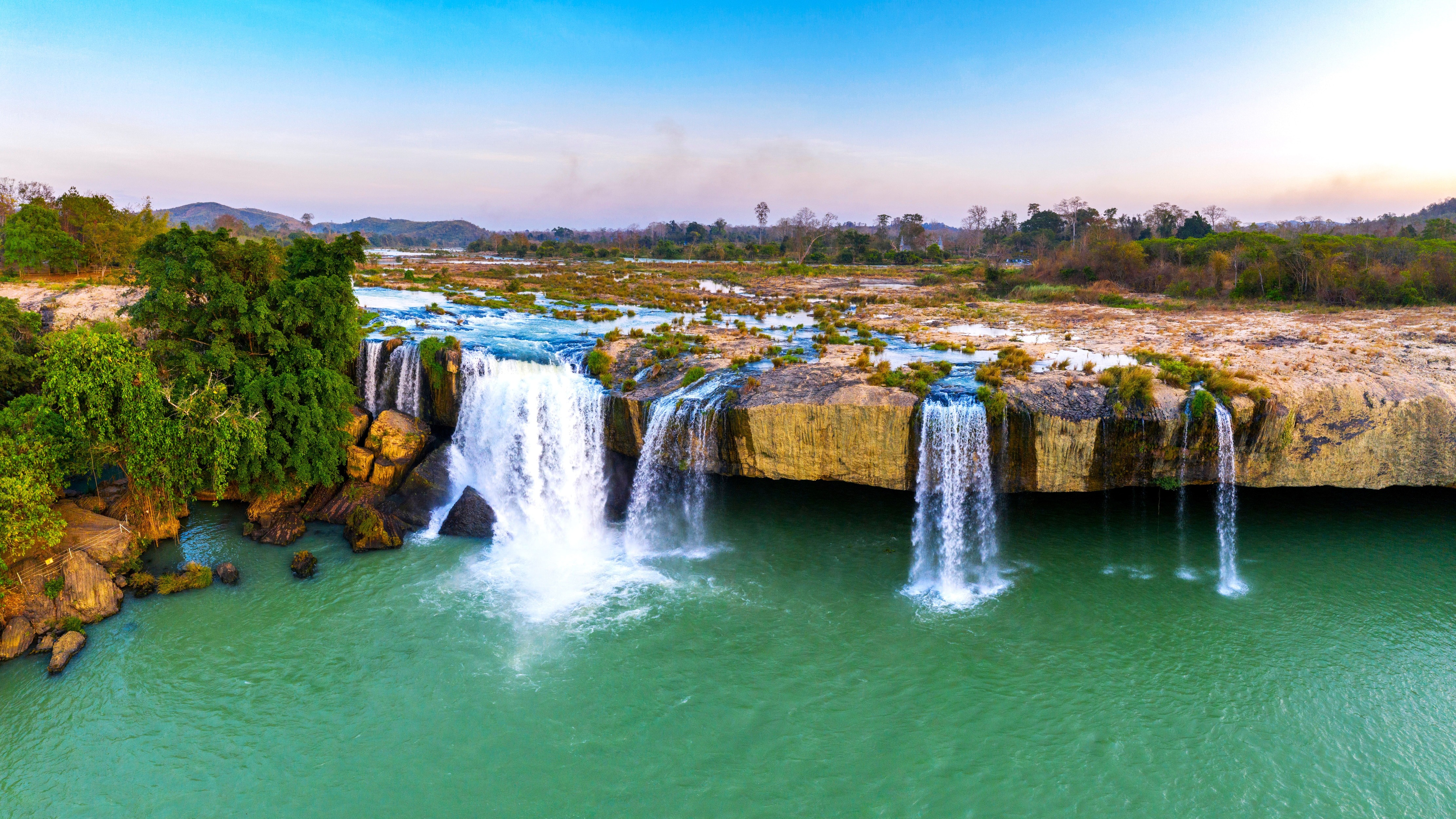
Central Highlands
Dalat, Buon Ma Thuot and Kon Tum form Vietnam's coffee-growing hinterland, at 1,000–1,500 meters altitude. Dalat, a former colonial hill station, retains 1930s architecture and spring-like weather year-round (18–22°C). It is here that robusta coffee grows, placing the country in second place worldwide for coffee production. The Bahnar and Jarai villages around Kon Tum can be visited over two days with a local guide, away from mainstream routes. This region receives little rainfall from December to March, ideal for mountain biking or meetings with coffee planters.
South and Mekong Delta
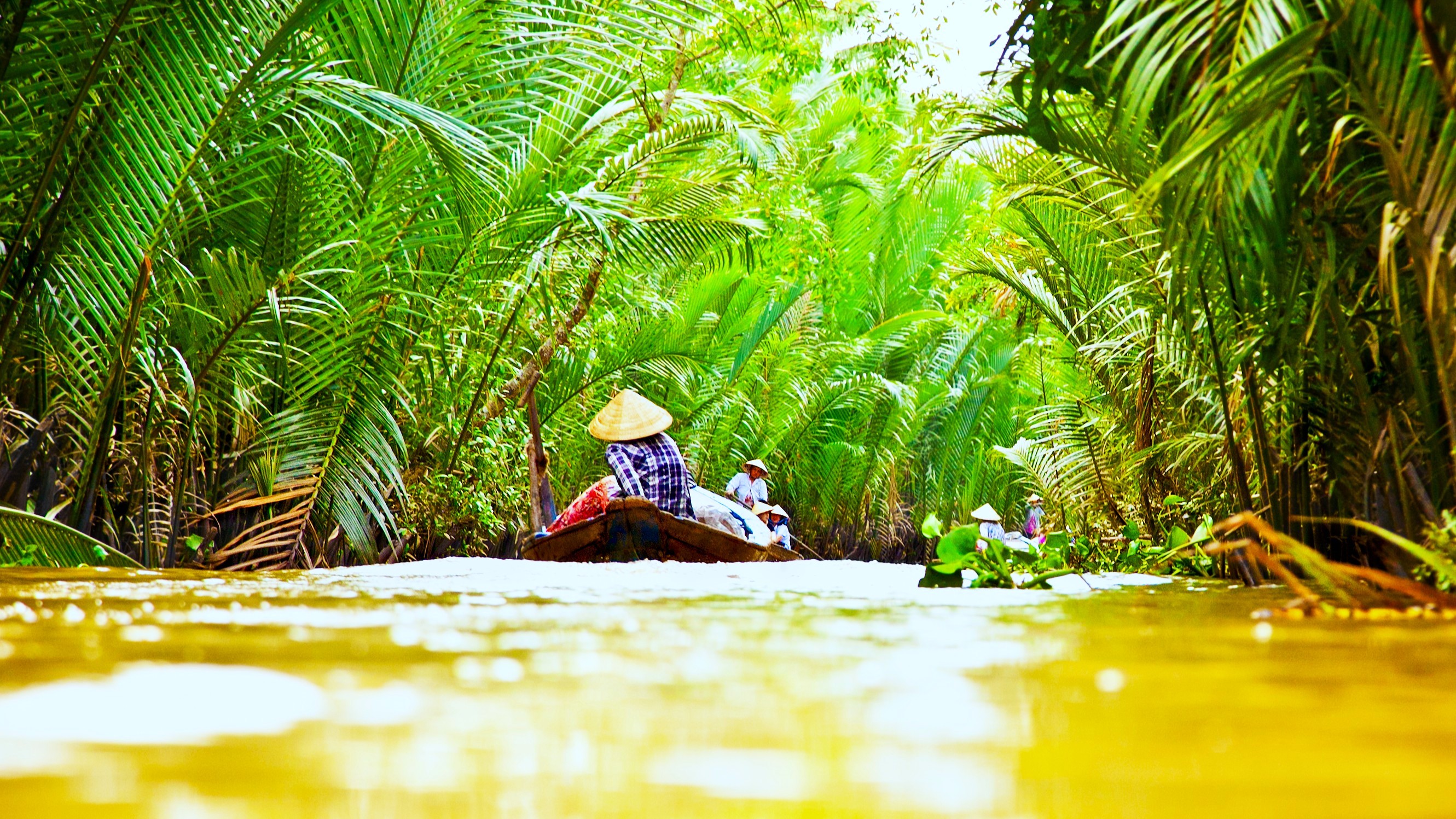
Ho Chi Minh City, formerly Saigon, pulses with 9 million inhabitants and 8 million scooters. The Cu Chi tunnels, 70 km northwest, tell the story of the war from the Viet Cong perspective. The Mekong Delta begins at My Tho and extends toward Can Tho, Ben Tre and Chau Doc, with its early morning floating markets (departing at 5:30 am from Can Tho for Cai Rang) and its rambutan orchards. Constant tropical climate: 28 to 33°C year-round, dry season from December to April, short but intense rains from May to November.
Islands and Coastal Areas
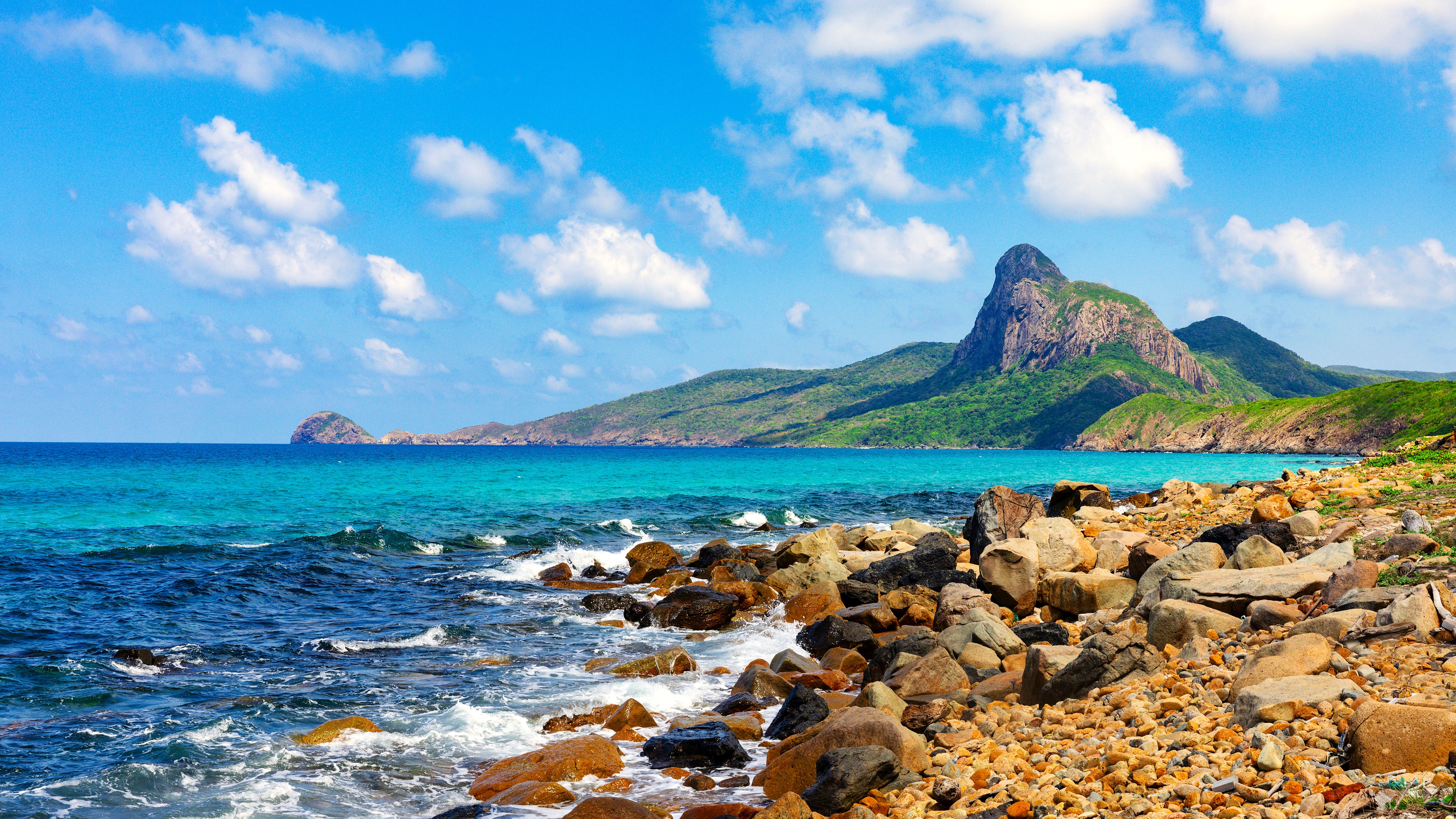
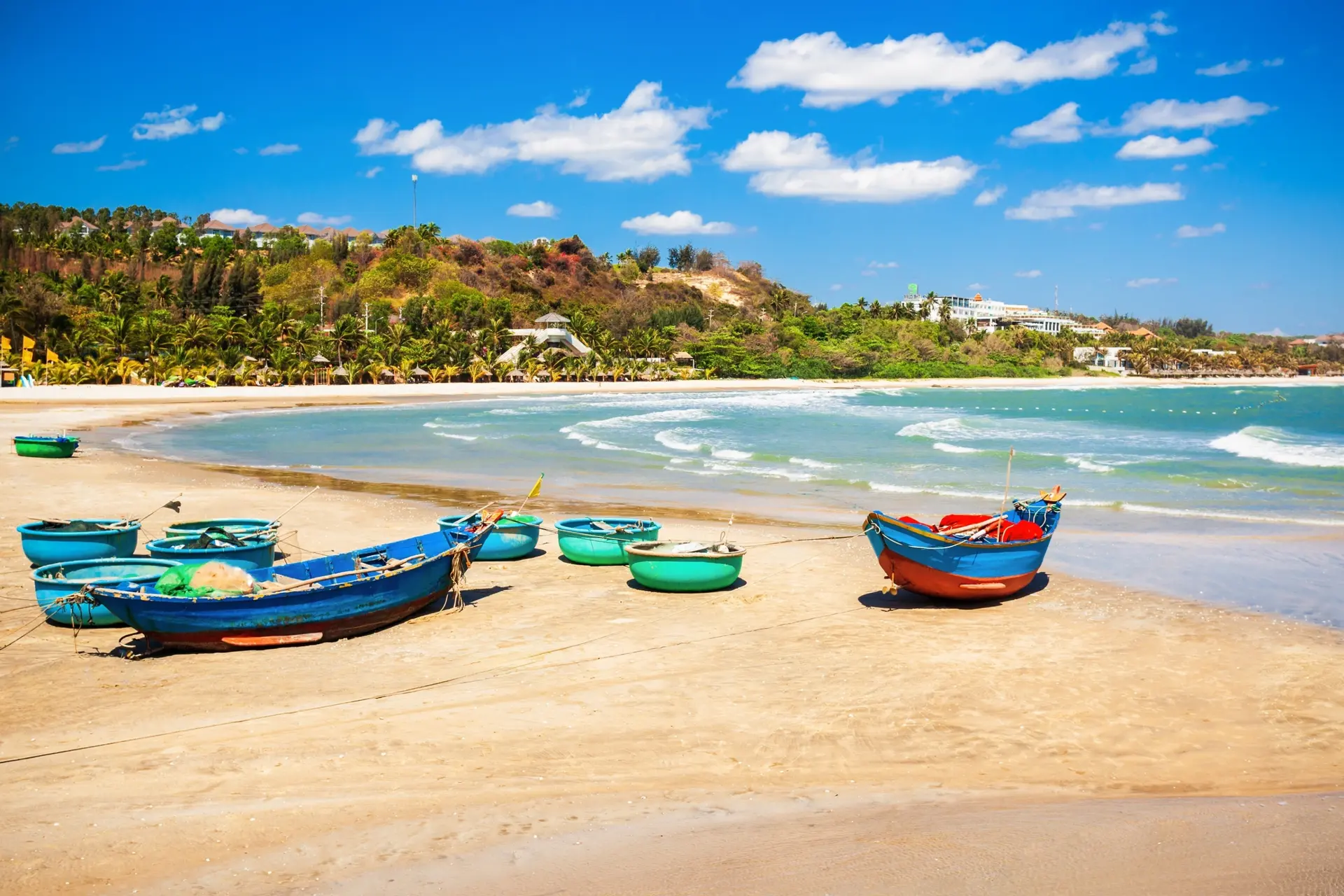
Phu Quoc in the Gulf of Thailand, Con Dao off the southern coast, and the beaches of Nha Trang, Mui Ne and Quy Nhon offer beach extensions to your itinerary. Phu Quoc has undergone significant development; we prefer to direct you towards Con Dao for its tranquility, diving and sea turtles that nest from June to September on Bay Canh. Mui Ne combines red and orange sand dunes with windsurfing (sustained winds from November to March). Water temperatures of 26-28°C year-round in the south, cooler in the central region between December and February.
Explore by theme
Unique experiences tailored to every traveler.

Culture & Heritage
Temples, musées, sites historiques

Nature & Landscapes
Parcs nationaux, montagnes, forêts
Sea & Beaches
Littoral, îles, sports nautiques
Wildlife & Biodiversity
Observation animale, sanctuaires, réserves

Gastronomy
Cuisine locale, marchés, cours de cuisine
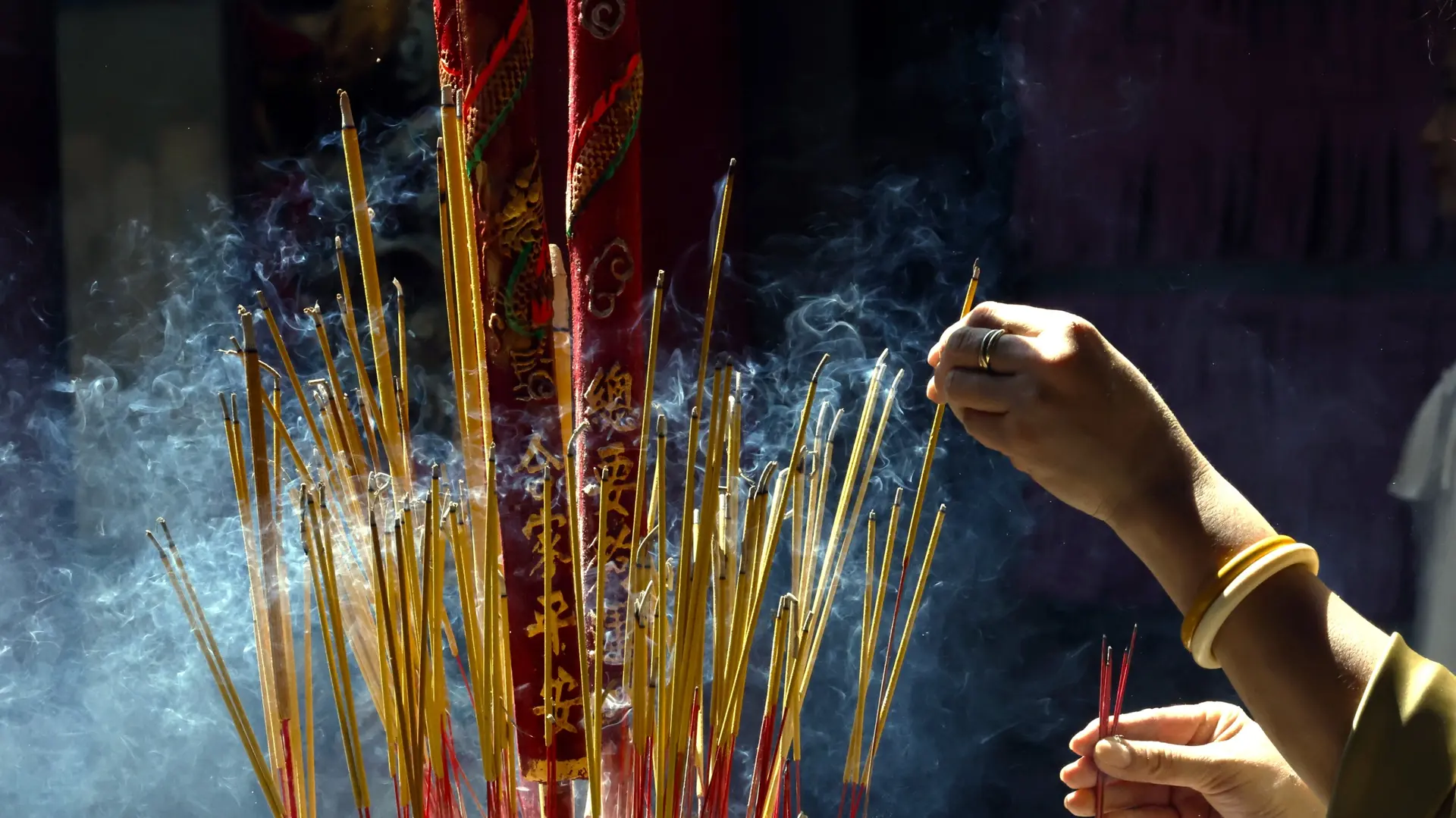
Spirituality
Temples, méditation, retraites spirituelles
We use cookies to improve your experience and measure our site's audience. You can choose what you accept. Learn more.