Other Museums and Palaces
Other Museums and Palaces
War Museum, Fine Arts Museum and People's Committee Headquarters: three complementary cultural stops at the heart of Ho Chi Minh City.
Three complementary sites to understand Ho Chi Minh City
Beyond the major tourist attractions, Ho Chi Minh City is home to several cultural and institutional places that illuminate the city's history and contemporary Vietnam. The War Museum, the Fine Arts Museum and the People's Committee Headquarters form a coherent route through the city center: war and independence, artistic heritage, colonial architecture and municipal power. These three stops lend themselves to half a day of walking through a radius of a few kilometers around District 1.
Why visit these sites?
Ho Chi Minh City reads on multiple levels. Pagodas and markets tell the story of daily life, but these museums and official buildings offer an essential historical and institutional perspective. Visiting them together allows you to understand how the city was built: a French colonial past visible in stone, a twentieth century marked by war, and a Vietnamese artistic identity nourished by ancient civilizations (Champa, Oc Eo) as well as modern currents.
The format remains accessible: the collections are focused, distances are short, and English signage is sufficient for independent English-speaking visitors.
What to see there?
The War Museum of Ho Chi Minh City
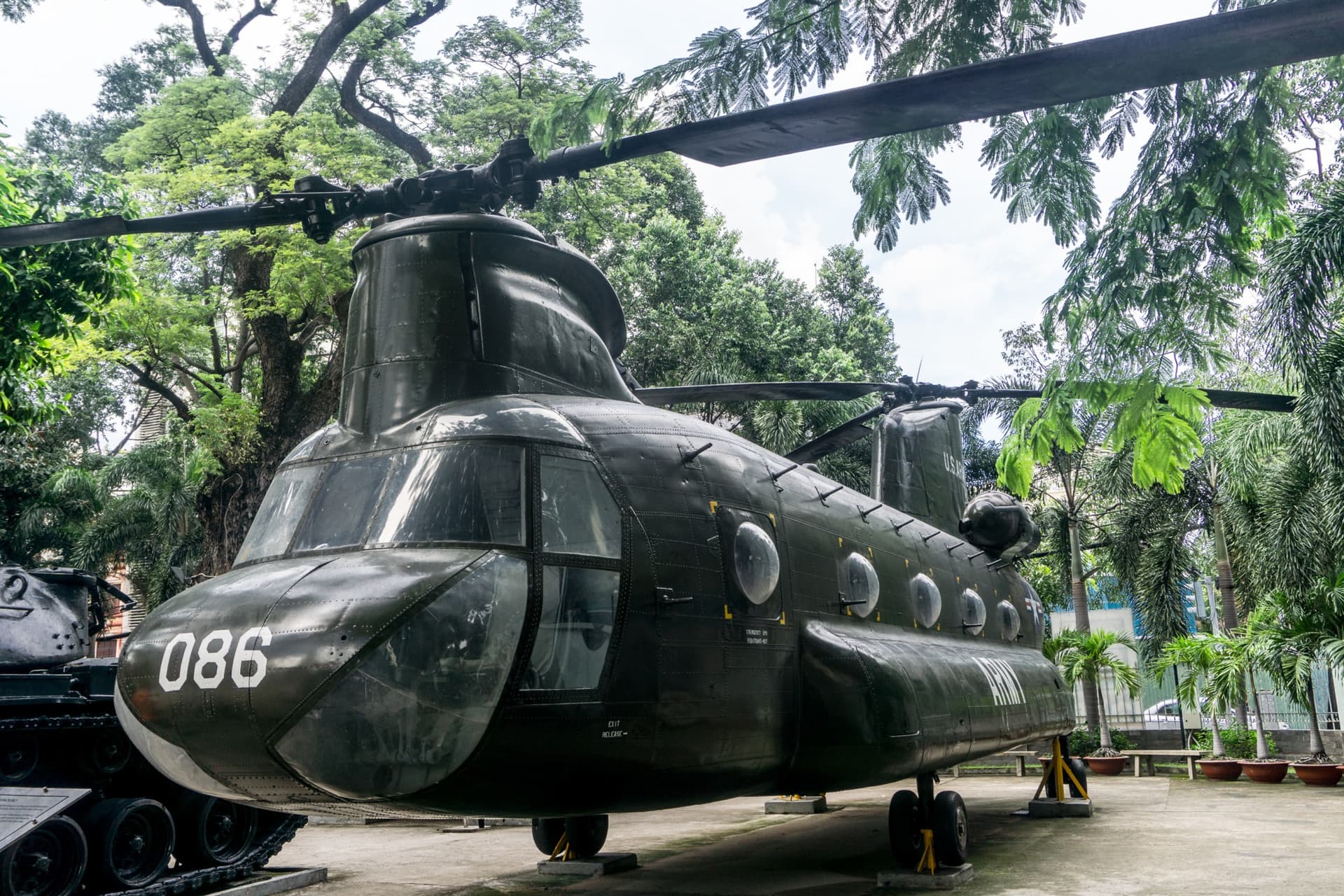
Often called the Museum of War Remnants in its most well-known version, or presented under other names depending on the buildings, this museum displays American, Chinese and Soviet war machines in the open air: tanks, helicopters, artillery pieces. The emblematic piece remains a tank that participated, on April 30, 1975, in the taking of the Reunification Palace, an event marking the end of the Vietnam War.
The interior rooms complement this open-air exhibition with photographs, documents and objects witnessing the conflict. The tone is direct: sensitive visitors may prefer to spend only part of their time in the most difficult sections.
The Fine Arts Museum
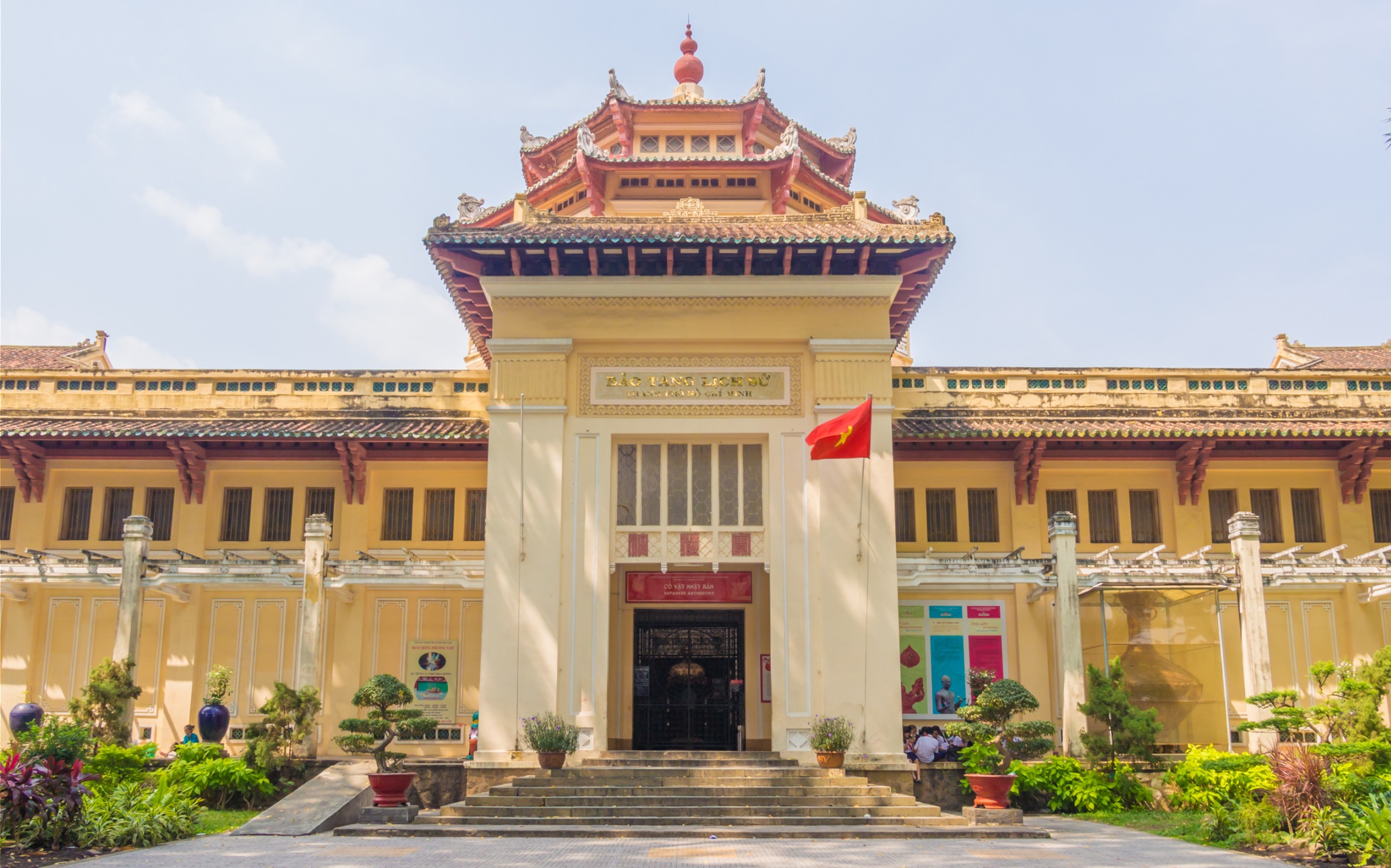
Housed in a large yellow colonial villa, the Fine Arts Museum was officially inaugurated in 1991. It features paintings and sculptures by Vietnamese and foreign artists, arranged across several floors.
On the third floor are works dating from a period spanning the 7th to 20th centuries. The collection includes art objects from the Champa and Oc Eo civilizations, Vietnamese antiquities (ceramics and lacquerware) as well as handicrafts from different ethnic groups. The building itself deserves attention: ironwork, ceramic tiles, wooden staircases and interior courtyards reflect the elegance of early 20th-century Saigon residences.
The People's Committee Headquarters
This former town hall, built between 1901 and 1908, today houses the headquarters of the People's Committee of Ho Chi Minh City. It stands in the middle of gardens, overlooking the pedestrian Nguyen Hue Street that descends toward the Saigon River. The Belle Époque façade, illuminated in the evening, is one of the most recognizable images of the city.
The building is not open for interior tours, but the esplanade in front of it, with the Ho Chi Minh statue, is a must-see spot to photograph the French colonial architecture of the center.
Practical Information
- Location: all three sites are located in District 1 of Ho Chi Minh City, within walking distance of each other or just minutes by taxi.
- Duration of visit: allow 1 to 1.5 hours for the War Museum, approximately 1 hour for the Fine Arts Museum, and 15 to 20 minutes to photograph the People's Committee Headquarters from Nguyen Hue Street.
- Admission fees: moderate entrance fees at both museums, free for the exterior view of the town hall.
- When to visit: prefer the morning for cooler temperatures, and late afternoon to see the People's Committee Headquarters illuminated.
- Dress code: light clothing covering the shoulders, comfortable shoes for walking between visits.
What to see nearby
To extend your exploration of Ho Chi Minh City and its surroundings, several sites combine well with this cultural route:
- The Botanical Garden and Zoo, a direct neighbor of the center, for a green break after the museums.
- Buu Long Mountain and Long An Province, about an hour's drive away, for a full-day excursion.
- Ba Den Mountain, the highest peak in southern Vietnam, accessible from Ho Chi Minh City.
- Ba Chuc and the Ba Lai River, to explore the Mekong Delta beyond the metropolis.
Planning your trip
These three sites naturally integrate into a stay in Ho Chi Minh City, the ideal starting point to discover the south of the country, the Mekong Delta and the coast. To build a tailor-made itinerary including urban culture, nature and local encounters, consult our suggestions for travel to Vietnam.
Interested in this visit?
We can include it in your personalised itinerary.