Vietnam History Museum Bao Tang Lich Su
Vietnam History Museum Bao Tang Lich Su
Set in an Indochinese building from 1929 in the heart of Saigon's Botanical Garden, the Vietnam History Museum traces 4,000 years of civilizations.
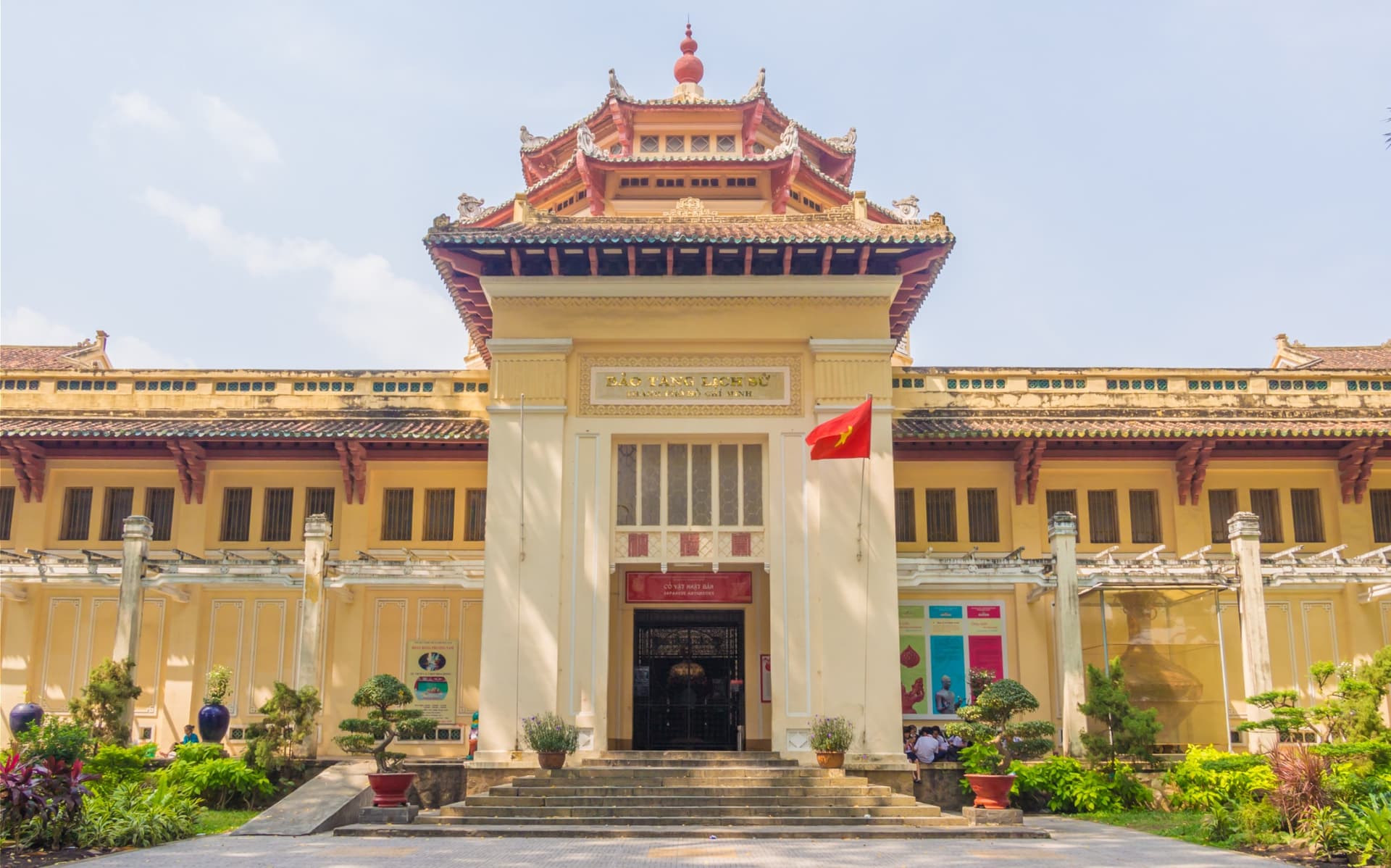
The Vietnam History Museum, known locally as Bảo tàng Lịch sử, occupies an Indochinese-style building constructed in 1929 within the grounds of the Ho Chi Minh City (former Saigon) Botanical and Zoological Garden. Its collections span nearly four thousand years of Vietnamese history, from prehistory to the founding of the Communist Party in 1930.
Why visit this museum
For those interested in the long arc of Vietnamese history, this museum offers a synthetic introduction to the civilizations that succeeded one another across Vietnamese territory. It brings together under one roof artifacts from distinct cultures: Dong Son from the north, Oc-Eo from the Mekong Delta, Cham art from central Vietnam, Khmer sculpture, and decorative arts from the Nguyen imperial period.
- A rare, coherent chronological overview of Vietnamese cultures.
- A classified colonial building, witness to 1920s Indochinese architecture.
- A conveniently central location within a shaded park.
- A natural complement to visiting the Botanical Garden and Quoc Tu Pagoda, situated directly across.
Museum history
The institution was founded in 1929 under the direction of the Indochinese Studies Society. It was initially named the Blanchard de la Bosse Museum, after the Governor of Cochinchina at the time. Designed by architect Auguste Delaval, the building merges Sino-Vietnamese carpentry traditions with colonial architecture, featuring an octagonal rotunda crowned by a pagoda-style roof.
After independence, the venue became the National Museum of Saigon, then transformed in 1975, following the country's reunification, into the Vietnam History Museum. Collections grew progressively with artifacts transferred from other institutions and archaeological discoveries made in the South.
What to see inside
Prehistory and Dong Son civilization
The opening galleries present lithic tools and, most notably, the celebrated bronze drums of the Dong Son culture (circa 700 BCE – 100 CE). These ceremonial drums, adorned with geometric patterns and scenes of daily life, demonstrate the mastery of bronze-working in the Red River Delta.
Oc-Eo culture and the Funan kingdom
One section focuses on Oc-Eo culture (1st–6th centuries), associated with the Funan kingdom that then controlled the Mekong Delta. Gold jewelry, intaglios, Roman coins, and Indian objects unearthed at the site illustrate the region's early integration into maritime trade routes connecting the Mediterranean, India, and China.
Cham and Khmer arts
The museum holds a remarkable collection of Cham sculptures (linga, Hindu deities, dancers) from sanctuaries in central Vietnam. Several Khmer relics originating from the Angkor Vat site in Cambodia testify to the Indianized influence that radiated across the peninsula.
Imperial Vietnam and minorities
The final galleries cover the Ly, Tran, Le, and Nguyen dynasties, displaying court furniture, blue-and-white ceramics, costumes, and weaponry. An ethnographic section showcases clothing and ritual objects from southern ethnic minorities. A mummified woman dating to the 18th century, unearthed at Xom Cai in 1994, ranks among the museum's most striking pieces.
Practical information
- Address: 2 Nguyen Binh Khiem, District 1, at the entrance to the Botanical Garden.
- Duration of visit: plan for 1 to 2 hours depending on your interest in archaeology.
- Admission: moderate entry fee, separate ticket from the Botanical Garden.
- Labels: in Vietnamese and English, occasionally in French for older pieces.
- Photography: permitted without flash in most galleries.
How to get there
The museum lies about 2 km from Ben Thanh Market and Notre-Dame Cathedral. Walking is possible during the dry season, though the heat makes a taxi or ride-sharing app (Grab, Be) a more comfortable option. Several bus lines serve the Botanical Garden stop. The area offers bicycle parking at the entrance.
Nearby attractions
The visit pairs easily with other sites in District 1 and beyond:
- The Botanical and Zoological Garden, within the same grounds.
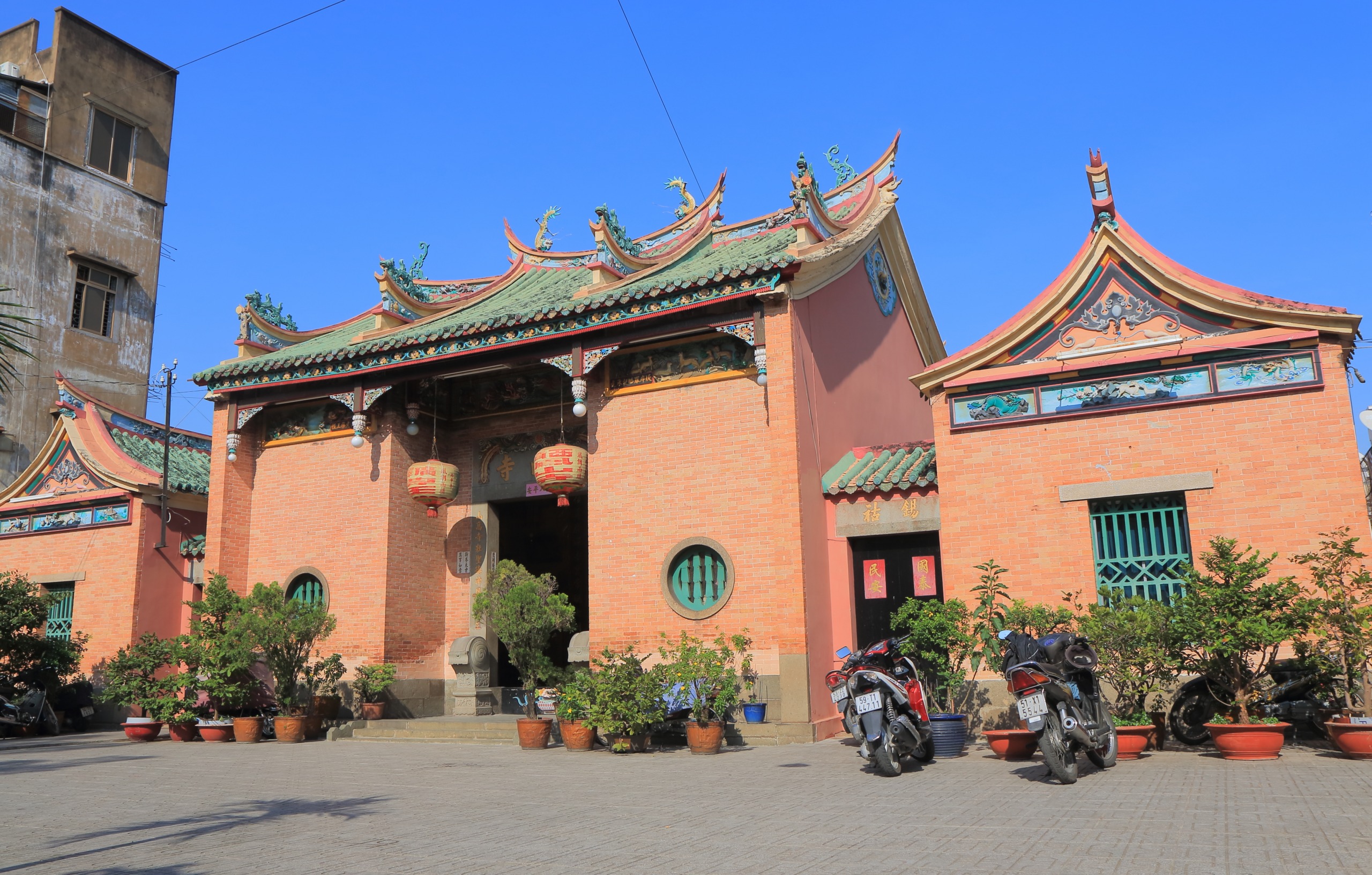
- Quoc Tu Pagoda and the Memorial Temple of the Hung Kings, across from the museum.
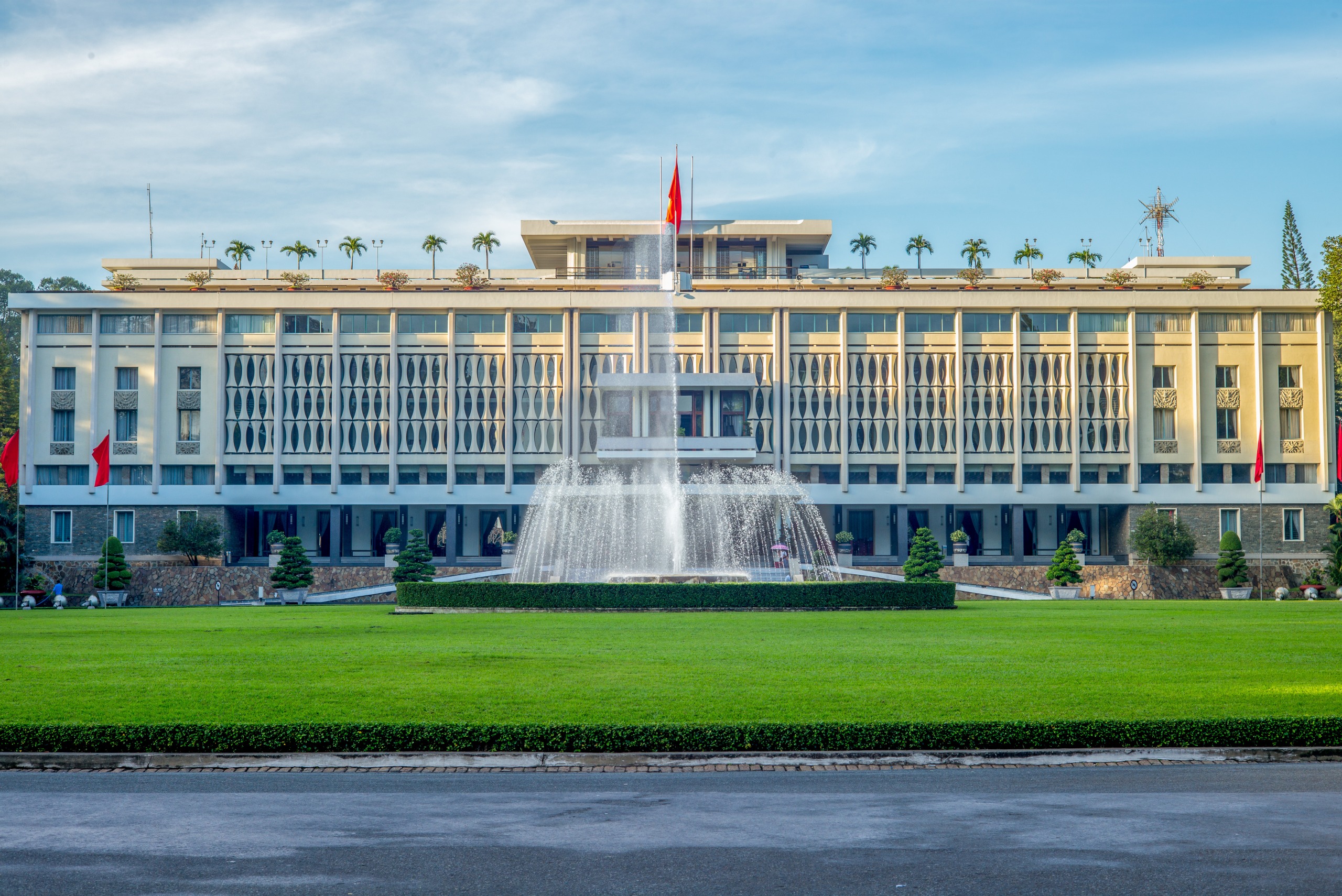
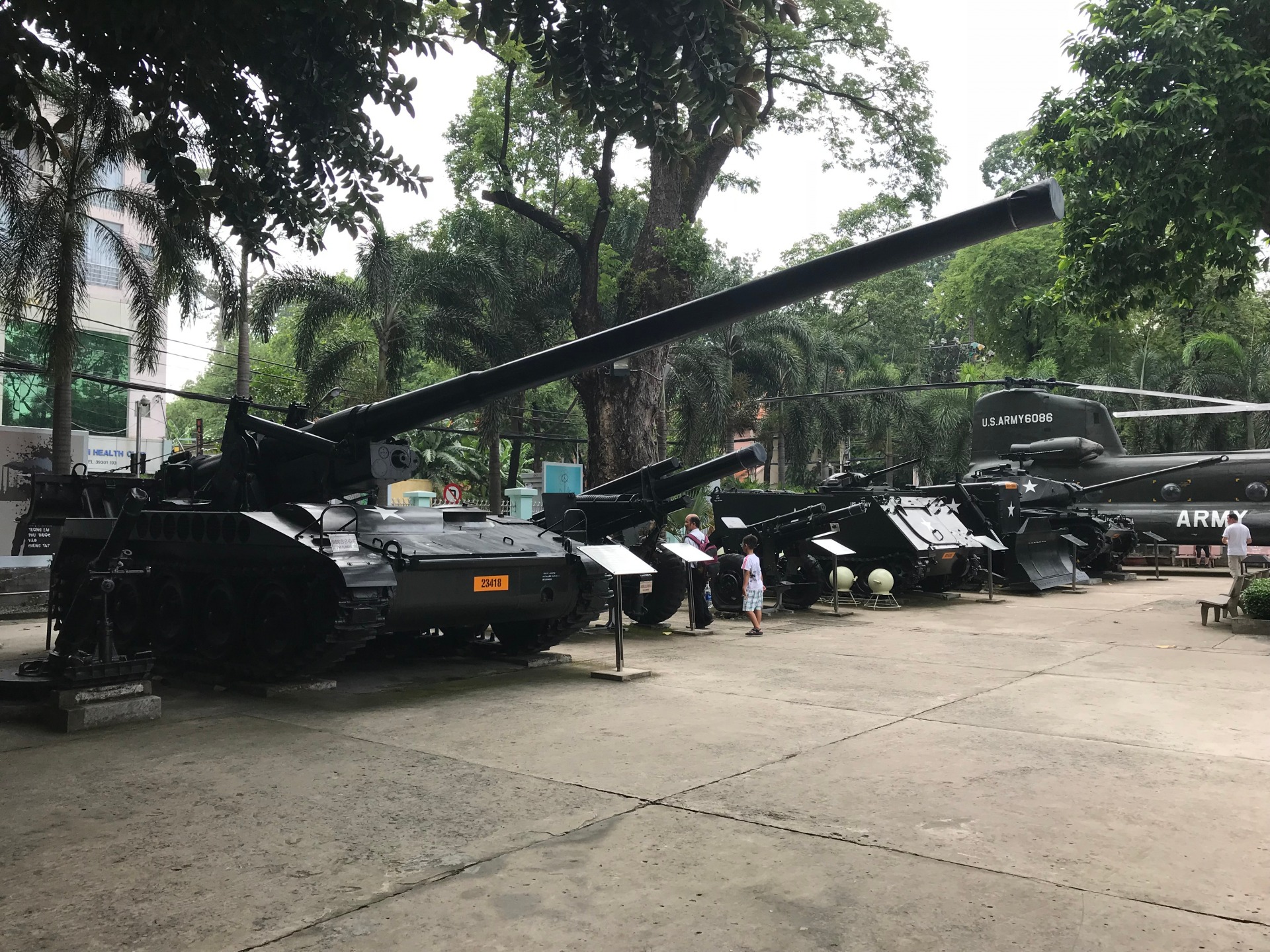
- The Reunification Palace and War Remnants Museum, a 15-minute drive away.
- To deepen your museum experience, the Cham Sculpture Museum in Da Nang remains the definitive reference on Champa art.
- On an excursion from Saigon, Cai Rang floating market offers a vibrant contrast to the museum's serene atmosphere.
- For lovers of karst landscapes north of Saigon, Buu Long mountain deserves a half-day visit.
Frequently asked questions
One to two hours is sufficient to tour all the galleries. Archaeology or Cham art enthusiasts may want to spend a half-day here.
No, the two tickets are separate, even though museum entry runs through the park. Keep your tickets if you wish to exit and re-enter.
Labels are consistently bilingual in Vietnamese and English. A few older plaques retain French notices, a legacy of the museum's colonial foundation.
Yes, the approaches differ significantly. The Da Nang museum focuses on Champa sculpture, while the Saigon museum offers a chronological overview of all Vietnamese cultures, from Dong Son bronzes through the imperial dynasties.
Incorporate the museum into your trip
A cultural morning stop to integrate into your discovery of Ho Chi Minh City. To build a bespoke itinerary through Vietnam, explore our Vietnam tours and connect with our local advisors.

Nearby

Interested in this visit?
We can include it in your personalised itinerary.