Hanoi
Hanoi
Old Quarter of the 36 Corporations, steaming pho, Taoist temples and colonial heritage: complete guide to visiting Hanoi, capital of Vietnam.
Hanoi, capital of Vietnam, whose name literally means "beyond the river," is a city where traditions and legends intersect, dotted with lakes, tree-lined avenues and verdant parks. At its heart, Hoan Kiem Lake forms the true historical center of the capital, where Asian and European influences intertwine.
Everywhere, commerce thrives while ancestral traditions continue in charming old quarters with intertwining alleyways. Each person perceives Hanoi in their own way. Gentle and restful, vibrant and alive, authentic and folkloric…
A Touch of History
Founded in 1010 under the reign of Ly Thai To, Hanoi first became the capital of French Indochina from 1902 to 1953, then of the Democratic Republic of Vietnam from 1954 to 1976, and finally of the Socialist Republic of Vietnam to the present day.
For nearly 75 years, the city endured multiple oppressions of colonization. Its independence was proclaimed on October 8, 1954, the date of France's last armed conflict in history at Mangin Stadium, under the command of General Massu.
From the early twentieth century onward, one could recognize the streets of metal and metallurgy, silk, paper and objects made from the same materials…
Today
This region is experiencing very rapid population growth. Given that 4 communes were integrated into Hanoi, the number of inhabitants increased from 3.5 to 6,232,940 million for an area of 13,436 km². Its dynamic economy has propelled the city toward industrial and tertiary sectors.
In construction, rapid evolution has also been noted. By 2014, it had more than 100 skyscrapers rising above 100 meters.
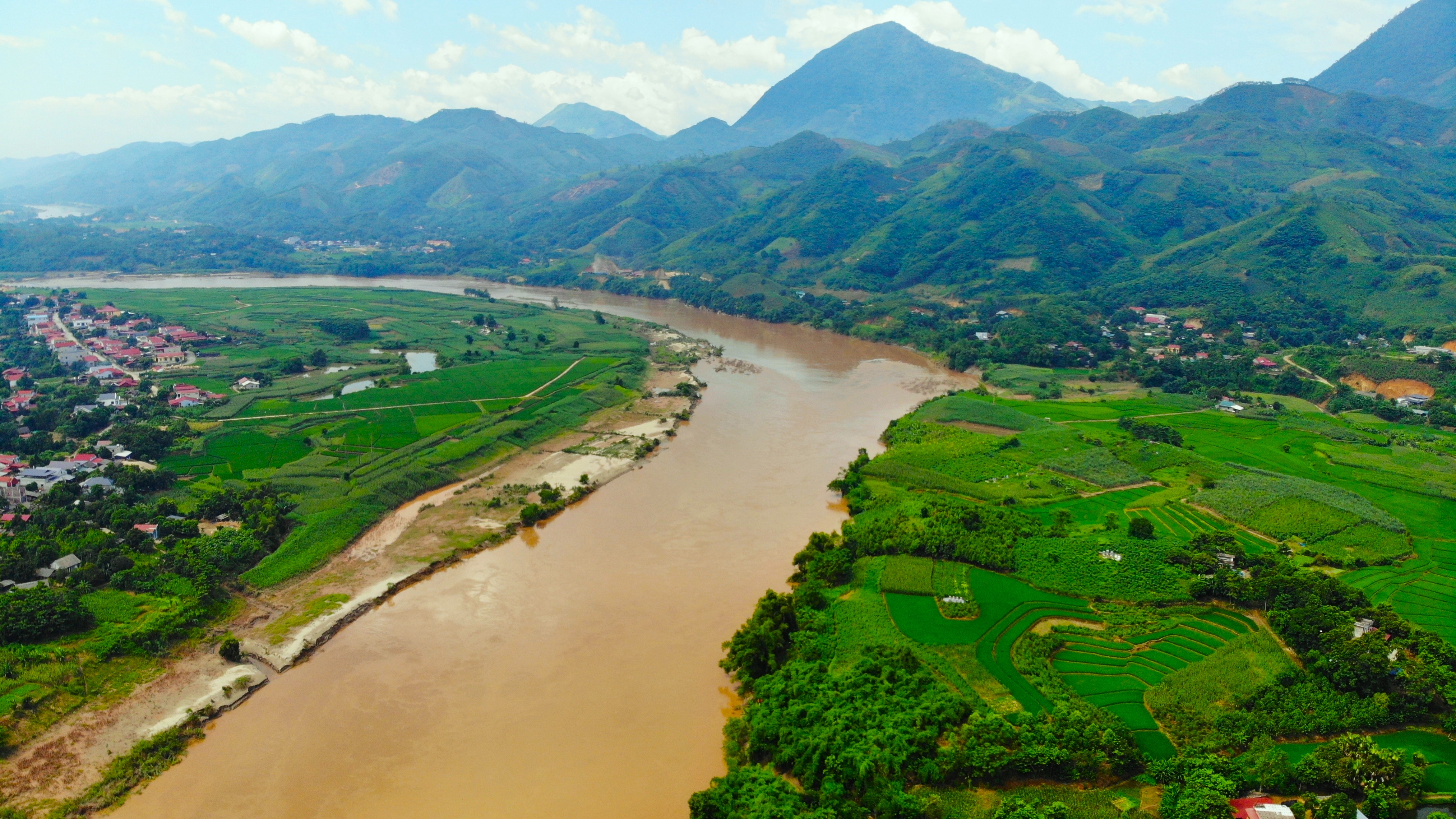
Hanoi stretches along the banks of the Red River, which can be crossed at two points: the Long Bien Bridge, reserved for cyclists and pedestrians, and the new Chuong Duong Bridge. Hanoi's city center develops around Hoan Kiem Lake, with the old quarters to the north, and colonial quarters on the opposite side. West of the old town lies the Hanoi Citadel, of which little remains. Further on, the Ho Chi Minh Mausoleum and north of the monument, the West Lake stretches out, also called Ho Tay.
Hanoi's Old Quarter offers a unique beauty best discovered as night falls. Ta Hien Street, for example, is a place where beer flows freely. As accompaniment, you can order typical dishes at street food vendors such as nem chua, chim nuong, oc luoc and much more.
Detour to the Temples
To enhance your journey, begin with a visit to Hanoi's magnificent sanctuaries.
Ngoc Son Temple
Exploring this site first, you'll immerse yourself in a mystical, relatively calm atmosphere. Built on a verdant island, you must first cross a bright vermilion bridge. Inside the sanctuary, altars are dedicated to different figures venerated by Taoist followers. A mummified tortoise is also displayed, highly sacred to local inhabitants and also an object of worship. In another room, an impressive giant tortoise dating from the fifteenth century measures 2 meters long and weighs nearly 250 kg.
Temple of Literature
In the old town of Hanoi stands the Temple of Literature. It housed a Confucian academy with extraordinary architecture. Everything was based on the teachings of the sage Confucius. Now a major cultural and tourist attraction in Vietnam, one indeed notices a steady influx of visitors to the site.
One Pillar Pagoda
Also called "Mot Cot," this structure constantly draws all eyes. The pagoda represents not only the legendary unity of the country but also the most remarkable architectural work throughout Asia. Since October 2012, it has been proud to be among Vietnam's world records.
A Glance at Historical Monuments
Ho Chi Minh History Museum
It was the first monument created in Cochinchina and primarily preserves artifacts. Subdivided into 2 distinct buildings, the first spans 2,100 m² and was designed by Auguste Delaval. The second was built by Vietnamese architect Nguyen Ba Lang. In 2012, the building was designated a national architectural monument by the Ministry of Culture, Sports and Tourism.
Ho Chi Minh Mausoleum
This is a mortuary vault with unique cladding. Inspired by Lenin's Mausoleum, it houses the mortal remains of Ho Chi Minh, principal founder of the Democratic Republic of Vietnam. Upon entering the central hall, one must strictly observe the regulations imposed by staff and guards.
Museum of Ethnology
Featuring an enormous exhibition hall, the building displays objects specific to the daily life of several ethnic groups. Detailed information recounts Vietnam's traditional styles of religious practices and symbolic rituals. The grounds also have a research center, library and auditorium.
National Museum of History
This was formerly an old French school housed in a massive colonial building. It features 2,000 m² of exhibition halls spread across several levels. An important collection of objects is arranged chronologically and traces Vietnam's origins to the mid-twentieth century.
Museum of Fine Arts
Located in the Dong-ga quarter, it ranks among the 3 most beautiful museums in Hanoi. Discover its rich collection of treasures, ranging from sculptures to marvelous paintings and landscapes.
Other Museums
A visit to these different monuments is worthwhile. They include:
- Imperial Museum;
- Museum of War Remnants;
- Museum of Vietnamese Women;
- National Museum of Nature;
- Hoa Lo Prison.
The Lakes in Detail
We present here the 3 major lakes in Hanoi, each with its own particular charm.
Ho Tay or West Lake
Nicknamed "the Lake of Morning Mists," it spans more than 5 km². Along the way, you'll discover the Tran Quoc Pagoda and the Schneider Villa on its shores, ideal for strolls. The location offers an excellent vantage point for admiring a magnificent sunset.
Hoan Kiem Lake
Meaning "the restored sword," this lake is situated in Hanoi's old town. It's where residents come daily to jog, have a picnic or gather with family. It's characterized at its center by the Tortoise Island, Vietnam's emblematic animal. As night falls, another facet reveals itself from the Sunrise Bridge. Feel the enchanting atmosphere created by the reflection of twinkling lights on the water's surface.
White Bamboo Lake
Covering an area of 9 hectares, the lake impresses both locals and foreign visitors with its flamboyant trees bearing red flowers. During their blooming in summer, crowds of people are seen strolling along the shores to appreciate the magical scenery.
Festive Events in Hanoi
Like other Asian regions, Hanoi also hosts cultural festive celebrations.
Water Puppet Theater
This is an absolutely must-see experience during your stay in Hanoi. Called "Thang Long," this event is sure to delight young and old alike. You can attend various performances, arranged by different themes. The show reproduces many scenes from a village festival, a countryside ceremony, traditional dances, fishermen at work, with particular mention of the swan lake version.
Hanoi Opera House
Highly appreciated by tourists, this is a century-old masterpiece that marks a major venue for the country's great events. The interior features a spacious stage, an 870-seat auditorium and several administrative rooms. The place distinguishes itself by its famous hall of mirrors, reserved for meetings and cocktails.
Annual Celebrations
Hanoi places great importance on civic and Buddhist festivals that take place throughout the year. The most important among them is the Tet Nguyen Dan celebration at New Year, marking the passage from winter to spring.
Practical Information
Climate
According to the Köppen-Geiger classification, Hanoi is marked by a humid subtropical hot climate, characterized by dry but cool winters. Summers, sometimes under monsoon influence, are generally very long. The months of May to July appear to be the favorable period for visiting the city.
By Air
Departing from France, it is the most practical and fastest way to reach Noi Bai International Airport, located 45 km from Hanoi. You can find the best deals on cheap flights around June.
By Bus
Orange Bus 86 provides service only from Noi Bai Airport to Hanoi's city center but is an excellent choice for independent travelers. Departures synchronize every 20 to 25 minutes and operate from 5 a.m. to 9 p.m. Tickets cost just 35,000 dong or $1.50.
By Taxi
They are generally easy to find right at the exit of Noi Bai Airport. Consider reserving if your arrival is scheduled for very late at night. Ride prices vary depending on the route. Noi Bai Taxi, Viet Thanh Taxi, Noi Bai Airport Taxi are the most popular companies. There is also the so-called GRAB service, which offers affordable prices.
Airline Shuttles
Service is generally provided by Vietnam Airlines, Jetstar or Vietjet. In the absence of transportation, you can always resort to these vehicles.
By Bus
Hanoi is ideally served in terms of public transportation. The city has an official network map at the central terminus. Buses are air-conditioned and the fare seems reasonable. Nevertheless, traffic can be quite complicated, especially in the old town. You'll need to be patient to reach your desired destination.
By Taxi
They generally display different amounts depending on the company. To contact them, simply make a phone call or catch them from their designated stations. You can negotiate the price before starting the journey.
By Motorbike Taxi
Otherwise called "xe om," this vehicle is visible at every street corner. The rate proposed by the driver is easily negotiable.
By Cyclo
These modes of transportation, rather neglected by local residents, concentrate mainly near crowded places in hopes of meeting visitors wishing to tour the city.
On Foot
Obviously, if you wish to visit the city in depth, nothing beats a leisurely walk through its streets and alleyways. Given the heavy traffic, you should exercise caution when crossing.
Attractions in Hanoi
See all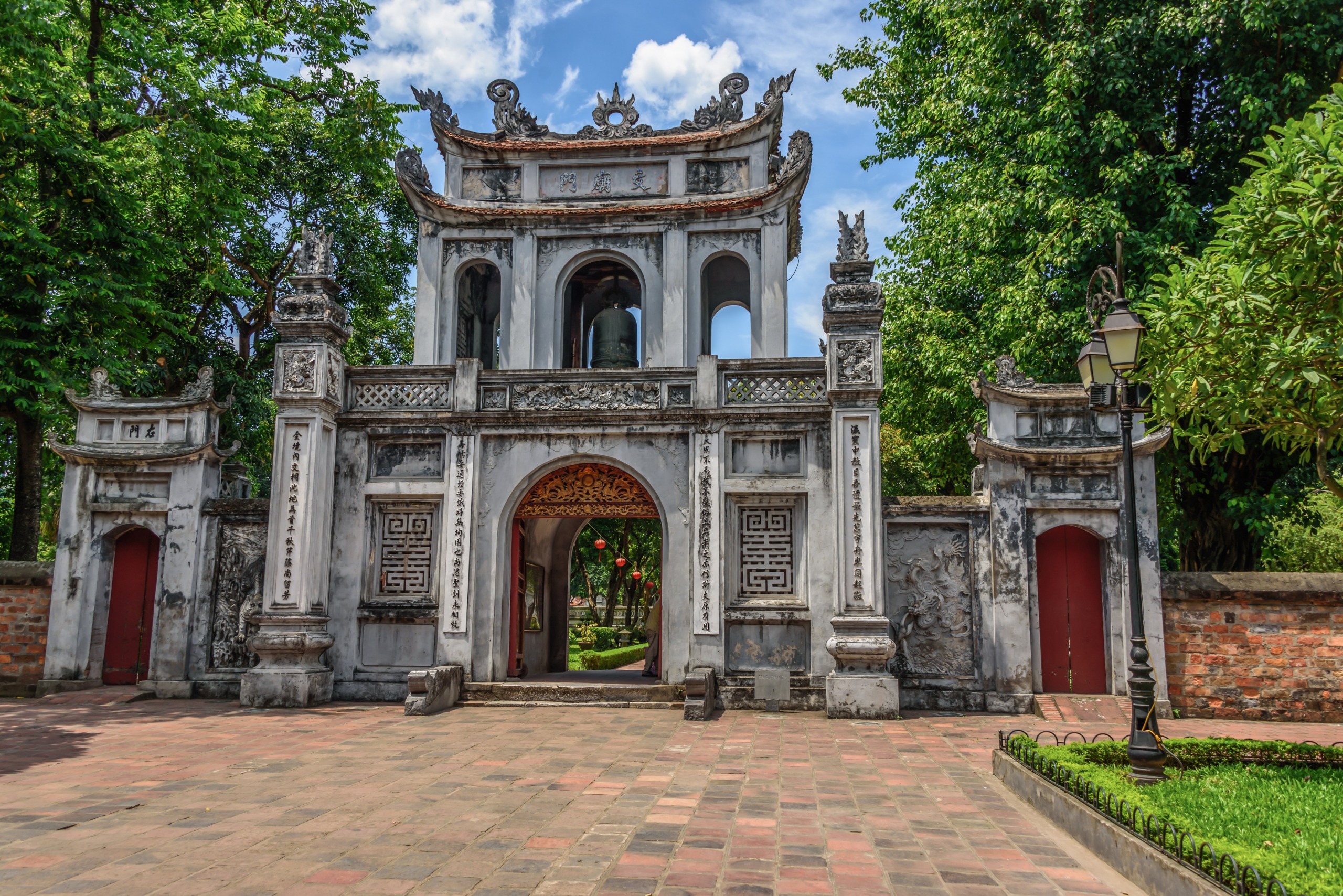
Le temple de la Littérature
Sur la rive gauche de la rivière des Parfums, le Văn Miếu de Huê conserve 34 stèles gravées des noms des docteurs reçus aux examens royaux sous les Nguyên.
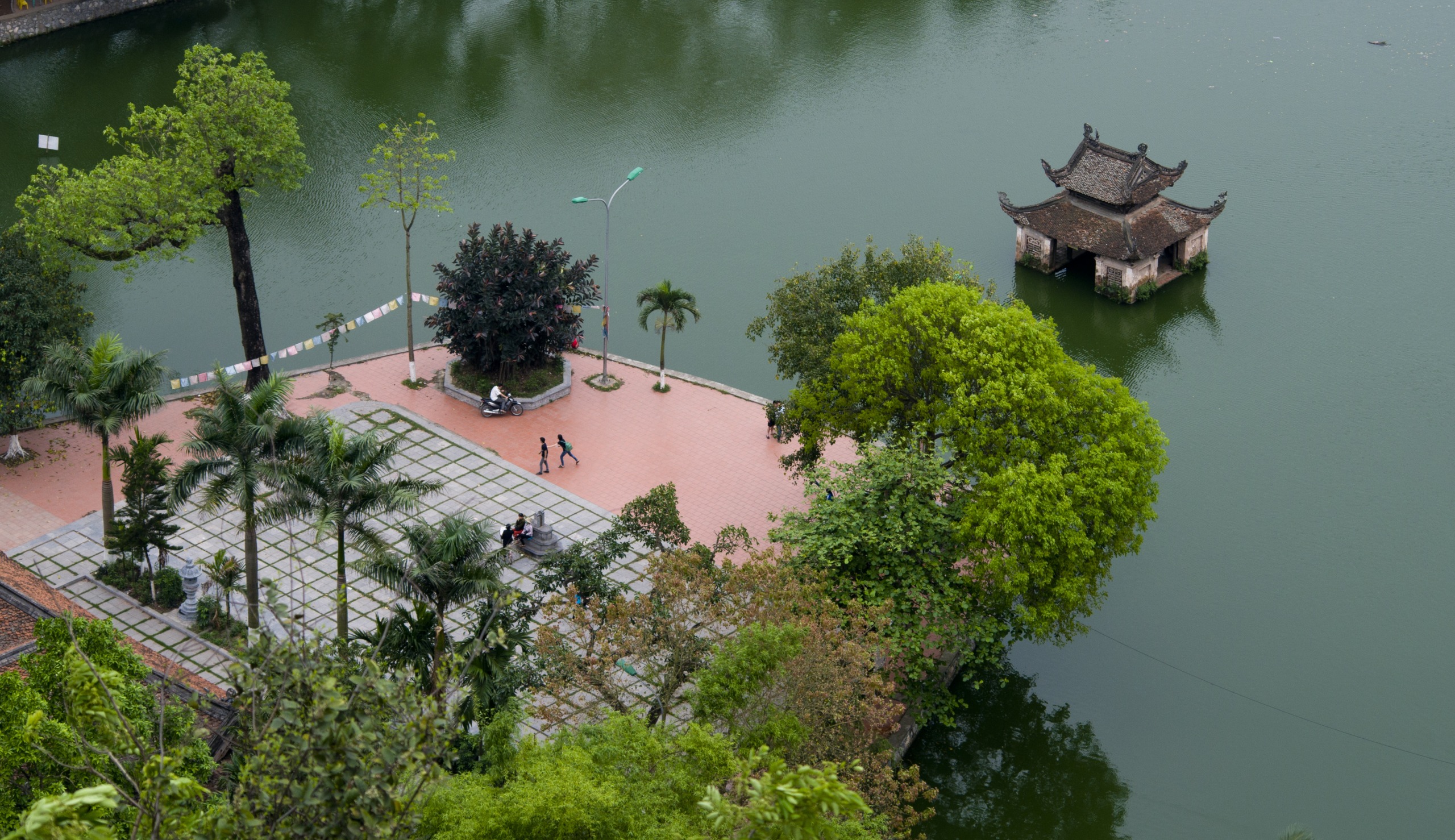
Pagode Thay
À 30 km de Hanoi, la pagode Thay associe trois sanctuaires du XIe siècle, 76 statues en bois de jaquier et un étang dédié aux marionnettes sur l'eau.
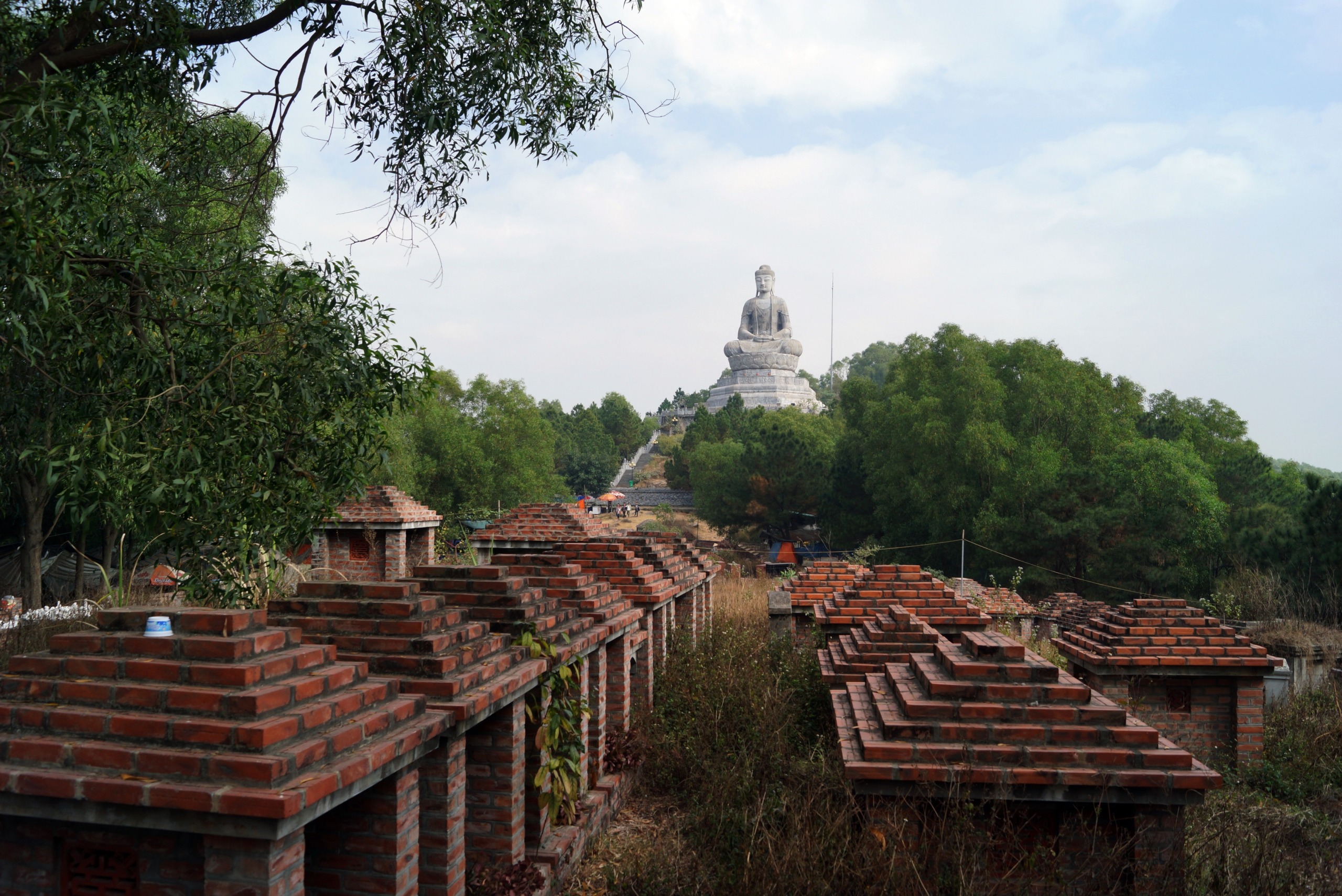
Pagode Phat Tich
À 30 km de Hanoi, la pagode Phat Tich abrite l'une des plus anciennes statues bouddhiques monumentales du Vietnam, dans un cadre de colline boisée.
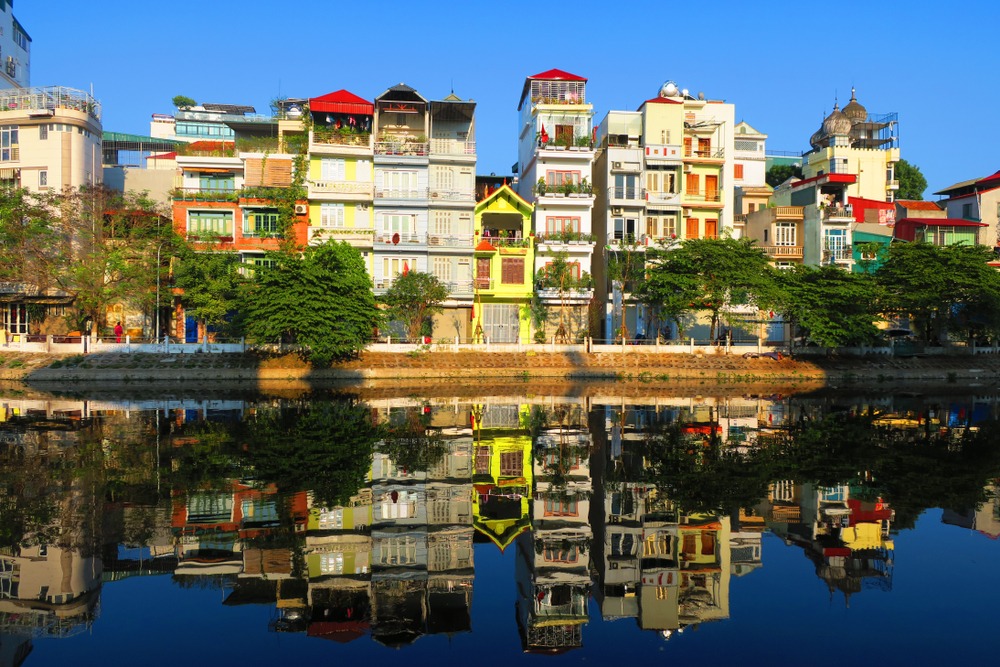
Vieux Quartier d'Hanoi
Guide complet du Vieux Quartier de Hanoï : origines au 11ᵉ siècle, 36 rues d'artisans, lac Hoan Kiem, temples et cuisine de rue au cœur du district de Hoan Kiem.
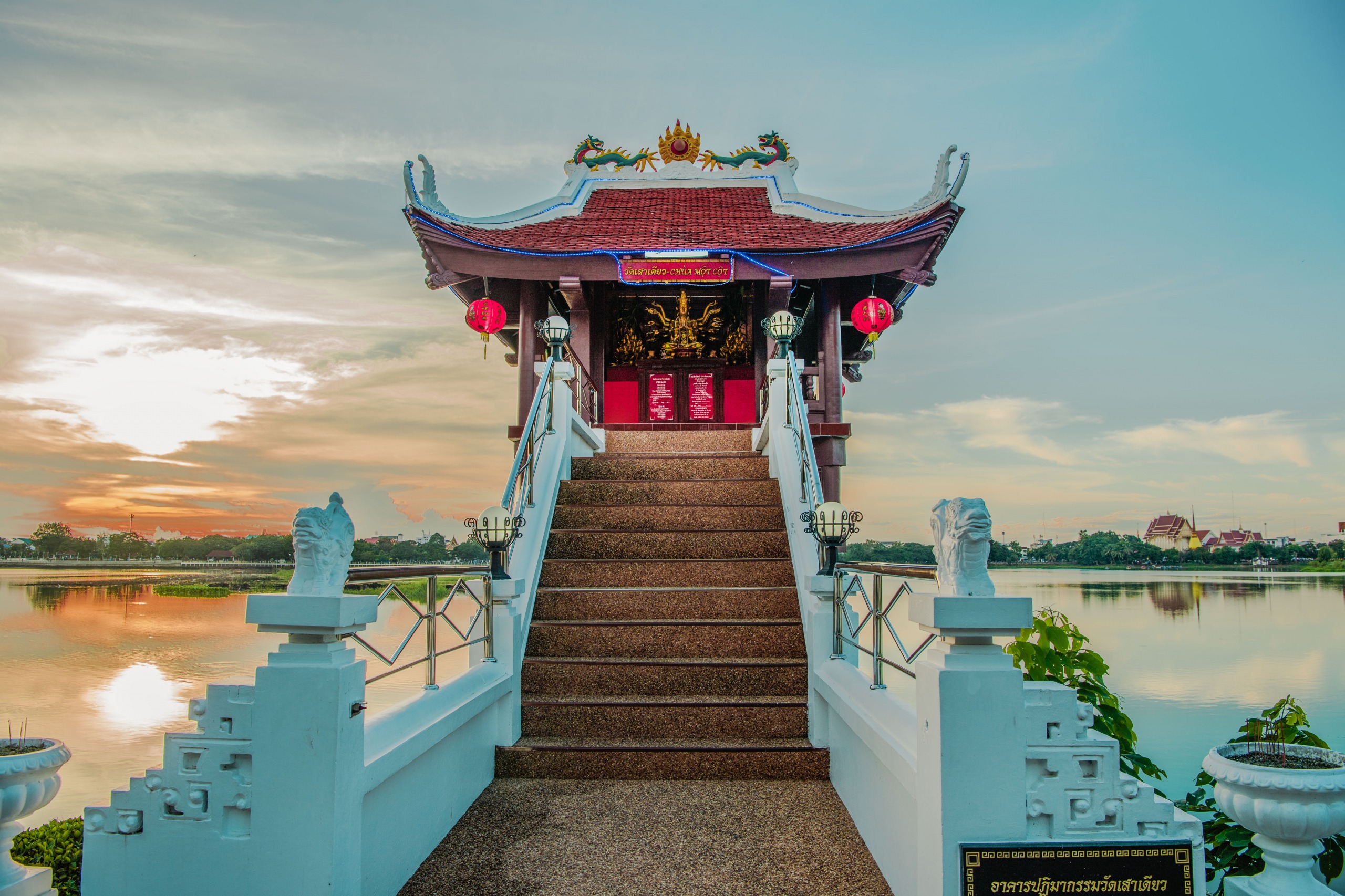
Pagode au pilier unique
Réplique méridionale de la célèbre pagode au Pilier unique de Hanoi, le sanctuaire de Thu Duc témoigne d'une histoire bouddhique liée à la partition du Vietnam.
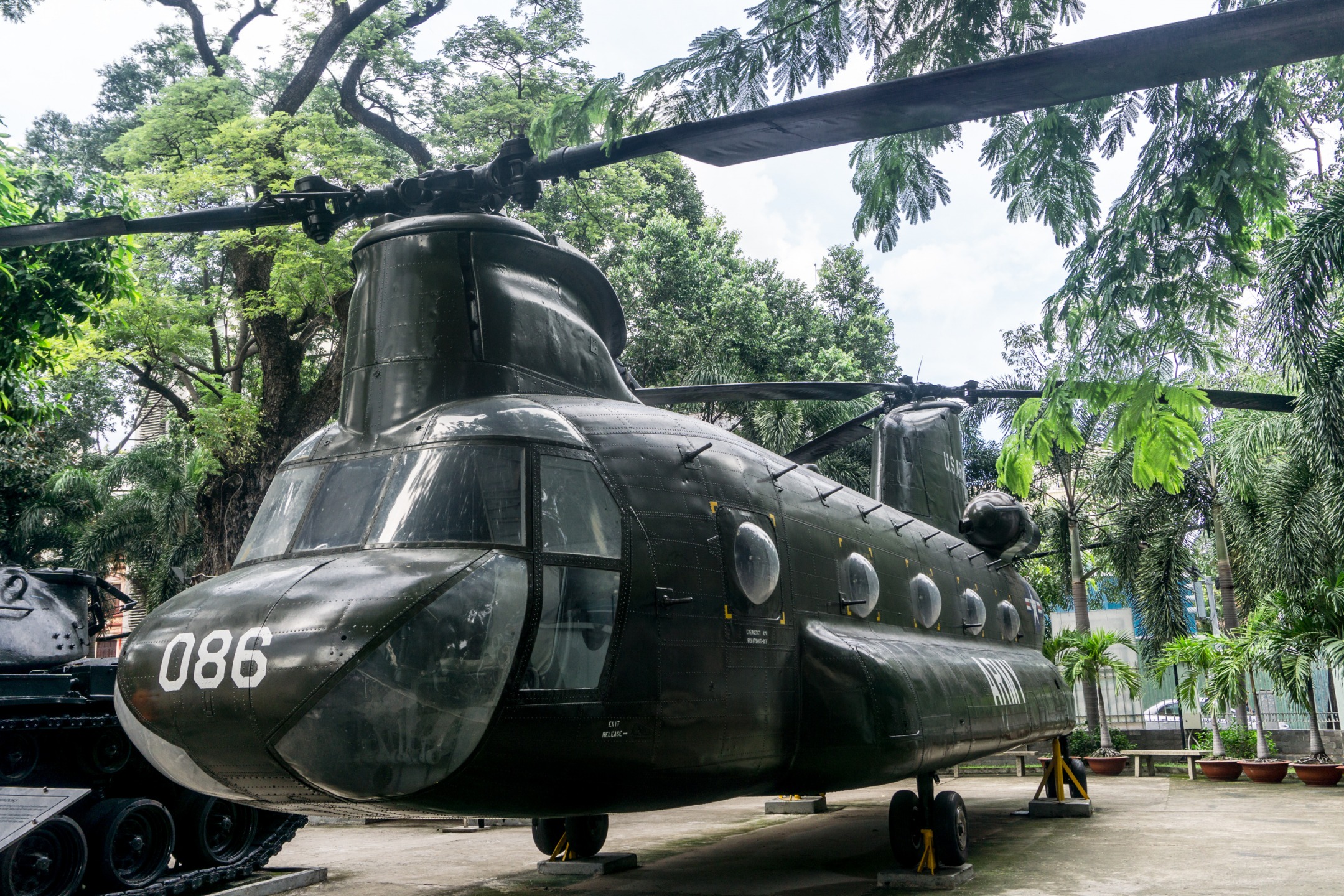
Autres musées et palais
Musée militaire, Musée des Beaux-arts et Siège du Comité populaire : trois étapes culturelles complémentaires au cœur de Ho Chi Minh-Ville.
Want to discover this destination?
Our local advisors design your tailor-made trip.