Hiking in Sapa's Rice Terraces: Our Practical Guide
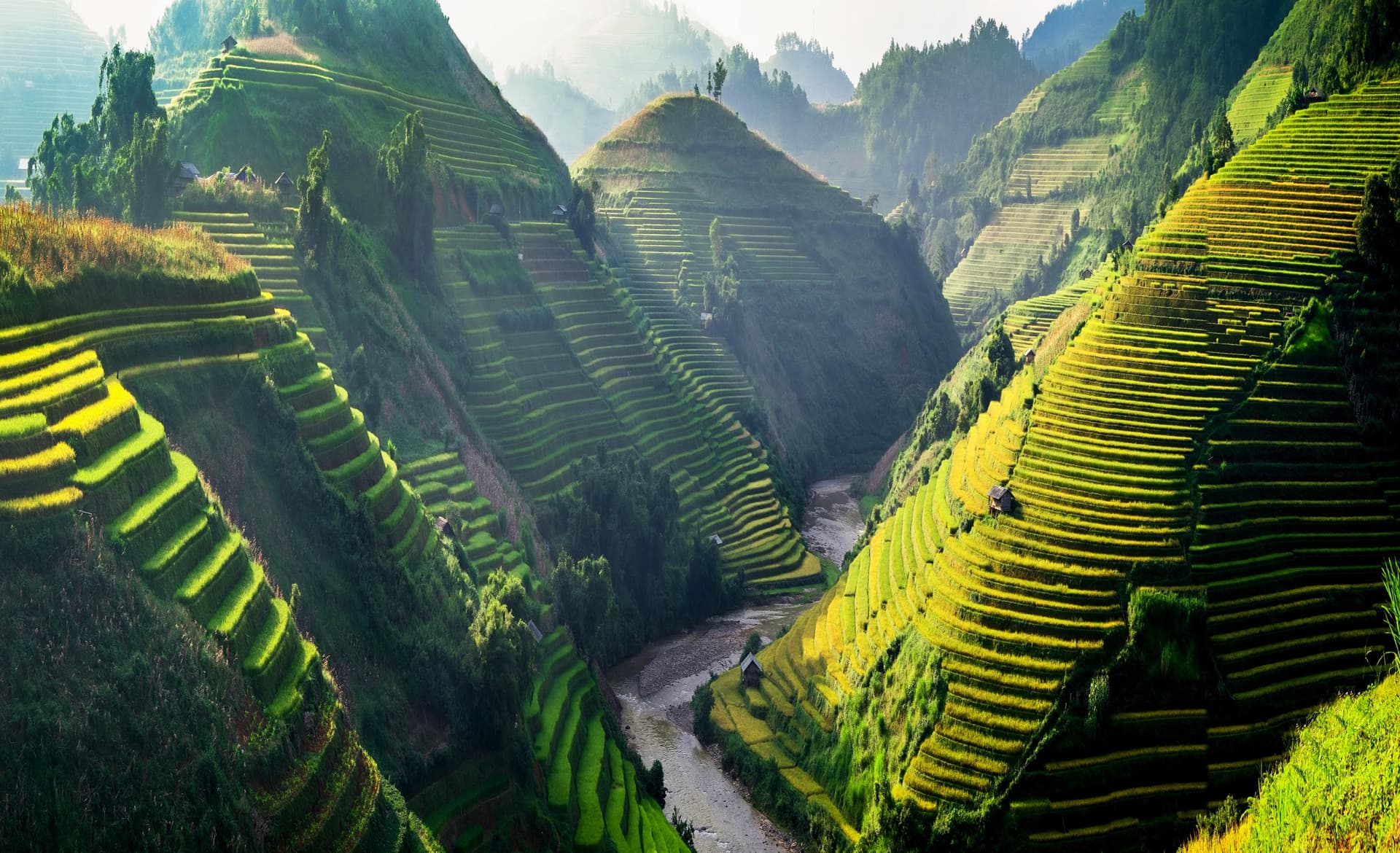
Sapa's rice terraces are among the country's most stunning landscapes. No wonder they're must-see sites when traveling to Vietnam. What to expect? When to go? What to prepare for trekking? Discover our practical guide for hiking and exploring Sapa's rice terraces.
Sapa's rice terraces rank among the most beautiful landscapes in the country. It's no surprise, then, that they're among the must-see sites on a trip to Vietnam. What should you expect? When should you go? What do you need to prepare for trekking? Discover our practical guide for hiking and exploring Sapa's rice terraces.
Sapa's Rice Terraces in a Nutshell
Located in Lao Cai Province, in the far north of Vietnam, Sapa is the country's highest mountainous town. Known worldwide for its stunning terraced rice paddies nicknamed "stairways to heaven
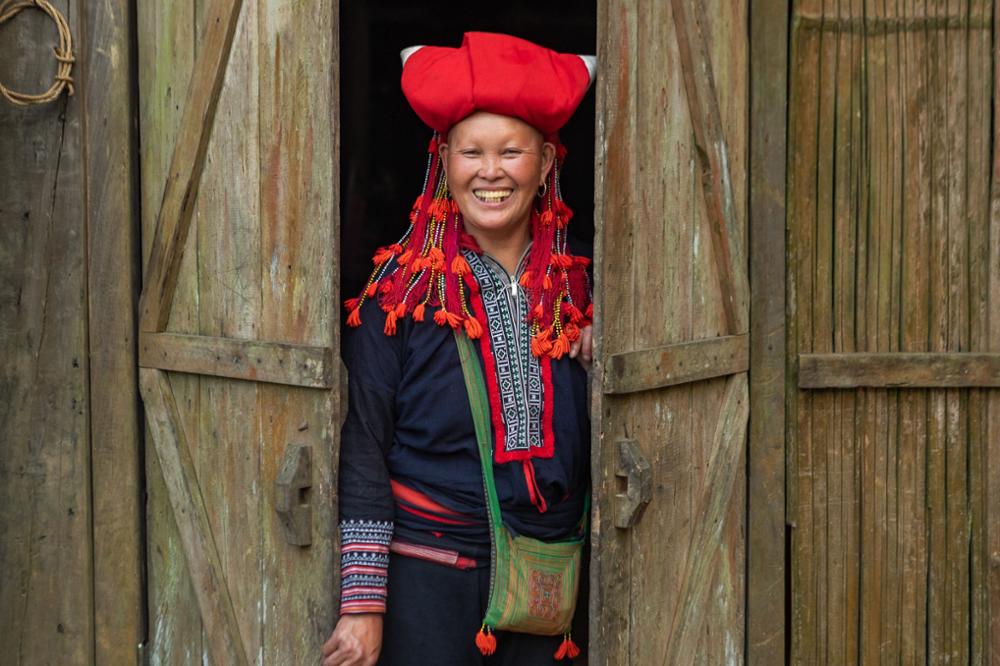
These rice terraces are the result of knowledge passed down through generations by the ethnic tribes of northern Vietnam's mountains. Among them, you'll find:
- The Black H'Mong people,
- The Red Dao people,
- The Tay people,
- The Xa Pho people,
- The Dzay people,
- The Giay people,
- The Nung people...
Each of these ethnic groups has its own codes and customs. You can easily tell them apart by their traditional clothing. Beyond rice farming and agriculture in general, the ethnic groups support themselves by selling their handcrafted creations: embroidery, weaving, jewelry and silver objects, paper... You'll find all the artisanal specialties of the ethnic minorities at the markets in Sapa and Bac Ha.
As you can see, a stay in Sapa is an opportunity to see rice terraces among Asia's most beautiful, and to meet ethnic minorities.
Highlights to discover while hiking in Sapa
Sapa's Ethnic Villages
Sapa's terraced rice paddies are nestled in the mountains of the region. You'll find many ethnic villages that you can explore during a hike. Among the main ethnic villages of Sapa, you can mention:
The Village of Cat Cat
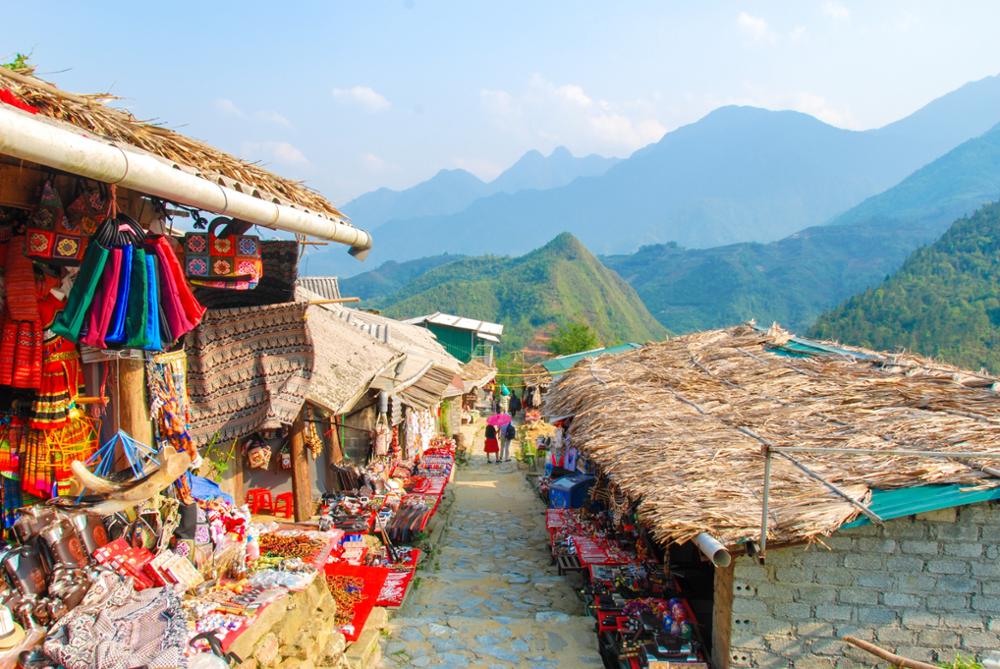
Located just 3 km from Sapa, in the heart of the Muong Hoa valley, it's the most popular ethnic village in the region. It's mainly inhabited by the H'mong. You'll also find Tien Sa Waterfall (Thac Tien Sa) here.
The Village of Ta Van
Located 8 km from Sapa, in the Muong Hoa valley, this village is striking in beauty with its rice paddies stretching as far as the eye can see. Here, several ethnicities coexist: the H'mông, Giay, and Dao.
The Village of Lao Chai
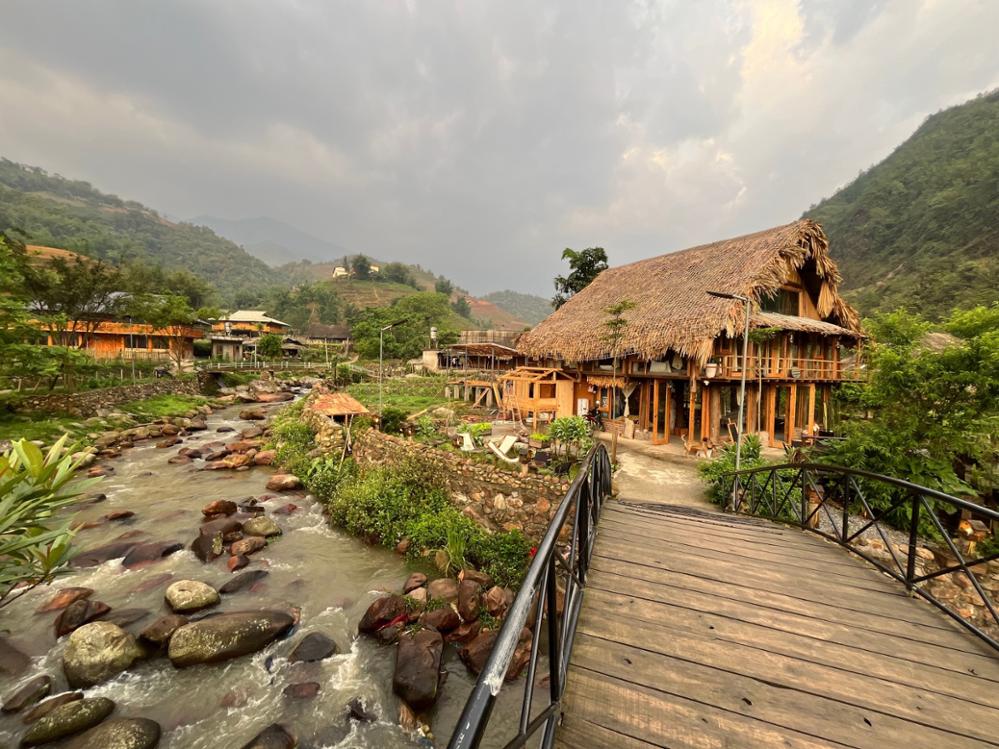
Located not far from Ta Van village, this village is nestled in a valley surrounded by the Hoang Lien Son mountains and Mount Ham Rong. Although the Giay ethnicity is predominant here, other ethnic minorities are also present.
The Village of Y Linh Ho
Located 7 km from Sapa, along the Muong Hoa River, this village enchants visitors with the beauty of its landscapes and peaceful atmosphere. The H'mong are the main ethnicity in the area.
The Village of Ta Phin
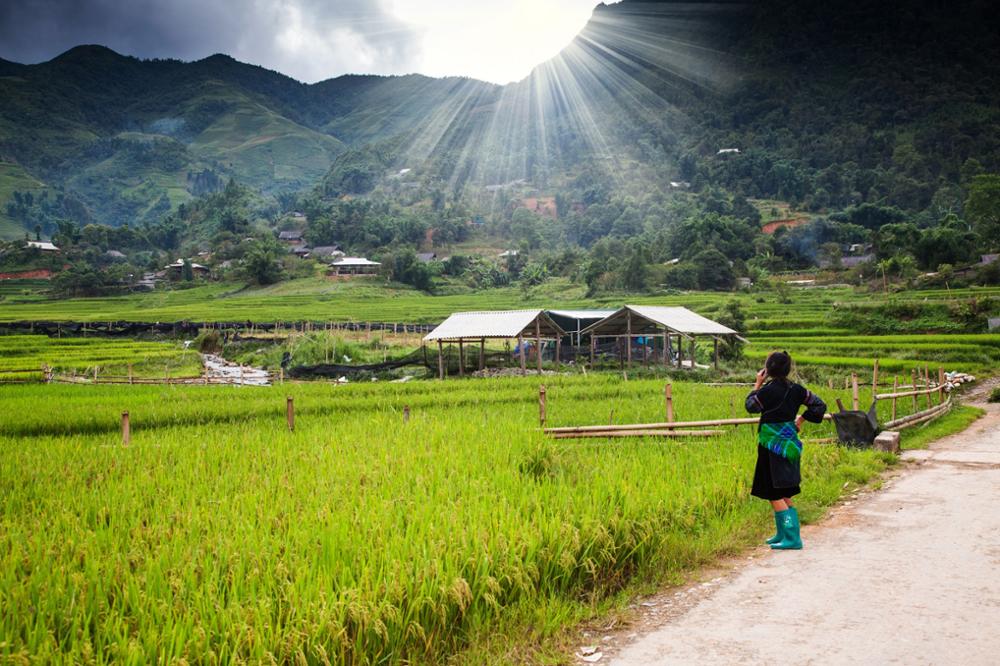
Located 15 km from Sapa's city center, the village is a highly authentic small town where the Red Dao and Black H'mong primarily live. Due to its remoteness, it's one of the least frequented villages by tourists.
The Village of Ban Ho
Located 26 km from Sapa, Ban Ho village has managed to preserve all its authenticity due to its distance from the city center. It's considered one of the most beautiful villages in northern Vietnam.
Sapa's Waterfalls
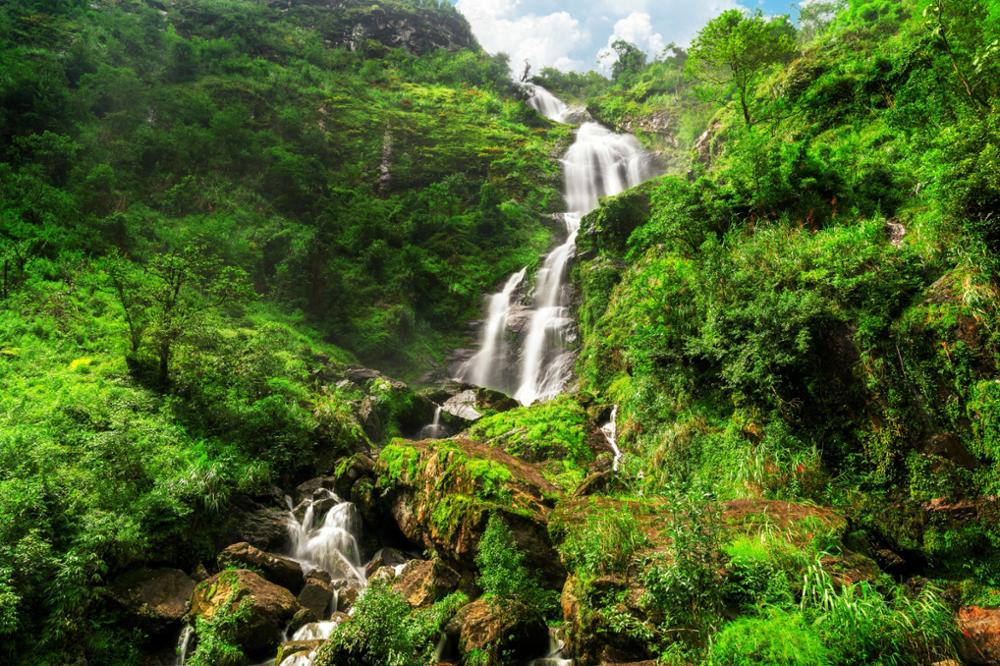
The Sapa region has several waterfalls that you can discover during a trek, the most famous being:
- The Love Waterfall (Thac Tinh Yeu): a 100 m high waterfall at the base of which you can bathe in a natural pool;
- The Silver Waterfall (Thac Bac): at 200 meters high, you can observe it from above via a suspended footbridge.
Fansipan Mountain, Vietnam's Highest Peak
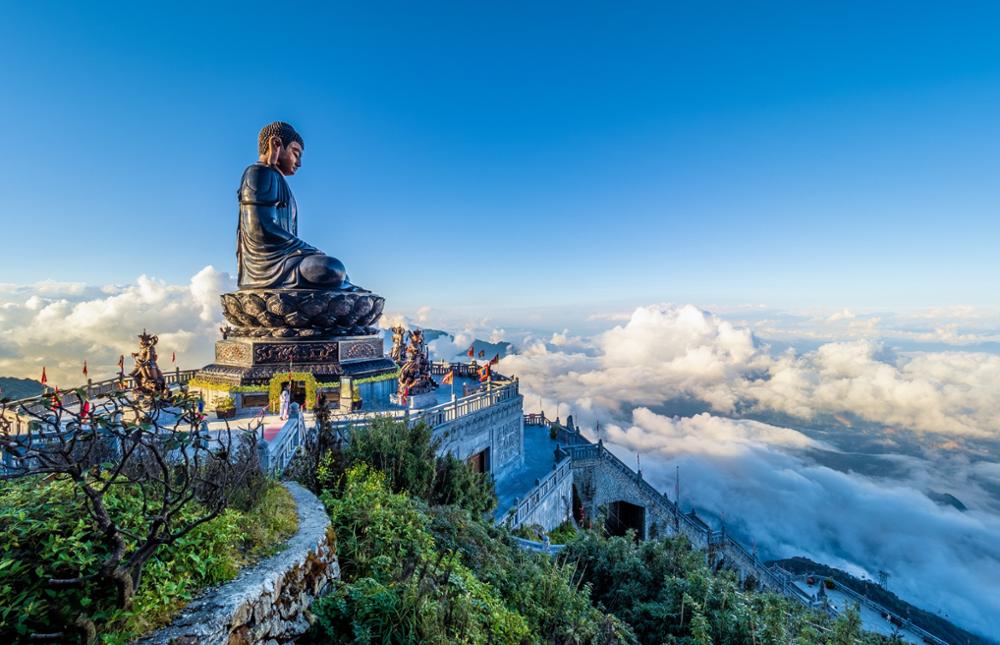
At an altitude of 3142 m, Fansipan Mountain is Vietnam's highest mountain. Nicknamed the "roof of Indochina," it is also the highest point in Indochina. On its slopes, you'll find various attractions including pagodas, monasteries, stupas, statues of Guanyin and Buddha... At the summit, you can enjoy breathtaking views of the rice terraces and surrounding mountains...
To climb Mount Fansipan, you can trek for 2 or 3 days depending on the routes you take. The starting point is from Tram Ton Pass station. For those less adventurous, you can reach Mount Fansipan's summit via a cable car from Hoang Lien station. The journey takes just 15 minutes.
Hiking Trails Around Sapa
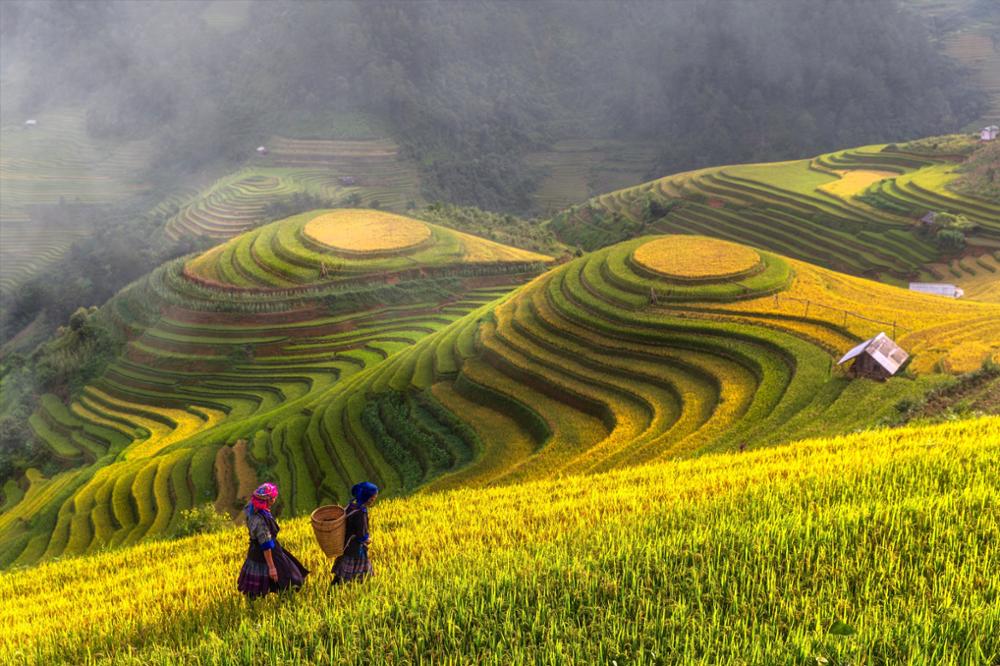
While you can discover Sapa's rice terraces by simply strolling through them, we recommend taking a several-day trek to combine multiple points of interest (ethnic villages, waterfalls...). It's also an opportunity to stay with a local family and learn more about the lifestyle of the different mountain ethnic groups.
To choose the trail, contact our agency to select an itinerary suited to your expected difficulty level and the amount of trekking time you can dedicate.
There are many advantages to trekking in Sapa with a local English-speaking guide: * You'll avoid getting lost in the rice terraces, * You'll discover remote areas and off-the-beaten-path zones, * You'll be able to more easily avoid tourist crowds, * You'll learn more about rice cultivation and other local agricultural techniques, * You can choose an itinerary tailored to your needs and desires, * You'll be able to learn about the rituals and customs of the ethnic groups so you can communicate more easily with local communities (who don't always speak English).
What to Pack for a Trek in Sapa
To hike through Sapa's rice terraces and ethnic villages, you'll need to be well-equipped beforehand. Here's a list of equipment to pack for your trek:
- Water and food (except for a few shops in the villages, you won't find much to satisfy your hunger during your trek),
- Good hiking boots,
- Sun protection: sunscreen, hat or cap, sunglasses...,
- Rain protection: rain jacket or lightweight rain cape, backpack cover...,
- Anti-mosquito products,
- Comfortable and lightweight clothing for summer trekking,
- A swimsuit,
- Warm clothing if you're trekking in winter (it can get very cold in the mountains during this period and host families don't always have heating),
- A toiletry kit with the bare essentials,
- A first aid kit,
- Plastic bags or trash bags to collect your waste,
- An external battery to charge your phone and camera,
- A local SIM card if you want internet access during your stay.
The Best Time to Visit Sapa
The Different Seasons
The Sapa region experiences a temperate climate. It's cool year-round with average temperatures ranging between 15°C and 18°C.
Four seasons are distinguished in Sapa:
- Summer (June to August): these are the warmest months of the year, but also the rainy season in the north of the country. In Sapa, rainfall is generally intense but short-lived.
- Autumn (September to November): temperatures are milder, days are sunny and nights are cool. The rainy season gradually subsides.
- Winter (December to February): this period corresponds to the dry season. Temperatures drop and it's even possible to see snow in the highlands of Sapa.
- Spring (March to May): during this season of renewal, temperatures gradually warm up and nature reasserts itself.
Due to its mountainous terrain and mountain climate, the Sapa region experiences relatively unpredictable weather. It's often shrouded in mist. For the best conditions, we recommend visiting in spring (March to May) and autumn (September to November). These are ideal seasons for mild temperatures and avoiding heavy rainfall. However, these aren't necessarily the best for admiring the rice terraces as we explain below...
The Best Time to See Sapa's Rice Terraces
There's no single best time to see Sapa's rice terraces. In fact, it depends on what you want to see. The rice terraces change color with the seasons. To help clarify, here are all the key moments in Sapa's rice cultivation:
Sapa's Rice Terraces in Spring (March to May)
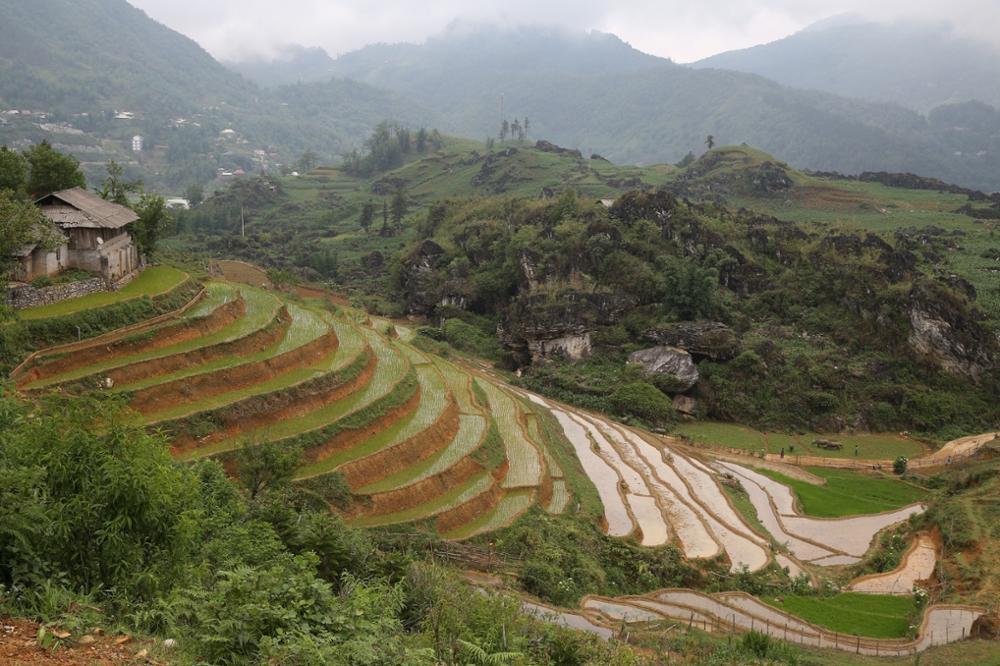
Late spring (May) marks the beginning of the rainy season and a new rice cultivation season. Farmers begin transplanting crops with the first rains. At this time, the rice terraces look like magnificent mirrors reflecting the sky, which delights photographers. Beyond the rice fields, it's nature as a whole that's in bloom with landscapes adorned with carpets of wildflowers...
Sapa's Rice Terraces in Summer (June to August)
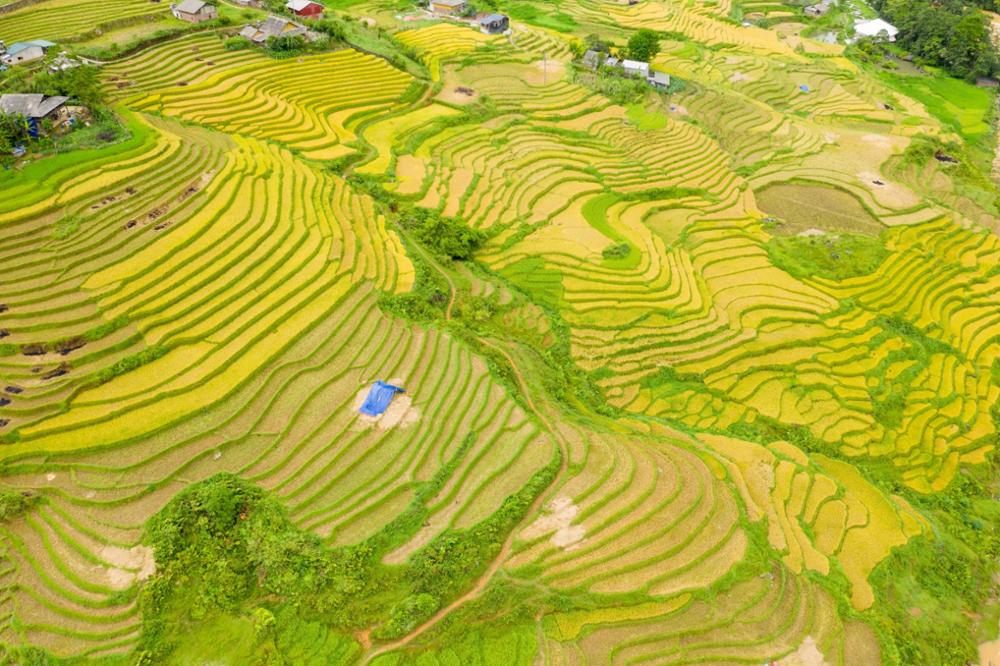
The summer period corresponds to the green season. With the rains, Sapa's terraced rice paddies are thriving. Result? You can observe vast carpets of varying shades of green. This is the ideal time if you want to see lush green rice terraces.
Sapa's Rice Terraces in Autumn (September to November)
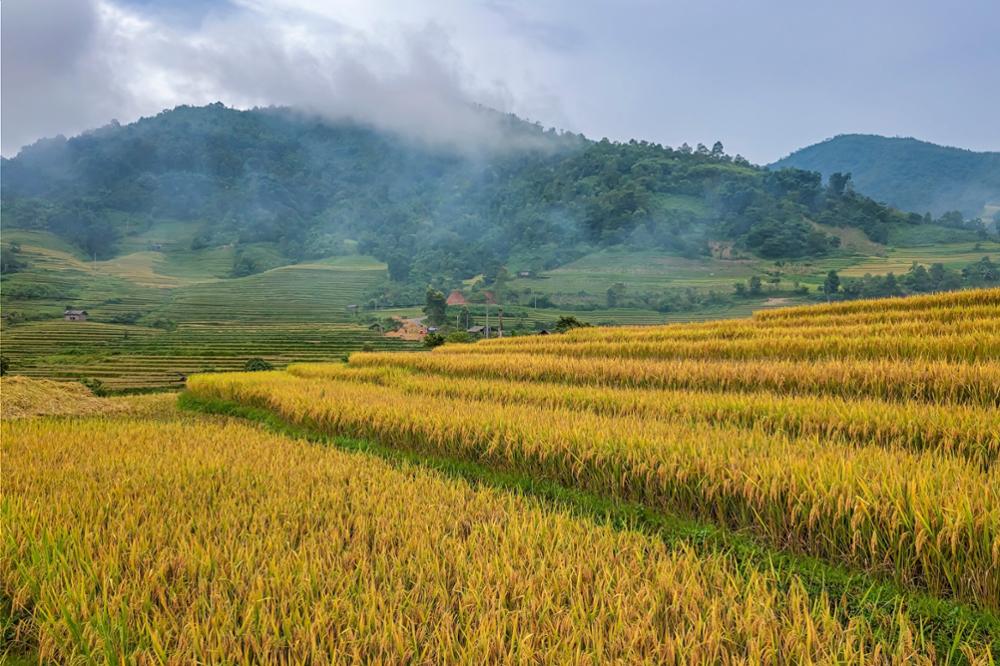
Late summer and early autumn are marked by the yellowing of the rice terraces. It's no longer a green carpet, but a golden one that will unfold before you. Mid-season (late September, early October) is the long-awaited harvest time. So it's the right moment if you want to see farmers at work, and why not lend a hand alongside them?
Sapa's Rice Terraces in Winter (December to February)
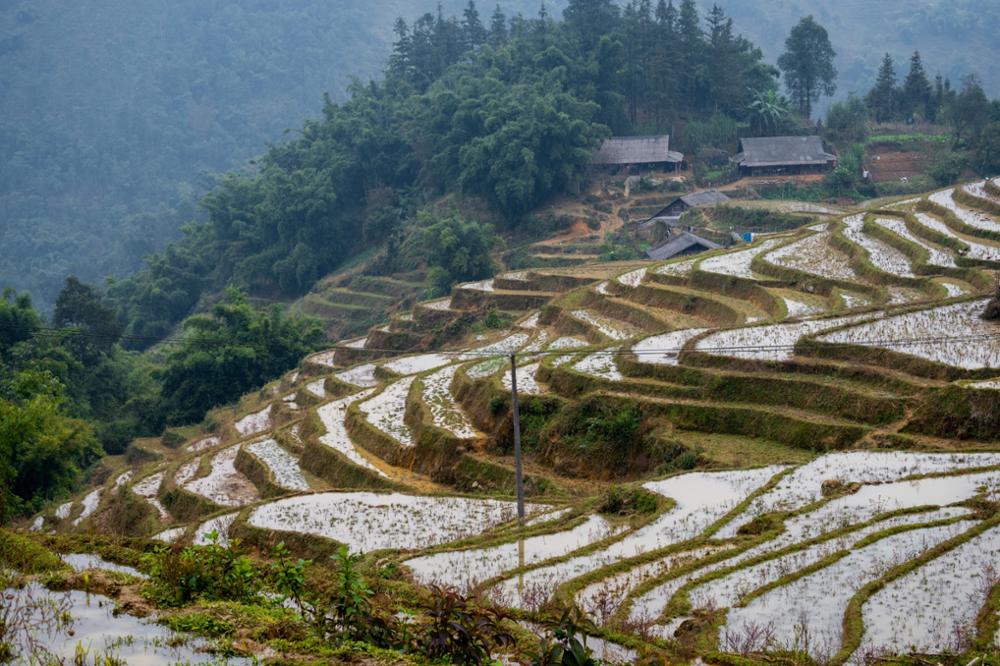
During winter, the rice paddies are fallow. In addition, they're empty! Additionally, mist is often present, especially in the morning. So this isn't the season to prioritize if you want to enjoy the beauty of the rice terraces. That said, winter does create a magical atmosphere in the Sapa region, particularly when it snows!
How Many Days to Spend in Sapa?
To make the most of the region's beauty, we recommend staying for at least 2 to 3 days minimum. This will allow you to take a one or multi-day trek and stay with a local family in one of the ethnic villages in the region.
How to Get to Sapa
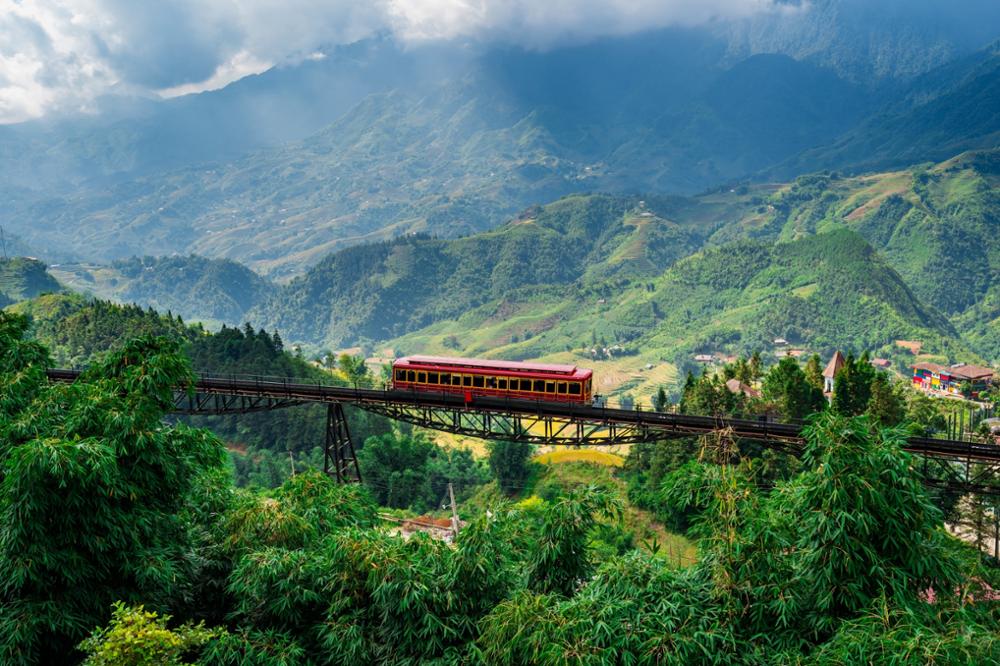
Most travelers reach Sapa from Hanoi. To do this, you have several options:
- By bus: Buses will take you to Sapa. You can opt for a night bus to save time and avoid paying for a hotel night. Expect 6 to 7 hours of driving.
- By train: Trains depart from Hanoi's main railway station and stop at Lao Cai. From there, you'll need to take a local bus, minivan, or taxi to reach the Sapa town center in 30 minutes. Total travel time is around 7 hours. Again, we recommend choosing a night journey to save time.
- By car: You can rent a car from Hanoi to Sapa. It will take 4 to 6 hours of driving depending on traffic. The journey is on a highway to Lao Cai before taking the winding mountain roads leading to Sapa.
Florine Dergelet