Encountering the Ethnic Groups of Northern Vietnam
Vietnam is home to more than fifty declared ethnic groups. In the mountainous regions of the north, they represent 30% of the population. Formed over centuries, these different ethnic groups have adopted distinct lifestyles and adapted to their geographical zones. Some live in the plains while others inhabit the highlands. In any case, the ethnic minorities of northern Vietnam each have their own language and culture, among the most renowned being…
Vietnam is home to more than fifty declared ethnic groups. In the mountainous regions of the north, they represent 30% of the population. Formed over centuries, these different ethnic groups have adopted distinct lifestyles and adapted to their geographical zones. Some live in the plains while others inhabit the highlands. In any case, the ethnic minorities of northern Vietnam each have their own language and culture, among the most renowned being the following…
Encountering the Tay
Originating from southern China, they are among the largest ethnic minorities found in Vietnam. The Tay found refuge in the northeast of the country over 2,000 years ago. They settle in the valleys at the foot of mountains and live primarily from rice cultivation, as well as fish farming, fruit growing, and the cultivation of tobacco, herbs, and spices. Their villages consist mainly of bamboo houses built on stilts. The Tay are distinguished by their brightly colored clothing and wear scarves tied according to tradition. They are renowned for their own writing system, called Nôm Tày, through which they have developed various literary customs such as tales, legends, poems, fables, and folk songs…
Encountering the Hmongs
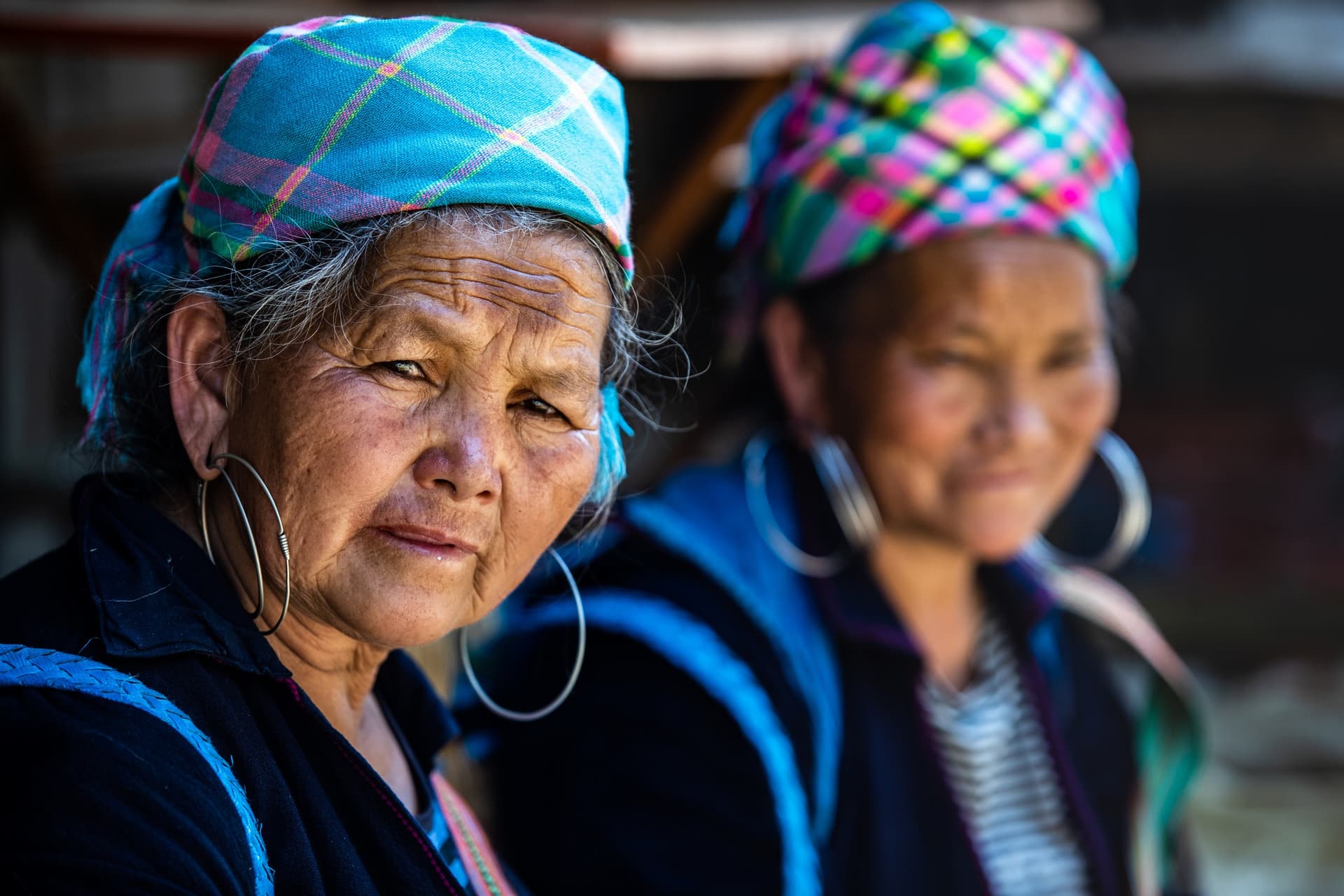
Historically known as Méos (or Miaos), the Hmongs are also among the most significant ethnic groups in Vietnam. Like the Tay, they come directly from China and are present in many Southeast Asian countries. They are divided into several sub-groups such as the White Hmongs, Black Hmongs, Leng Hmongs, and Pua Hmongs… Although they are found mainly at the far north of the country, they can also be encountered in the Sapa or Bac Ha regions. They are a people of farmers and high-altitude herders who long cultivated opium for the French during the colonization of Indochina. They are easily recognized by their highly sophisticated traditional costumes and their numerous silver jewelry.
Encountering the Dao
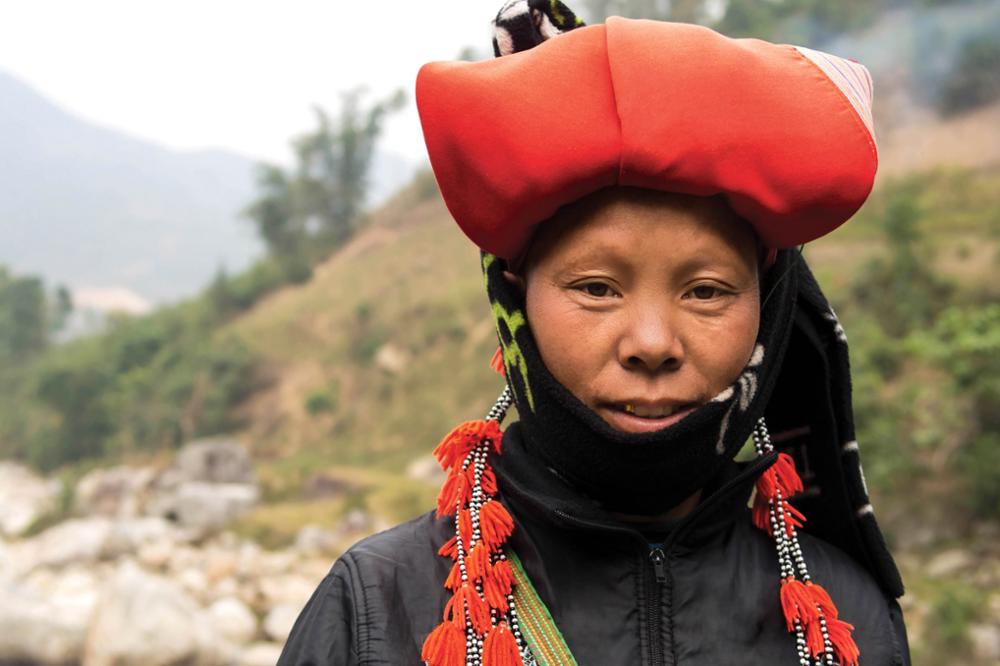
Another ethnic group originating from China and widely present in northern Vietnam: the Dao (known as Yao in China). Also found in Myanmar, Laos, and Thailand, this people is divided into several sub-groups: the Red Dao, the Tunic Dao, and the White Trousers Dao. They are recognized by their traditional clothing in dark colors and their headdress, which can vary from one sub-group to another. They are primarily farmers and herders, but they are also known for the creation of handcrafted objects and the cultivation of medicinal plants. Finally, the Dao are distinguished by their practice of honoring spirits and their ancestors.
Encountering the Muong
Grouped mainly in the Hoa Binh province, the Muong constitute an ethnic group with a patriarchal way of life. Indeed, Muong society is male-dominated. Each village is supervised by a hereditary noble family. While they are close to the Vietnamese, their culture is closer to that of the Thai. In the same way as the Tay, they are known for their cultural traditions such as folk singing, gong, drums, and epic tales… The Muong are also renowned for their sublime embroidery.
Florine Dergelet